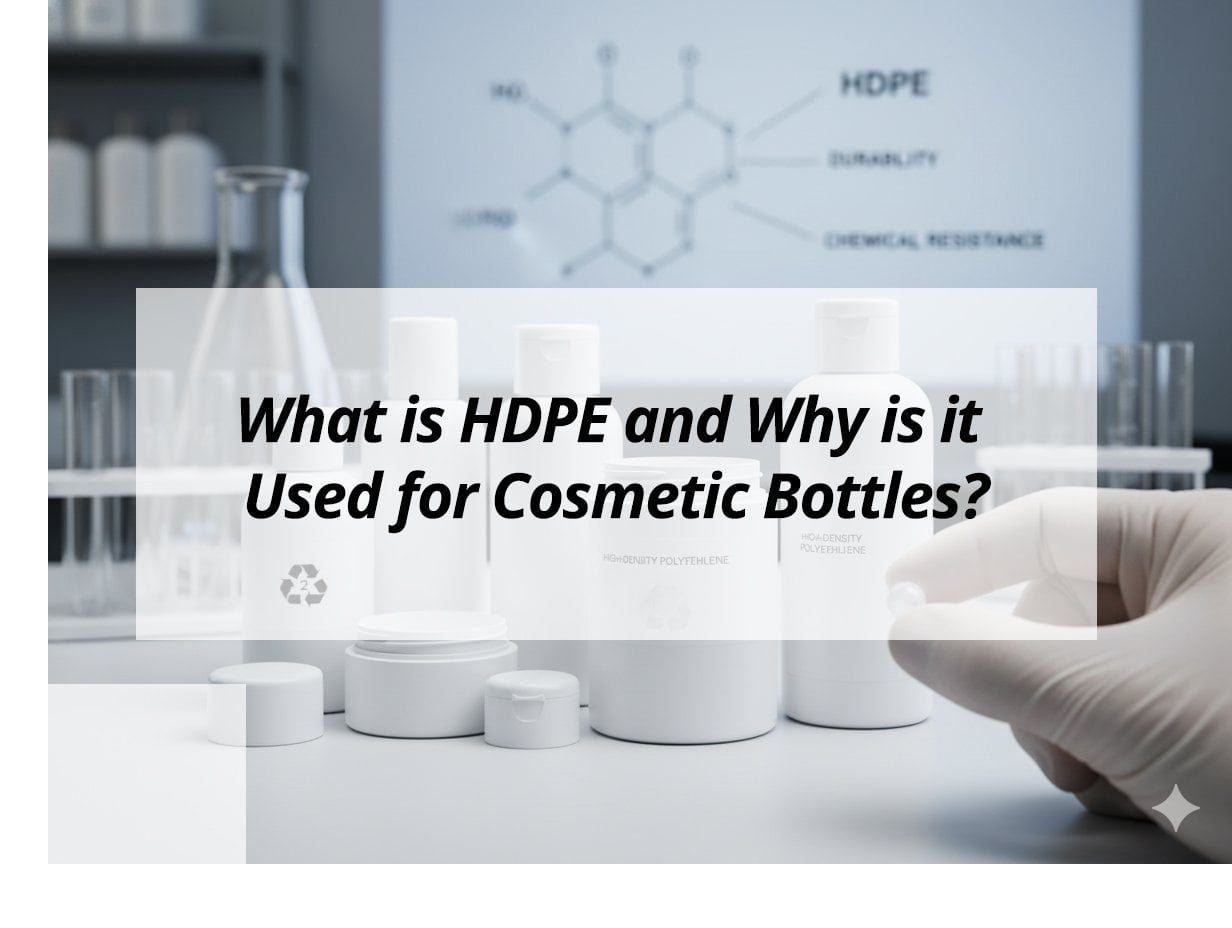
HDPE, or High-Density Polyethylene, is popular in cosmetic packaging today. Its benefits include durability and versatility, making it a top choice for brands.
HDPE is widely used in cosmetic bottles because it offers durability, chemical resistance, and eco-consciousness. This versatile material meets the needs of brands seeking cost-effective yet sustainable packaging, aligning with consumer demands for safety and environmental responsibility.
Transitioning from traditional materials to HDPE supports eco-conscious decisions while promising durability.
Why is HDPE used for bottles?
HDPE is a common choice in packaging due to its reliability and versatility. It's prevalent in various industries.
HDPE’s popularity in bottles is due to its high strength-to-density ratio1, chemical resistance2, and safety. It effectively protects the contents, ensuring a longer shelf life for cosmetics.
Understanding HDPE's Benefits
HDPE provides a robust barrier against moisture, which is crucial for maintaining cosmetic longevity. Its adaptability allows it to be molded into various shapes and sizes, offering flexibility in design.
-
Durability: HDPE bottles are known for their toughness. They don't easily crack or break, which is vital for transportation and storage.
-
Eco-Friendly: HDPE is recyclable, aligning with global eco-conscious trends. Brands can reduce their carbon footprint by opting for HDPE packaging.
| Benefits of HDPE | Explanation |
|---|---|
| High strength-to-density | Provides durability without excess weight |
| Chemical resistance | Protects contents from reacting with plastic |
| Recyclable | Supports environmental sustainability goals |
Is HDPE safe for cosmetics?
Consumers prioritize safety in packaging, especially for products applied to the skin.
Yes, HDPE is considered safe for cosmetic use. It’s non-toxic, BPA-free, and doesn't leach harmful chemicals, ensuring consumer health and safety with regular use.
Safety Aspects of HDPE
Safety is paramount in cosmetic packaging. HDPE's chemical stability ensures that it doesn't interact negatively with the product inside. This non-reactivity means that cosmetics retain their intended properties and effectiveness.
-
Non-Toxic Nature: HDPE doesn’t release harmful substances. This makes it safe for storing creams, lotions, and other skincare products.
-
BPA-Free Assurance: The absence of Bisphenol A (BPA) guarantees no endocrine disruptors, which is a substantial health concern with some plastics.
| Safety Aspects of HDPE | Benefits |
|---|---|
| Non-reactive | Maintains product integrity and quality |
| BPA-Free | No risk of hormone disruption |
What is the downside of HDPE?
While HDPE is favored for many benefits, it has limitations. Knowing these helps in making informed choices.
The downside of HDPE includes its limited biodegradability and potential for environmental impact3 if not recycled. Its rigidity can also limit design flexibility4 in certain applications.
Limitations of HDPE
Understanding these limitations aids in enhancing product life cycles and reducing waste. Emphasizing recycling can mitigate HDPE's environmental drawbacks.
-
Environmental Impact: Though recyclable, HDPE won’t decompose naturally like some other materials. This underscores the necessity for efficient recycling programs.
-
Design Constraints: HDPE’s rigidity can be a limitation for innovative or flexible packaging designs, requiring brands to explore hybrid packaging options.
| Downsides of HDPE | Concerns |
|---|---|
| Limited biodegradability | Requires robust recycling efforts |
| Design rigidity | Less adaptable for flexible packaging purposes |
Do HDPE bottles contain BPA?
BPA presence in plastic can deter informed consumers. It’s crucial to address these concerns clearly and honestly.
HDPE bottles are BPA-free. They provide a safe alternative to plastics that might contain BPA, ensuring no hormonal disruptions compare to other plastic options.
BPA and HDPE
HDPE’s construction ensures it’s free from BPA, offering a health-conscious packaging solution. This reassures consumers who are vigilant about chemical exposure.
-
Health Focus: Using BPA-free materials is crucial for consumer trust. HDPE’s assurance of no BPA aligns with health standards globally.
-
Consumer Confidence: Labels stating "BPA-free" can enhance brand trust and loyalty, as consumers prioritize safe packaging.
| HDPE and BPA | Implications |
|---|---|
| BPA-Free | Supports consumer health |
| Builds Trust | Strengthens brand reputation in safety-conscious markets |
My insights: Why HDPE is the Go-To Material for Cosmetic Bottles
Confused about the best material for cosmetic bottles? Learn why HDPE is preferred for durability, safety, and sustainability.
HDPE, or high-density polyethylene, is widely used for cosmetic bottles due to its strength, chemical resistance, and recyclability. It provides excellent protection for sensitive formulations and is cost-effective and lightweight, reducing shipping costs.
Exploring HDPE’s Advantages in Cosmetic Packaging
1. Key Properties:
- Chemical Resistance: HDPE withstands acids, alcohols, and essential oils, ensuring safe storage.
- Strength and Stability: Maintains shape and resists impacts during use.
2. Usage Benefits:
- Cost-Effectiveness: Economical manufacturing with FDA-approved safety ensures no leaching.
- Recyclability: Supports sustainability with widely accepted recycling and PCR options.
3. Common Applications:
| Use Case | Features | Benefits |
|---|---|---|
| Shampoos & Conditioners | UV and leak protection | Ensures product longevity and safety |
| Sunscreens & Body Washes | Matte finish suited for branding | Attractive packaging with functional design |
4. Versatility and Functionality:
- Versatile Shapes: Easily molded for diverse designs.
- Temperature Tolerance: Suitable across a wide range of temperatures.
HDPE continues to be favored for cosmetic packaging due to its protective qualities, economic advantages, and environmental benefits, making it the top choice for many beauty brands.
Conclusion
HDPE’s durability and safety make it ideal for cosmetic bottles. Its benefits align with global trends in sustainability and consumer safety.
-
Understanding this ratio helps in appreciating HDPE's durability and lightweight nature, crucial for packaging. ↩
-
Explore how HDPE's resistance to chemicals ensures product integrity and safety in cosmetics. ↩
-
Investigate the environmental concerns associated with HDPE and the importance of recycling. ↩
-
Explore the challenges and solutions in packaging design when using HDPE. ↩