In today's world, the beauty industry faces a challenge: how to align business with environmental responsibility?
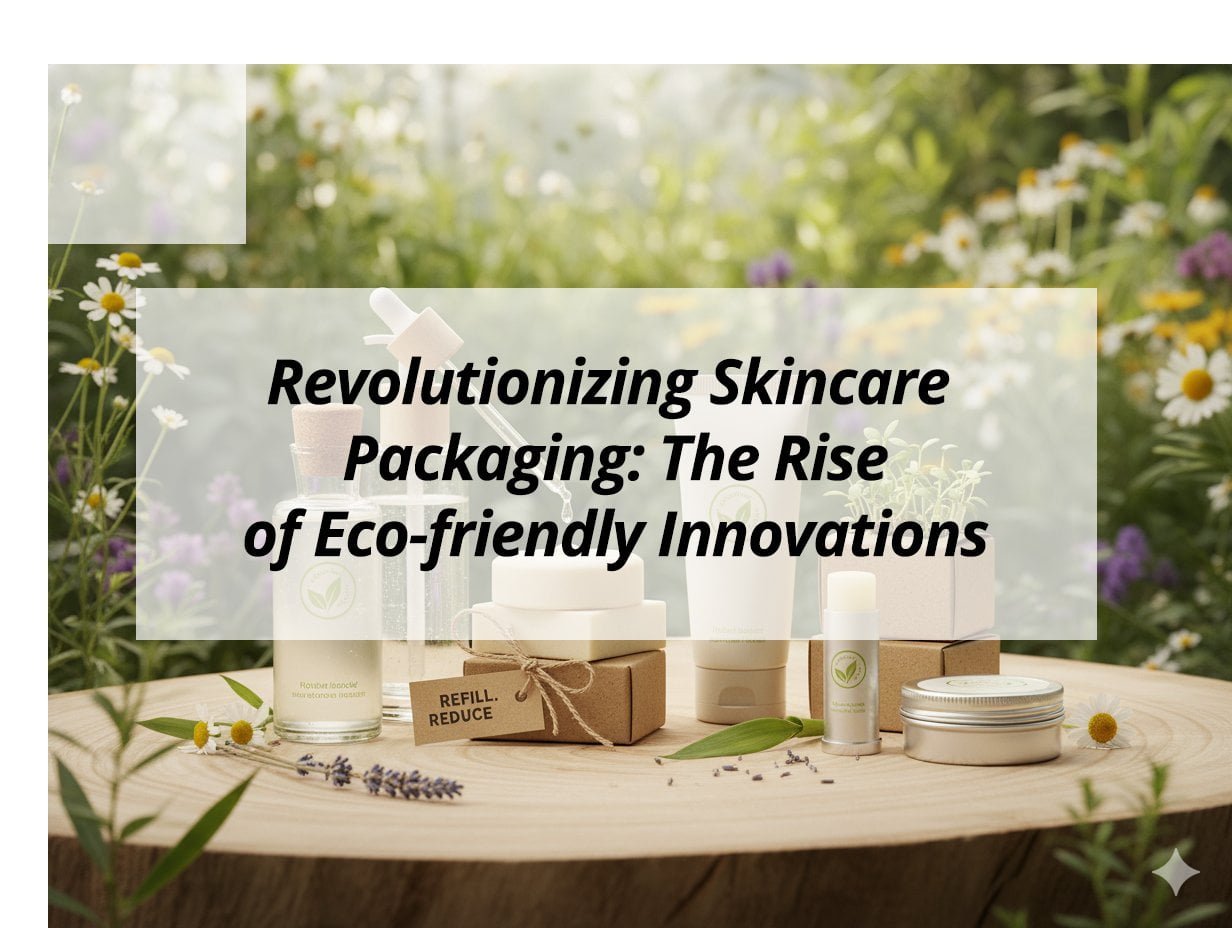
Eco-friendly packaging is revolutionizing skincare by merging sustainability with innovation. Brands are embracing greener solutions to reduce waste, maintain product quality, and satisfy consumer demands for responsible options. This shift supports both environmental goals and brand integrity in the evolving market landscape.
This shift towards sustainable packaging not only benefits the planet but also builds trust with conscious consumers eager for change.
Can we redesign packaging to be more environmentally friendly?
Consumers are eager for greener choices, now more than ever.
Yes, brands can redesign packaging to be eco-friendly by using sustainable materials1, improving recyclability, and minimizing waste. These strategies lower the environmental footprint, meeting consumer desires for more responsible options.
Rethinking packaging involves exploring innovative materials and designs. Companies shift from traditional plastics to biodegradable and recycled materials, tackling pollution.
Material Innovations
Biodegradable plastics and plant-based options like bagasse and bamboo offer viable alternatives. These reduce reliance on fossil fuels and decrease landfill deposits.
Design Efficiency
Streamlined packaging design minimizes material use without sacrificing quality. Innovative designs can reduce overall waste.
| Eco-friendly Redesign Focus | Benefits |
|---|---|
| Biodegradable materials | Less environmental impact |
| Optimized design | Reduced material usage |
What are the 7 R's of sustainable packaging?
Understanding sustainability principles can guide packaging decisions effectively.
The 7 R's of sustainable packaging2 include Rethink, Refuse, Reduce, Reuse, Recycle, Repair, and Rot. These principles encourage a circular lifecycle, reducing waste and environmental impact.
Each "R" plays a crucial role in building a sustainable future. Let's delve deeper:
Rethink and Refuse
These first steps involve questioning current practices and rejecting unsustainable options. By choosing alternatives, we begin the path toward greener solutions.
Reduce and Reuse
Minimizing usage and finding ways to repurpose packaging extends its life. This approach cuts down on the need for new resources.
| 7 R's Focus | Explanation |
|---|---|
| Rethink & Refuse | Challenge current methods and reject waste |
| Reduce & Reuse | Lessen resource use and extend life cycle |
Recycle, Repair, and Rot
Recycling involves repurposing materials, while repair extends usability. Rot relates to organic recycling, turning waste into compost.
What are the 5 R's for the creation of sustainable packaging?
Streamlined strategies can simplify sustainable practices.
The 5 R's for creating sustainable packaging focus on Refuse, Reduce, Reuse, Recycle, and Rot. These steps encourage a low-impact, circular packaging system, fostering environmental responsibility.
By applying these principles, brands can create impactful packaging strategies:
Apply the 5 R’s
Refuse non-essential packaging to save resources. Recycle used materials into new items to conserve.
Innovate with Less
Design packaging that uses fewer materials. Opt for biodegradable solutions.
| 5 R's Focus | Benefits |
|---|---|
| Refuse & Reuse | Resource conservation and savings |
| Recycle & Rot | Sustainable lifecycle management |
What packaging trend is gaining popularity due to its environmental benefits?
Aligning with trends can both enhance brand image and contribute to sustainability.
Recyclable packaging is gaining popularity due to its substantial environmental benefits, reducing landfill waste while offering consumers responsible choices. Brands adopting this trend gain favor with eco-conscious audiences.
This surge in popularity is driven by growing consumer awareness and demand for eco-efficient options. Here’s how:
Consumer Awareness
Consumers increasingly prioritize environment-friendly brands. Packaging becomes a key differentiator in purchasing decisions.
Brand Strategy
Incorporating recyclable options offers brands a competitive edge, building reputation and trust.
| Trend Focus | Implications |
|---|---|
| Consumer demand | Drives innovation and compliance |
| Brand advantage | Enhances market positioning |
My insights: Revolutionizing Skincare Packaging with Eco-Friendly Innovations
Tired of wasteful skincare packaging? Discover how eco-friendly innovations are transforming the beauty industry.
Eco-friendly skincare packaging is on the rise, featuring refillable systems, biodegradable materials3, and post-consumer recycled options. These innovations reduce waste, enhance sustainability, and attract eco-conscious consumers, positioning brands favorably in a competitive market.
Exploring Sustainable Innovations in Skincare Packaging
1. Refillable and Biodegradable Solutions:
- Refillable Systems: Brands like Kiehl’s and Fenty Skin save up to 80% in waste by offering pods and stations.
- Biodegradable Materials: Seaweed and mycelium-based biopolymers decompose naturally, reducing environmental impact.
2. Material Choices:
- Post-Consumer Recycled Materials: PCR plastics, bamboo, glass, and aluminum provide durable, eco-friendly alternatives.
- Minimalist Designs: Reduces material use and simplifies recycling processes.
3. Technological and Smart Packaging:
| Innovation | Features | Benefits |
|---|---|---|
| AI-Optimized Production | Minimizes excess packaging | Reduces waste and enhances efficiency |
| Smart Packaging | Tracks usage and waste | Promotes conscious consumption |
4. Leading Brands and Practices:
- L’Oréal: Compostable paper bottles and refillables.
- L’Occitane and Aveda: Pouches and in-store refill stations for creams.
These packaging innovations not only cater to consumer demand for greener options but also align with global regulations against single-use plastics, marking a significant shift in the skincare industry.
Conclusion
Eco-friendly packaging practices are reshaping the skincare industry, benefiting both the planet and brand integrity. Embracing sustainable solutions meets consumer demands, fostering a responsible future.