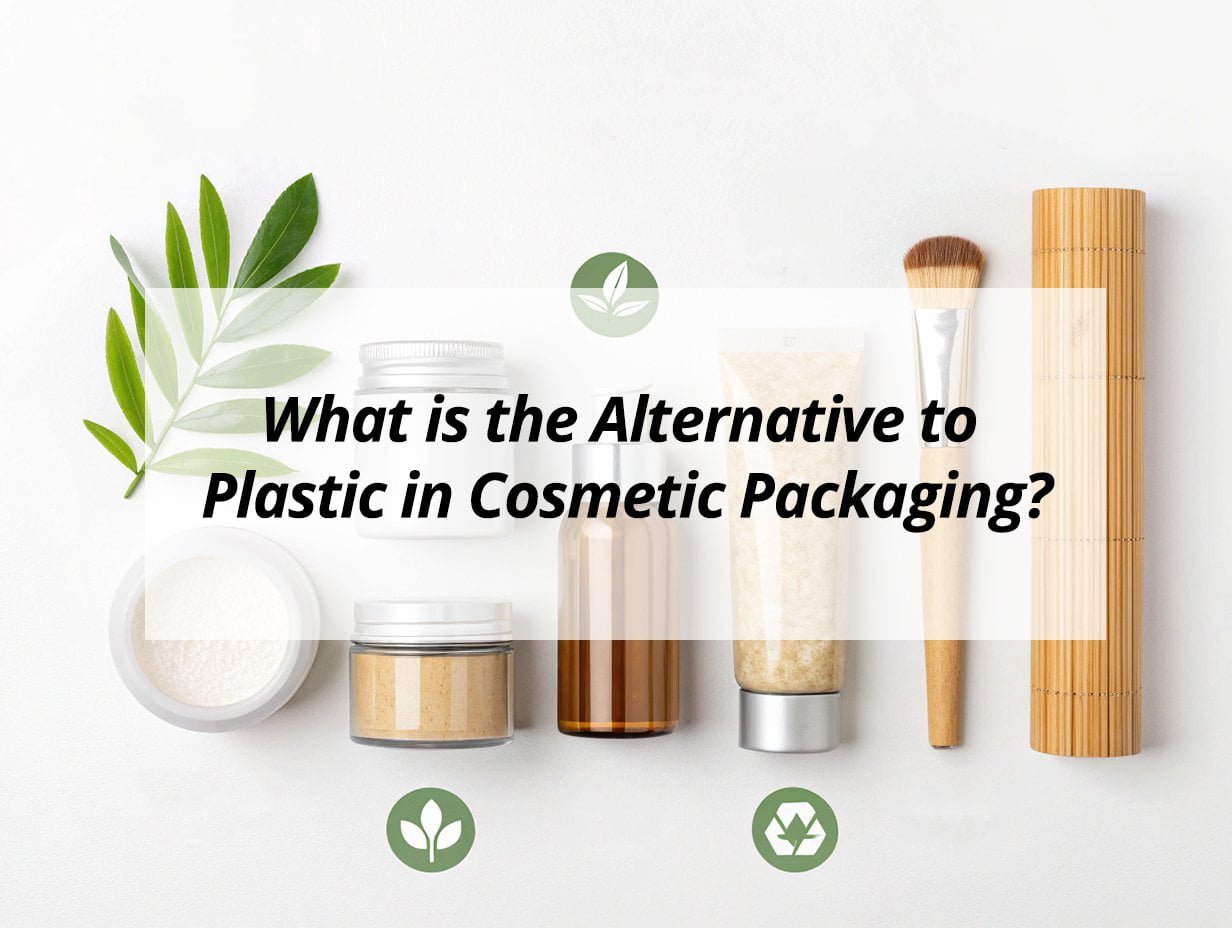
Plastic has long dominated the cosmetic packaging industry, yet its environmental impact demands scrutiny. Is there a sustainable path forward?
Glass, metal, and biodegradable materials serve as viable alternatives to plastic in cosmetic packaging. Each provides distinct advantages, such as enhanced durability and sustainability, aligning with eco-friendly initiatives. These options help reduce environmental impact while maintaining product quality, supporting a greener future for the cosmetics industry.
As demand for sustainability rises, innovative materials gain traction. Let's delve into what makes these alternatives compelling and practical for modern cosmetic packaging.
What can we use instead of plastic for packaging?
Plastic has been the go-to, but its consequences are evident. There's a call for more sustainable, earth-friendly options.
Alternatives like glass, metal, and biodegradable substances are leading the charge in replacing plastic in packaging. These materials provide durability, aesthetic appeal, and reduced environmental impact1, aligning with sustainability goals2.
Choosing replacements requires understanding each material's unique benefits. As we transition, let's explore these alternatives that promise a cleaner future for cosmetic packaging3.
A Closer Look at Glass, Metal, and Biodegradable Options
The search for alternatives involves evaluating properties that match or surpass those of plastic. Each option offers distinct advantages:
Glass
Glass offers a premium look and excels in product preservation. It doesn't leach chemicals, enhancing the integrity of cosmetics stored within.
- Advantages: Elegance, non-reactivity, infinite recyclability.
- Challenges: Heavier, higher shipping costs.
Metal
Aluminum and tin are common in cosmetic packaging. They are not only stylish but also protect against oxygen and light.
- Advantages: Lightweight, durable, highly recyclable.
- Challenges: May corrode, costlier than plastics.
Biodegradable Materials
Derived from natural sources like corn starch or sugarcane, these materials decompose more easily.
- Advantages: Reduced pollution, sustainable sourcing.
- Challenges: Limited availability, higher cost.
By exploring these materials, brands can decide which aligns best with their values and operational needs.
What's the most environmentally friendly packaging?
Packaging must balance functionality with environmental responsibility. But what choices achieve this?
Biodegradable and compostable materials, paired with reusable options, top the list as eco-friendly choices. They help reduce waste, minimize carbon footprint, and align with consumer demand4 for sustainability.
Understanding the full lifecycle impact of these materials reveals their potential to revolutionize the cosmetic industry.
Evaluating Environmental Impacts
Determining the best packaging involves assessing its entire lifecycle, from production to disposal.
Biodegradable and Compostable
These materials break down naturally, turning into non-toxic substances.
- Lifecycle Impact: Reduced landfill contribution, faster decomposition.
- Consumer Appeal: Eco-conscious, aligned with green policies.
Reusables
Packaging designed for multiple uses reduces waste and encourages sustainability.
- Lifecycle Impact: Long-term use offsetting production emissions.
- Consumer Appeal: Practical, promotes eco-friendly behavior.
Comparative Insights
| Material Type | Decomposition Time | Consumer Appeal | Lifecycle Impact |
|---|---|---|---|
| Biodegradable | Months | High | Positive |
| Compostable | Few weeks | High | Positive |
| Reusables | Indefinite | Moderate | Highly Positive |
Through these insights, brands can better craft their sustainability narratives and appeal to ecological preferences.
What is cosmetic packaging made of?
Understanding materials goes beyond aesthetics. It's about quality, safety, and sustainability.
Cosmetic packaging may utilize glass, plastic, metal, and increasingly, eco-friendly alternatives such as bamboo or recycled materials. Each type offers distinct benefits suited to different products and consumer expectations.
Modern packaging strategies5 require a balance of form and function. Here's how each material contributes to this equilibrium.
Material Composition and Benefits
Selecting the right packaging requires evaluating its fit for both brand identity and user experience.
Glass
Used for perfumes and luxury items, thanks to its high-end feel and excellent preservation.
- Strengths: Chemically inert, reusable.
- Drawbacks: Fragility, bulk.
Plastics
Even with environmental concerns, its versatility keeps it relevant, especially for mass-market products.
- Strengths: Lightweight, cost-effective.
- Drawbacks: Environmental challenges.
Sustainable Alternatives
These include bamboo or PCR (Post-Consumer Recycled) materials, offering a sustainable edge.
- Strengths: Environmentally friendly, brand differentiation.
- Drawbacks: Cost, availability.
Metal
Offers strength and resistance, often used in higher-end lines.
- Strengths: Durable, shields contents from damage.
- Drawbacks: Potential for rust, weight.
Assessing these components helps brands offer products that satisfy both functional requirements and sustainability goals.
What is an eco-friendly alternative to plastic bags?
Plastic bags have become a symbol of waste. So, what replaces them effectively?
Reusable, paper, and biodegradable bags emerge as the top eco-friendly alternatives to plastic bags. These options offer reduced environmental burdens and cater to green consumer preferences.
Transitioning to these alternatives presents opportunities to align with a more sustainable path forward while maintaining functionality.
Assessing Bag Alternatives
Switching to eco-friendly bags involves understanding their strengths and limitations across various uses.
Reusable Bags
Designed for durability and multiple uses, these cut down on waste.
- Advantages: Long lifespan, strong, customizable.
- Suitable For: Retail, groceries.
Paper Bags
Easily recyclable and biodegradable, an easy switch from plastic.
- Advantages: Safe, biodegradable.
- Suitable For: Short-term use, lightweight items.
Biodegradable Bags
Made from plant-based materials, these bags naturally decompose.
- Advantages: Decompose naturally, reduced environmental impact.
- Suitable For: Temporary use, single-use solutions.
Insights
| Bag Type | Best Use Case | Decomposition | Environmental Impact |
|---|---|---|---|
| Reusable | Long-term | Indefinite | Very Low |
| Paper | Lightweight | Weeks | Moderate |
| Biodegradable | Single-use | Months | Low |
Choosing the appropriate alternative ensures brands maintain ethical practices while delivering consumer value.
My insights: Eco-Friendly Alternatives to Plastic in Cosmetic Packaging
Concerned about plastic waste in cosmetics? Discover sustainable materials that can replace plastic while maintaining quality and appeal.
Alternatives to plastic in cosmetic packaging include glass, bamboo, metal, and biodegradable materials like starch-based plastics. These options offer eco-friendly, renewable, and recyclable solutions, reducing environmental impact and meeting consumer demand for sustainability.
Exploring alternatives to plastic in cosmetic packaging offers a path to sustainability:
Bamboo:
A renewable and biodegradable material, bamboo is perfect for outer packaging and cases. Its natural look and rapid growth without the need for pesticides make it eco-friendly.
Glass:
Highly recyclable and reusable, glass provides a premium feel and extends product shelf life, suitable for jars and bottles.
Biodegradable Options:
Cornstarch plastics and mushroom-based materials offer compostable solutions. Cornstarch (PLA) is useful for bottles and jars, while mushroom-based materials are emerging as innovative alternatives.
Metal and Paper:
Aluminum and stainless steel are durable and recyclable choices. Paperboard, derived from recycled fibers, is ideal for secondary packaging.
| Material Type | Characteristics | Uses |
|---|---|---|
| Bamboo | Renewable, biodegradable | Outer packaging, cases |
| Glass | Recyclable, premium feel | Jars, bottles |
| Cornstarch and Mushroom | Biodegradable, compostable | Bottles, cushioning |
| Metal (Aluminum, Steel) | Durable, recyclable | Lipsticks, powders |
| Paperboard | Recyclable, compostable | Secondary packaging |
Embracing these alternatives reduces plastic waste, supports environmental efforts, and aligns with consumer preferences for sustainable products.
Conclusion
Exploring alternatives to plastic in cosmetic packaging leads to responsible choices for brands and consumers, supporting a sustainable future that balances functionality and environmental needs.
-
Understand the lifecycle impact of different packaging materials on the environment. ↩
-
Learn how brands can meet sustainability goals through innovative packaging solutions. ↩
-
Explore the latest trends in sustainable cosmetic packaging and consumer preferences. ↩
-
Understand how consumer preferences are driving the shift towards sustainable packaging. ↩
-
Discover strategies that brands can implement to enhance sustainability in packaging. ↩