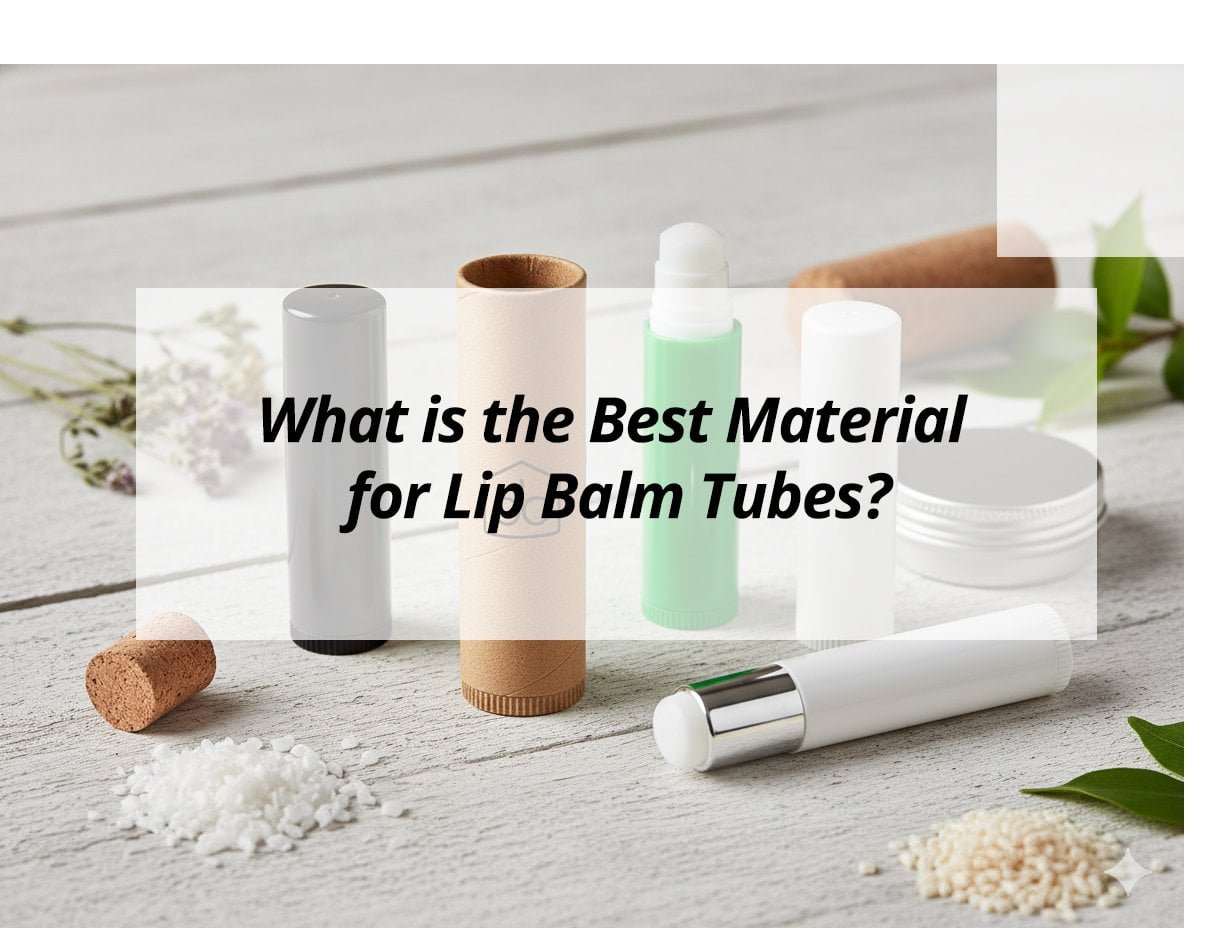
Lip balm tubes are not just containers; they represent sustainability and brand image. What is the best material to embody both?
The best material for lip balm tubes typically includes sustainable options like recycled plastic, aluminum, or cardboard. These materials provide durability while minimizing environmental impact, aligning with eco-friendly and ethical practices.
Choosing the appropriate material can boost both product integrity and environmental responsibility. Let's dive deeper into the options and implications.
What are lip balm tubes made of?
Lip balm tubes come in diverse materials. Which ones are truly sustainable and functional?
Lip balm tubes are crafted from plastic, aluminum, or eco-friendly materials like cardboard. Each material influences the product's sustainable footprint and effectiveness. Cardboard lip balm tubes are notably eco-friendly, offering biodegradability and customization possibilities.
Exploring these materials will enhance informed decision-making for manufacturers and consumers.
Material Breakdown
Plastics
- Advantages: Durable and cost-effective but not always sustainable.
- Concerns: Often non-biodegradable, creating long-term environmental impact1.
Aluminum
- Strengths: Highly recyclable and offers a premium appearance.
- Drawbacks: Higher costs and energy-intensive production.
Cardboard
- Features: Biodegradable, customizable, ideal for eco-conscious brands2.
- Benefits: Enhances brand image by aligning with sustainability goals.
Material Comparison Table
| Material | Eco-Friendly | Cost | Durability | Customization |
|---|---|---|---|---|
| Plastic | Low | Low | High | Moderate |
| Aluminum | High | High | High | Low |
| Cardboard | High | Moderate | Medium | High |
Small Insight
Opting for eco-friendly lip balm tubes increases brand value, targeting customers who prioritize sustainable practices alongside product quality.
What is the #1 dermatologist recommended lip balm?
Does packaging play a role in dermatologist recommendations?
Dermatologists recommend lip balms with SPF protection and natural moisturizers like shea butter. Packaging with eco-friendly attributes supports broader brand values, appealing to ethically minded consumers who value both product efficacy and environmental responsibility.
Pairing effective formulas with sustainable packaging strengthens consumer trust and brand credibility.
Skin-loving Formulation
Essential Ingredients
- SPF: Provides protection against UV radiation, essential for lip care.
- Natural Moisturizers: Ingredients such as shea butter and beeswax enhance hydration.
Packaging Insights
- Eco-Friendly Enhancements: Support sustainability without sacrificing quality.
- Visual Appeal: Custom designs increase marketability and consumer interest.
Strategy Table
| Product Feature | Benefit | Consumer Appeal |
|---|---|---|
| SPF Protection | UV safety | Skin health |
| Natural Moisturizers | Hydration boost | Comfort |
| Eco Packaging | Sustainability | Ethical branding |
Choice Rationale
Eco-friendly lip balm tubes wholesale options can advance your brand’s commitment to sustainability, aligning product excellence with responsible practices.
What are lip gloss applicators made of?
Every component counts. How do lip gloss applicators impact sustainability?
Lip gloss applicators often feature plastic or foam tips. Emerging eco-friendly alternatives such as bamboo or recycled materials can complement sustainable lip balm tube choices, leading to a holistic eco-conscious product offering.
Innovations in applicator materials reflect broader trends toward environmentally responsible beauty products.
Applicator Insights
Material Types
- Foam and Plastic: Standard options providing ease of use and versatility.
- Eco-Friendly Alternatives: Bamboo or recycled components enhance sustainability.
Environmental Impact
- Standard Materials: Common but contribute to plastic waste.
- Sustainable Options: Reduce ecological footprint while maintaining functionality.
Fabrication Analysis
| Applicator Type | Eco-Conscious | Durability | Visual Appeal | Market Trend |
|---|---|---|---|---|
| Foam/Plastic | Low | High | Moderate | High |
| Bamboo | High | Medium | High | Growing |
| Recycled Material | High | Medium | Moderate | Emerging |
Customer Engagement
Adopting sustainable applicator materials reinforces a brand’s ecological commitment, demonstrating responsibility beyond primary packaging choices.
How to clean and reuse lip balm tubes?
Revitalizing lip balm tubes can minimize waste and extend product life. Are you familiar with the process?
Lip balm tubes can be effectively cleaned using warm, soapy water, dried thoroughly, and refilled with homemade or commercial products. This practice not only decreases waste but also aligns with eco-friendly principles, contributing to a sustainable beauty routine.
Embracing reuse practices strengthens both ecological initiatives and consumer satisfaction.
Reuse Guide
Cleaning Procedures
- Empty Tube: Clear all residual product before cleaning.
- Washing Technique: Immerse in hot, soapy water to ensure cleanliness.
- Drying Protocol: Use air drying to eliminate moisture entirely.
Refill Options
- DIY Blends: Experiment with personal homemade formulations.
- Commercial Refills: Utilize special refill kits available on the market.
Sustainability Enhancement
| Step | Importance | Consumer Impact |
|---|---|---|
| Thorough Emptying | Avoids contamination | Product safety |
| Proper Washing | Ensures cleanliness | Product integrity |
| Complete Drying | Prevents mold growth | Enhances durability |
Environmental Impact
Implementing reuse strategies for lip balm tubes aligns practical consumer habits with comprehensive eco-friendly campaigns, maximizing sustainability without compromising convenience.
My insights: Evaluating the Best Material for Lip Balm Tubes
Struggling to choose the right material for lip balm tubes? Discover the options that balance durability, sustainability, and cost.
Polypropylene (PP) is the best material for lip balm tubes due to its durability, chemical resistance, and cost-effectiveness. Eco-friendly alternatives like paperboard offer sustainability, appealing to natural brands, while aluminum provides a premium, recyclable option with superior barrier properties.
Choosing the Optimal Material for Lip Balm Tubes
Common Materials:
-
Polypropylene (PP) and HDPE Plastics:
- Benefits: Highly durable, resistant to chemicals, cost-effective.
- Applications: Ideal for twist-up designs and mass production.
-
Aluminum Tins:
- Benefits: Premium feel, excellent barrier against light and oxygen.
- Challenges: Prone to denting during shipping.
Sustainable Alternatives:
- Paperboard/Kraft Cardboard Tubes:
- Benefits: Biodegradable, recyclable, and eco-friendly.
- Protection: Lined with food-grade wax or PP film to prevent sticking and moisture degradation.
Key Considerations:
- Material Goals: Prioritize PP for affordability and strength, or paperboard for environmental appeal.
- Durability Needs: Ensure paper tubes can withstand moisture and pressure to avoid softening.
Quick Reference Table:
| Material Type | Benefits and Challenges |
|---|---|
| Polypropylene (PP) | Durable, chemical resistant, cost-effective |
| Aluminum | Premium, recyclable, superior barrier properties |
| Paperboard/Cardboard | Eco-friendly, biodegradable, requires moisture protection3 |
Selecting the right material for lip balm tubes depends on balancing durability, sustainability, and consumer preferences, ensuring both product integrity4 and brand values are maintained.
Conclusion
Choosing sustainable materials for lip balm tubes ensures product quality while supporting environmental conservation. It’s a step toward responsible beauty that resonates with today’s consumers.
-
Explore the environmental implications of different lip balm packaging materials. ↩
-
Discover what makes a brand eco-conscious and how it affects consumer choices. ↩
-
Understanding moisture protection is key to ensuring product integrity. ↩
-
Understanding product integrity ensures quality and consumer satisfaction. ↩