Brands seeking sustainable packaging face many choices. Ocean plastic and standard Post-Consumer Recycled (PCR) plastic are two options. Understanding their differences is key.
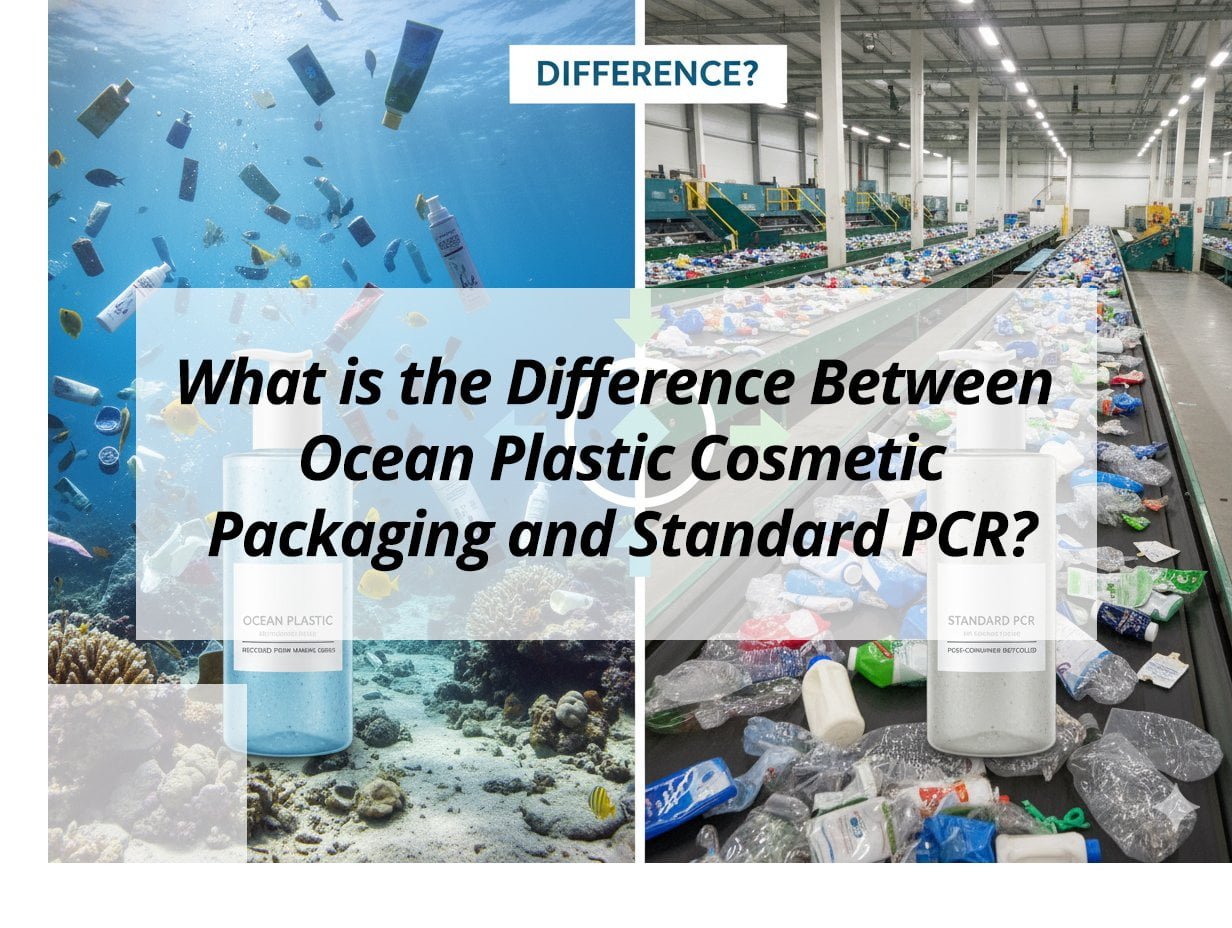
Ocean plastic cosmetic packaging specifically uses plastic collected from oceans and coastlines. Standard PCR plastic comes from various post-consumer waste streams, like bottles and containers from household recycling. Both aim to reduce virgin plastic use. Ocean plastic offers an added benefit of cleaning marine environments.
This article explores the nuances between ocean plastic and standard PCR in cosmetic packaging. We will look at their sources, benefits, and challenges.
What is PCR in Plastic Packaging?
PCR, or Post-Consumer Recycled, plastic is a cornerstone of sustainable packaging1. It plays a vital role in reducing environmental impact. Understanding what it is helps in making greener choices.
PCR in plastic packaging refers to materials made from plastic waste that consumers have used and discarded. This waste is collected, sorted, cleaned, and reprocessed into new plastic resins. Using PCR plastic reduces the demand for new, virgin plastic. It also diverts waste from landfills and oceans, supporting a circular economy.
I often explain PCR to clients. They want sustainable options. I tell them how it helps the environment. Using PCR means less new plastic is made. This is a big step for green packaging.
How is PCR Plastic Made?
The process of creating PCR plastic involves several steps.
- Collection: Plastic waste (like bottles, jugs, containers) is collected from households and commercial sites.
- Sorting: The collected plastic is sorted by type (e.g., PET, HDPE, PP). This is important because different plastics cannot be mixed.
- Cleaning: The sorted plastic is washed to remove labels, food residue, and other contaminants.
- Grinding/Flaking: The clean plastic is then ground into flakes.
- Pelletizing: These flakes are melted and formed into small pellets. These pellets are the new raw material for manufacturing.
- Manufacturing: The PCR pellets are used by packaging manufacturers to create new plastic containers.
What are the Benefits of Using PCR Plastic?
Using PCR plastic offers significant environmental advantages.
| Benefit Type | Description | Environmental Impact |
|---|---|---|
| Waste Diversion | Prevents plastic waste from ending up in landfills or polluting nature. | Reduces landfill burden, less ocean pollution. |
| Resource Conservation | Lessens the need for virgin fossil fuels to produce new plastics. | Saves finite natural resources, reduces reliance on oil. |
| Energy Savings | Manufacturing with PCR generally uses less energy than with virgin plastic. | Lowers greenhouse gas emissions, smaller carbon footprint. |
| Reduced Pollution | Less new plastic production means less air and water pollution. | Cleaner air and water quality. |
What are the Challenges of Using PCR Plastic?
Despite its benefits, PCR plastic faces certain hurdles.
- Quality and Consistency: PCR can sometimes have variable quality or color compared to virgin plastic.
- Availability: The supply of high-quality PCR can fluctuate, depending on collection and recycling rates.
- Cost: Sometimes, PCR plastic can be more expensive than virgin plastic, due to collection and processing costs.
- Purity: It can be hard to guarantee 100% purity, especially for food-grade or sensitive cosmetic applications.
Despite challenges, PCR plastic remains a powerful tool for sustainability in packaging. It is a key step towards a circular economy.
What is PCR Cosmetic Packaging?
PCR cosmetic packaging2 is packaging specifically designed for beauty products that uses Post-Consumer Recycled (PCR) plastic. This means the plastic in the container once held something else, like a water bottle or a detergent jug, before being recycled and remade.
PCR cosmetic packaging integrates recycled plastic into new tubes, jars, and bottles for beauty products. This significantly reduces the environmental footprint of cosmetic packaging by decreasing virgin plastic demand and diverting waste from landfills. It allows brands to offer more sustainable product lines to eco-conscious consumers.
We offer many PCR options for cosmetic packaging. Clients want to show their commitment to sustainability. Using PCR helps them do this. It is a practical way to be greener.
What are Common Applications of PCR in Cosmetics?
PCR plastic is used in a wide range of cosmetic packaging.
- Bottles: Often used for lotions, cleansers, toners, and shampoos. PCR HDPE (High-Density Polyethylene) and PCR PET (Polyethylene Terephthalate) are common.
- Jars: Popular for creams, masks, and balms. PCR PP (Polypropylene) and PCR PET are frequently used.
- Tubes: For foundations, hand creams, or body lotions. PCR PE (Polyethylene) is a common choice.
- Caps and Closures: Many brands also use PCR for the caps and pumps of their containers.
What are the Specific Benefits for Cosmetic Brands?
Using PCR in cosmetic packaging offers targeted advantages.
- Enhanced Brand Image: It clearly signals a brand's commitment to sustainability. This resonates with environmentally aware consumers.
- Meeting Consumer Demand: A growing number of consumers actively seek out products with sustainable packaging. PCR meets this demand.
- Regulatory Compliance: Some regions are implementing regulations that require a certain percentage of recycled content in packaging. Using PCR helps meet these rules.
- Differentiation: Brands using PCR can stand out from competitors who still rely solely on virgin plastics.
What are the Considerations for PCR Cosmetic Packaging?
Brands must consider a few points when using PCR.
- Aesthetic Variations: PCR plastic might have slight color variations or a less "perfect" finish compared to virgin plastic. Some brands embrace this as part of their sustainable story.
- Product Compatibility: Ensure the PCR material is compatible with the cosmetic formulation. Some sensitive products might require higher purity.
- Supply Chain Reliability: Securing a consistent supply of high-quality PCR can be important for mass production.
PCR cosmetic packaging is a tangible way for beauty brands to reduce their environmental impact. It is a clear step towards a more circular and responsible industry.
Is PCR Plastic More Expensive?
The cost of PCR plastic compared to virgin plastic is not always straightforward. It can vary based on several market factors. Understanding these dynamics helps brands make informed purchasing decisions.
PCR plastic can sometimes be more expensive than virgin plastic. This is due to the additional costs of collection, sorting, and reprocessing waste plastics. However, prices fluctuate based on oil prices (which affect virgin plastic costs), supply and demand for PCR, and regulatory incentives. In some cases, as demand grows, PCR prices can become more competitive.
I've seen the price of PCR change over time. Sometimes it is higher. Sometimes it is about the same. It depends on the market. Clients often ask about cost. I tell them it is an investment in sustainability.
What Factors Influence the Cost of PCR Plastic?
Several elements contribute to the price of PCR plastic.
- Collection and Sorting Costs: Gathering discarded plastics and separating them by type requires significant labor and technology.
- Processing and Cleaning: Washing, grinding, and pelletizing waste plastic adds to the cost. This ensures the material meets quality standards.
- Virgin Plastic Prices: When virgin plastic (derived from crude oil) prices are low, PCR can seem more expensive by comparison. High oil prices make PCR more attractive.
- Supply and Demand: High demand for PCR, coupled with limited supply, can drive prices up.
- Quality Requirements: Higher purity or specific aesthetic requirements for PCR can increase its cost.
- Regional Differences: Recycling infrastructure and market conditions vary by region, affecting prices.
How Do Prices Compare Over Time?
The price gap between PCR and virgin plastic can fluctuate.
| Market Condition | Impact on PCR Price vs. Virgin Plastic |
|---|---|
| Low Oil Prices | Virgin plastic is cheaper, making PCR less cost-competitive. |
| High Oil Prices | Virgin plastic is more expensive, making PCR more competitive or cheaper. |
| Increased Demand for PCR | Drives up PCR prices if supply does not keep pace. |
| Improved Recycling Tech | Can lower processing costs for PCR over time. |
| Regulatory Mandates | Creates guaranteed demand for PCR, potentially stabilizing or increasing prices. |
What are the "Hidden" Costs and Benefits?
Beyond the direct purchase price, other factors are at play.
- Brand Value: Using PCR enhances a brand's sustainable image. This can lead to increased sales and customer loyalty, offsetting higher material costs.
- Future-Proofing: Investing in PCR aligns with future regulations and consumer trends, reducing risks.
- Environmental Cost Avoidance: The environmental costs of virgin plastic (pollution, resource depletion) are not always reflected in its price.
While PCR plastic might sometimes carry a premium, its environmental benefits and long-term brand advantages often justify the investment. It is a strategic choice for sustainable businesses.
What is the Difference Between PIR and PCR?
PIR and PCR are both types of recycled plastic. They both aim to reduce waste and use fewer new resources. However, their source material is different. Understanding this difference is important for packaging choices.
The main difference between PIR (Post-Industrial Recycled) and PCR (Post-Consumer Recycled) plastic lies in their origin. PIR plastic comes from waste generated during manufacturing processes, before it reaches the consumer. PCR plastic comes from materials that have been used by consumers and then collected for recycling. Both reduce virgin material use, but PCR directly addresses consumer waste.
I often explain these terms to clients. They want to know where their recycled plastic comes from. Knowing the source helps them choose the right material for their sustainable goals. Both are good, but they are not the same.
What is PIR (Post-Industrial Recycled) Plastic?
PIR plastic is also known as Post-Production Recycled or Pre-Consumer Recycled.
- Source: It is plastic waste generated during industrial manufacturing processes. This includes scraps, off-cuts, defective products, or excess material from factory floors.
- Before Consumer Use: This waste never reached the consumer. It is typically collected and reprocessed within the same factory or by direct suppliers.
- Quality: PIR is often cleaner and easier to sort than PCR. This is because its source is known and controlled. It can have more consistent quality.
- Examples: Plastic edge trims from sheet production, rejects from injection molding, leftover material from bottle blowing.
What is PCR (Post-Consumer Recycled) Plastic?
PCR plastic is plastic that has completed its life as a consumer product.
- Source: It is plastic waste collected from consumers after they have used the product. This includes items from curbside recycling bins, public collection points, or commercial waste streams.
- After Consumer Use: This plastic has served its intended purpose for a consumer.
- Quality: PCR can be more varied in quality due to diverse sources, potential contamination, and exposure to different conditions. It often requires more extensive sorting and cleaning.
- Examples: Used water bottles, milk jugs, detergent containers, cosmetic bottles.
How Do PIR and PCR Compare for Sustainability?
Both PIR and PCR contribute to sustainability, but in different ways.
| Feature | PIR (Post-Industrial Recycled) | PCR (Post-Consumer Recycled) |
|---|---|---|
| Source | Manufacturing waste (pre-consumer). | Consumer waste (post-consumer). |
| Impact on Waste | Reduces industrial waste, prevents manufacturing scrap from being discarded. | Reduces consumer waste, diverts plastics from landfills and oceans. |
| "Green" Perception | Good, but often seen as less impactful than PCR by consumers. | Strong "green" story, directly addresses consumer plastic waste. |
| Supply Chain | Often a closed loop within industry, easier to manage. | Requires robust public/commercial recycling infrastructure. |
| Cost | Often more cost-effective due to cleaner, more controlled waste stream. | Can be more variable and sometimes higher due to collection/processing. |
While PIR is valuable for reducing industrial waste, PCR is generally considered to have a stronger impact on overall circularity. This is because it directly tackles the widespread problem of consumer plastic waste.
My Insights: Ocean Plastic vs. Standard PCR in Cosmetic Packaging
Confused about the differences between ocean plastic and PCR? Discover how each impacts cosmetic packaging sustainability3.
Ocean plastic is sourced from marine environments and raises awareness about pollution, while standard PCR comes from general post-consumer waste. Ocean plastic supports conservation efforts, creating unique brand storytelling, whereas PCR is more cost-effective, supporting broader waste management systems.
Comparing Ocean Plastic and Standard PCR in Packaging
Key Definitions:
Ocean plastic, often referred to as ocean-bound plastic, is collected from areas within 50 km of coastlines, especially in regions with poor waste management to prevent marine pollution. Standard PCR is derived from general post-consumer items such as bottles and containers processed through recycling facilities.
Source Differences:
Ocean plastic focuses on high-risk zones like beaches and rivers to directly combat marine pollution. PCR sources are wider, encompassing household recyclables without restrictions to ocean areas. This difference in sourcing leads to varying environmental impacts and opportunities for brand differentiation.
Cosmetic Packaging Applications:
Ocean plastic offers branding appeal for sustainability but may face quality challenges like color variations and odor. PCR blends are used in everyday tubes and opaque containers, balancing performance with environmental benefits through reliable quality and established logistics.
Comparison Overview:
| Aspect | Ocean Plastic Cosmetic Packaging | Standard PCR |
|---|---|---|
| Primary Source | Coastal/riverside waste | General post-consumer recyclables |
| Environmental Focus | Direct ocean pollution prevention | Broad landfill waste reduction |
| Quality Challenges | Potential degradation, odor | Clarity loss, blending needed |
| Common Use | Specialty sustainable lines | Everyday tubes, bottles |
Brands like Lush use ocean plastic for its compelling story and environmental focus, while others might prefer PCR for consistent supply and cost-effectiveness in sustainable cosmetic packaging.
Conclusion
Ocean plastic and standard PCR differ in source but share a goal: reducing virgin plastic use. Ocean plastic cleans marine environments. PCR utilizes household waste. Both offer significant sustainable benefits for cosmetic packaging.