
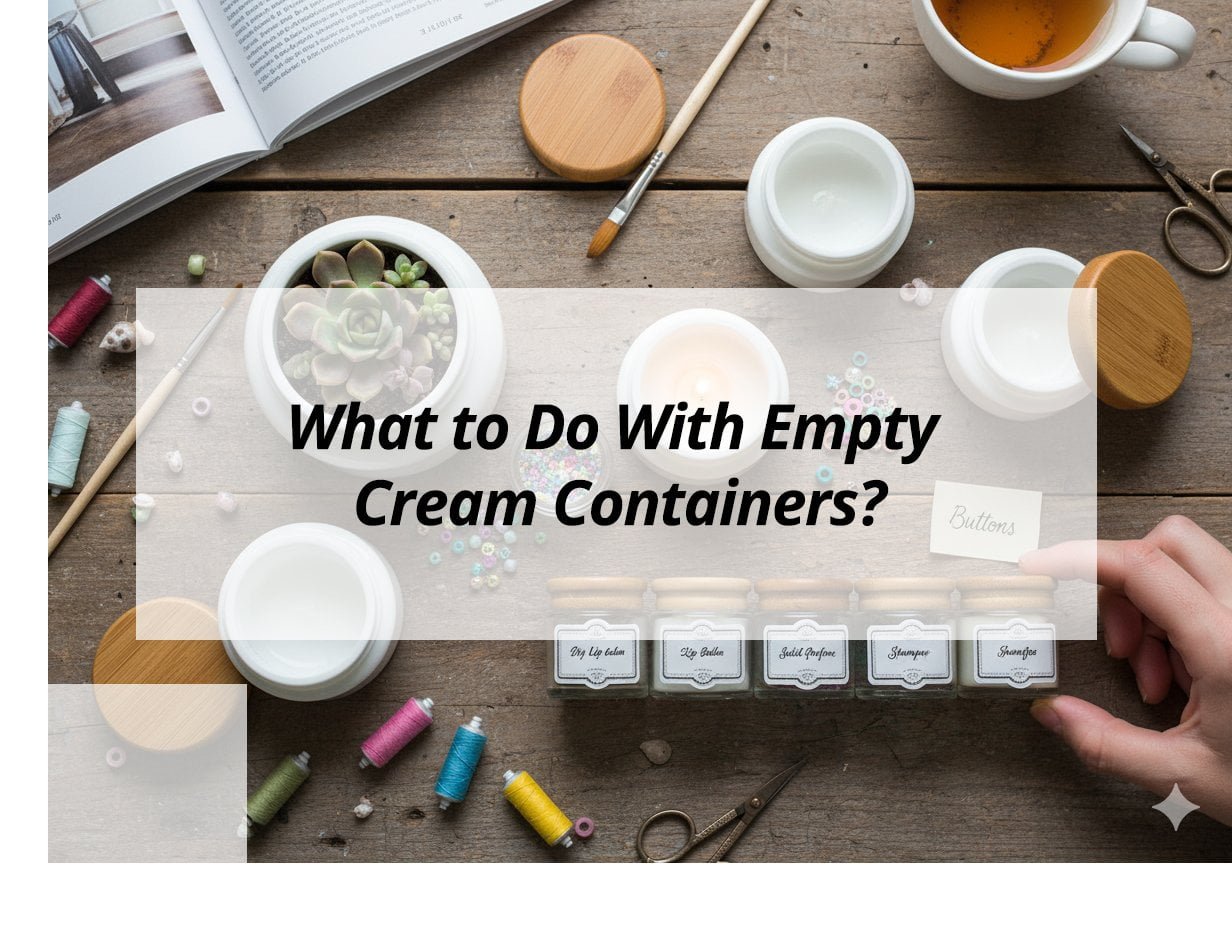
Empty cream containers often present a disposal challenge. Many individuals simply discard them, but more sustainable options exist. This guide explores effective strategies for managing used cosmetic packaging responsibly.
There are multiple approaches for empty cream containers, including recycling, creative repurposing, and specialized brand take-back programs. Recycling depends on material type and local regulations. Repurposing offers new uses for durable containers. Understanding these options helps reduce waste and supports environmental efforts.
Accumulating empty cosmetic containers is common. Knowing the proper methods for their disposal or reuse is beneficial. This guide provides clear directions for handling them.
Are Heavy Cream Containers Recyclable?
The recyclability of cosmetic containers is a frequent question. Many consumers are unsure about which items can be recycled. The ability to recycle these containers largely depends on their material composition.
Most heavy cream containers1 are recyclable if made from common plastics (PET or HDPE) or glass. Checking for a recycling symbol and number on the container is essential. Thoroughly cleaning out any product residue before placing containers in recycling bins is also critical. Recycling guidelines vary by region.
Identifying the material type is the first step. Look for the recycling symbol, which is a triangle with a number inside. This number indicates the plastic type. Plastics numbered 1 (PET) and 2 (HDPE) are generally accepted in most municipal recycling programs. Glass jars are also typically recyclable. However, containers made of mixed materials or less common plastics might not be accepted.
Understanding Recycling Symbols
Understanding recycling symbols is important for correct waste sorting. Each symbol represents a specific material.
| Symbol | Material Type | Common Packaging Use | Recycling Information |
|---|---|---|---|
| PETE 1 | Polyethylene | Water bottles, some jars | Widely accepted in recycling programs |
| HDPE 2 | High-Density | Milk jugs, lotion bottles | Generally accepted across regions |
| PVC 3 | Polyvinyl Chloride | Blister packs, rarely jars | Limited recycling acceptance |
| LDPE 4 | Low-Density | Squeeze tubes, flexible caps | Accepted in some specialized programs |
| PP 5 | Polypropylene | Jar lids, some cream jars | Increasingly accepted, check local rules |
| PS 6 | Polystyrene | Some compacts, foam inserts | Rarely recycled, difficult to process |
| Other 7 | Mixed Plastics | Multi-layer packaging | Not typically recyclable in standard programs |
Preparing Containers for Recycling
Proper preparation is necessary before recycling. Uncleaned containers can contaminate entire batches of recyclables. Containers must be free of product residue.
- Rinsing: Wash out all cream or lotion with warm water.
- Separating components: Remove lids, pumps, and other small parts, as they may be made of different materials and require separate processing or disposal.
- Verifying local rules: Consult local waste management websites for specific guidelines on accepted materials and preparation.
Importance of Cleanliness in Recycling
Contamination by product residue is a significant issue for recycling facilities. A container with substantial cream left inside can render other materials non-recyclable. Therefore, cleaning empty cosmetic containers recycle effectively is a crucial step in ensuring successful recycling outcomes. This small effort contributes to the overall efficiency of recycling processes.
Does Ulta Take Back Empty Containers?
Many beauty retailers and brands are implementing sustainability initiatives. Consumers often inquire about take-back programs at popular stores like Ulta. It is important to know which retailers offer such services.
Ulta Beauty has established a partnership with Pact Collective to facilitate in-store recycling for challenging-to-recycle beauty packaging. This program accepts empty cosmetic containers from any brand, not exclusively Ulta's own products. This initiative provides a solution for empty cosmetic containers recycle that standard curbside recycling services often do not accommodate.
Such programs address a critical gap in waste management for cosmetic packaging. They provide consumers with a convenient way to dispose of items that might otherwise end up in landfills. Knowing that options exist for empty face cream jars encourages more responsible consumption habits.
Operation of Beauty Brand Take-Back Programs
Numerous beauty companies now operate their own recycling or take-back programs. These programs frequently target packaging components that are difficult to recycle through conventional means, such as small plastic parts, pumps, and multi-material packaging.
- Retailer drop-off points: Consumers bring cleaned empty containers to designated bins within retail stores.
- Mail-in options: Some brands provide postage-paid labels, allowing customers to mail back their empty packaging.
- Brand-specific acceptance: Certain programs may only accept empty containers from their own brand, while others are broader.
Examples of Other Recycling Programs
Beyond Ulta, several other beauty brands also offer recycling solutions. For example, L'Oréal has various sustainability commitments that include packaging recycling. Origins provides a "Return to Origins" program. These initiatives help to divert significant amounts of waste from landfills, promoting the empty cosmetic containers recycle movement across the industry.
Impact of Retailer Initiatives
Retailer-led recycling programs play a vital role in encouraging sustainable practices. By offering accessible collection points, they empower consumers to make more environmentally conscious choices. These programs complement manufacturing efforts to design more recyclable packaging. They create a more comprehensive system for managing cosmetic waste.
What to Do With Old La Mer Jars?
La Mer jars are often recognized for their premium quality and distinctive design. When these luxurious containers become empty, discarding them can seem wasteful. Exploring alternatives to disposal is a good approach.
Old La Mer jars, known for their robust construction and elegant appearance, are excellent candidates for creative reuse or upcycling. They can be transformed into decorative items, small organizational containers, or travel storage. While La Mer does not currently offer a dedicated take-back program, repurposing these durable glass jars effectively extends their lifespan and reduces waste from empty face cream jars.
Many creative uses exist for high-quality empty jars. They can serve as vessels for new purposes, ranging from household organization to aesthetic enhancements. Such reuse prevents these items from being prematurely sent to landfills.
Creative Upcycling Concepts
High-quality jars offer many opportunities for repurposing. Their durable nature makes them suitable for various new functions.
- Household storage: Use them to organize small items like jewelry, office supplies, or spices.
- Decorative accents: Fill with natural elements such as sand, pebbles, or dried botanicals for home decor.
- DIY crafts: Utilize them as containers for homemade candles, lip balms, or solid perfumes.
- Travel and portion control: Refill with personal care products for travel or to store small portions of ingredients.
Benefits of Upcycling
Upcycling contributes to waste reduction and resource conservation. By giving an item a new purpose, the need for new product acquisition is diminished. This practice supports environmental sustainability and fosters creativity. It highlights the potential for empty cosmetic containers recycle efforts to go beyond conventional recycling.
Design and Durability Considerations
The design and material quality of cosmetic packaging significantly influence its potential for reuse. Jars made from sturdy glass or high-grade plastics are more amenable to upcycling. This inherent durability supports extending the lifecycle of the packaging. Packaging designers often consider post-consumer uses.
How to Reuse Lotion Containers?
Lotion containers, frequently plastic bottles equipped with pumps, are common household items. Once empty, these containers offer potential for reuse beyond their initial purpose.
Lotion containers, particularly those with functional pumps, are suitable for various practical reuse applications. They can store homemade personal care products, liquid soaps, or travel-sized liquids. Thorough cleaning and sanitization are essential before refilling. This practice significantly reduces waste and provides a second life for empty skincare bottles recycle.
Refilling an empty lotion pump bottle with another liquid, such as hand soap or shampoo, is a straightforward way to extend its utility. This simple act reduces the need to purchase new dispenser bottles. It is a practical and environmentally conscious choice.
Practical Reuse Ideas
Lotion containers are highly adaptable due to their design, especially those featuring a pump mechanism.
- Custom product storage: Hold homemade lotions, sanitizers, or essential oil mixtures.
- Travel-size refills: Decant larger product bottles into smaller, empty lotion containers for convenient travel.
- Home cleaning solutions: Use for dispensing DIY cleaning sprays or liquid detergents.
- Gardening aids: Employ for precise watering of small indoor plants or applying liquid plant food.
Steps for Safe Reuse
Proper cleaning and sanitization are critical for safely reusing any container, particularly those for personal care products. This prevents bacterial growth and cross-contamination.
- Thorough cleaning: Wash the container with hot, soapy water, ensuring all product residue is removed.
- Complete rinsing: Rinse thoroughly to eliminate any soap traces.
- Sanitization: For cosmetic use, sanitize with a dilute bleach solution or rubbing alcohol.
- Air drying: Allow the container to air dry completely, preferably upside down, to prevent moisture accumulation.
Broader Impact of Container Reuse
The practice of reusing containers has a wider positive impact. It reduces the demand for new packaging production, which conserves resources and lowers environmental footprint. This aligns with broader sustainability goals. Many industries are seeking ways to promote circular economy principles.
My Insights: Creative Ways to Repurpose Empty Cream Containers
Facing a stash of empty cream containers and unsure what to do with them? Here’s how to transform them into functional and fun items.
Empty cream containers can be repurposed for storage, DIY projects, or recycled if cleaned properly. Options include using them for organizing small items, creating mini plant pots, or as travel containers for toiletries. Proper cleaning ensures readiness for any chosen purpose.
Transforming and Recycling Cream Containers
Step 1: Cleaning and Preparation
- Wash thoroughly with warm, soapy water to remove residue.
- Remove labels to ease repurposing and recycling.
Step 2: Repurposing Ideas
- Home Storage: Use for small items like bobby pins or office supplies.
- DIY Projects: Turn them into mini planters, candle molds, or art project materials.
Step 3: Recycling Options
- Check Local Guidelines: Verify the type of plastic and recyclability based on local regulations.
- Use Take-Back Programs: Participate in retailer programs for proper recycling of cosmetic packaging.
| Use Case | Description | Materials Needed |
|---|---|---|
| Storage Solutions | Organize small household items | Clean containers |
| DIY and Crafts | Create planters, candles, or art supplies | Containers, paint, plants, craft kits |
| Recycling | Follow local rules for material disposal | Knowledge of local recycling codes |
Choosing the best option depends on available resources and personal creativity, helping to reduce waste and give new life to old containers.
Conclusion
Managing empty cream containers involves several responsible options. Recycling, participating in brand take-back programs, and creative reuse are key strategies. Proper cleaning and preparation are essential for all methods. These actions contribute to waste reduction and environmental protection.
-
Explore this link to understand the recyclability of heavy cream containers and how to prepare them for recycling. ↩