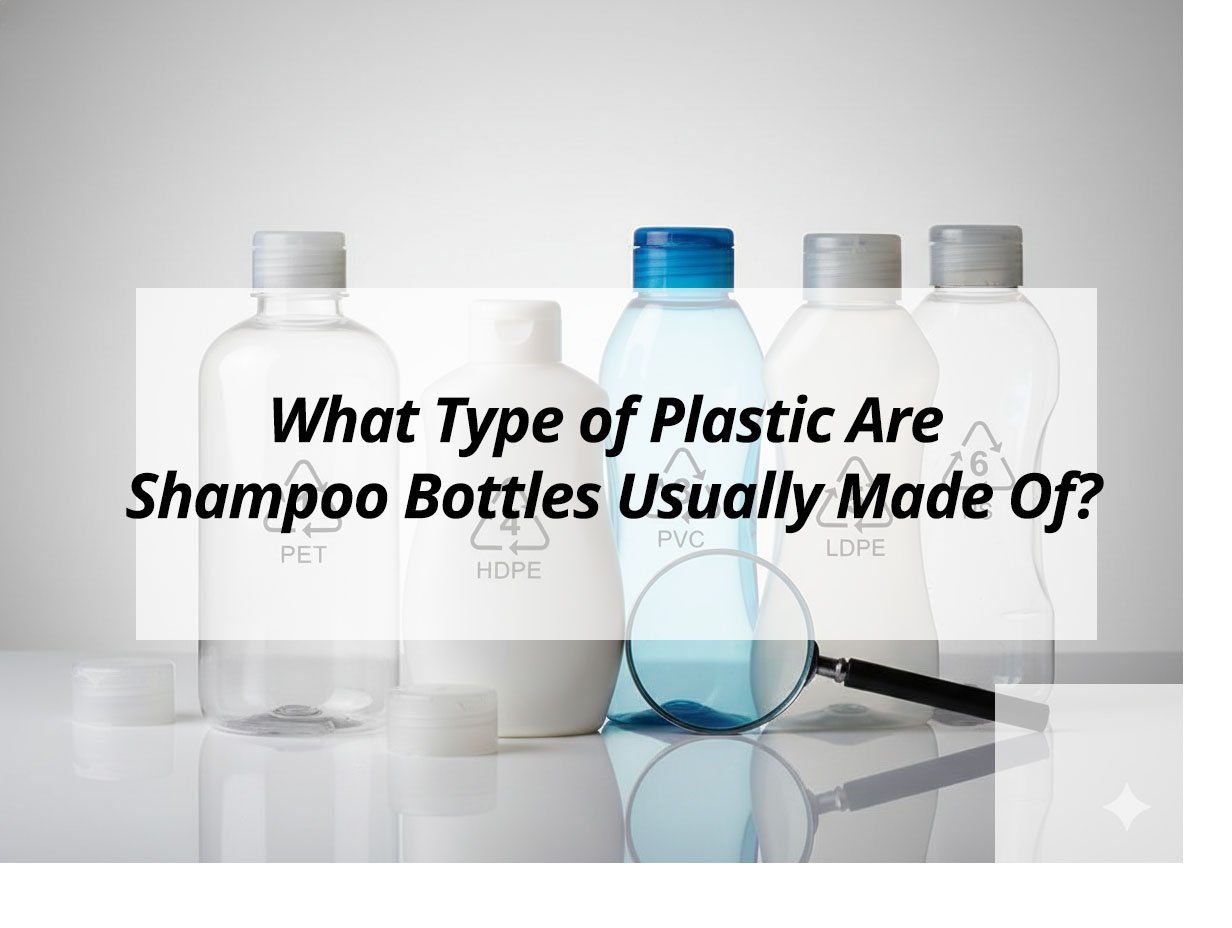
Choosing the right material for product packaging is very important. Many people want to know about the plastics used for common items like shampoo bottles. What are these plastics?
Shampoo bottles are most often made from high-density polyethylene (HDPE). This plastic is known for its strength, resistance to many chemicals, and good moisture barrier properties. These features make HDPE a suitable material for containing liquid products such as shampoos and conditioners.
Understanding the properties of different plastics helps in making good decisions for packaging. The chosen material affects a product's stability, shelf life, and overall consumer experience. Knowing about these materials is key for informed choices.
What type of plastic is used for shampoo bottles?
When observing shampoo bottles, various designs and sizes are apparent. What specific plastic is commonly used for their construction? This question often arises among consumers and industry professionals.
High-Density Polyethylene (HDPE) is a primary plastic used for shampoo bottles. It is a favored choice because of its durability and low reactivity with the ingredients found in shampoo. HDPE also provides effective protection against moisture and light, which helps maintain product freshness over time.
HDPE is widely adopted in the packaging industry for personal care items. Its chemical resistance means the plastic does not degrade or alter the shampoo's formulation. This contributes significantly to product quality. Furthermore, HDPE is a recyclable plastic, which is an important consideration for many brands today due to environmental initiatives.
Why HDPE is a Common Choice for Shampoo Bottles
HDPE possesses several characteristics that make it ideal for shampoo bottle manufacturing.
- Chemical Resistance: It shows little to no reaction with most chemicals in shampoo. This helps preserve the purity of the product.
- Moisture Barrier: HDPE effectively prevents moisture from entering or exiting the bottle. This stops the shampoo from drying out or becoming diluted.
- Durability: This plastic is robust. Bottles made from HDPE are less likely to break if dropped, enhancing product safety during handling and transport.
- Cost-Effectiveness: HDPE is generally an economical material. This helps companies manage their packaging expenses efficiently.
- Recyclability: It is broadly accepted in recycling programs globally. This supports brand efforts towards sustainability.
Here is a simple table highlighting the advantages of HDPE:
| Feature | Benefit for Shampoo Bottles |
|---|---|
| Chemical Inertness | Product integrity is maintained |
| Moisture Barrier | Prevents evaporation and contamination |
| Impact Resistance | Reduces breakage during transport and use |
| Affordability | Helps control manufacturing costs |
| Recyclability | Supports environmental initiatives |
Other plastics are also used, but HDPE remains a top choice. For instance, some premium brands might select PET for its clear appearance. However, for most shampoo products, HDPE offers a good balance of strength, protection, and economic viability. It is also easy to color, allowing brands to customize their packaging aesthetically.
Do all plastic bottles give off microplastics?
The topic of microplastics has gained significant attention. Many consumers are concerned about whether plastic bottles release these tiny particles. This is a valid concern for product safety and environmental impact.
Yes, most plastic bottles have the potential to release microplastics over time. This process occurs through various mechanisms such as physical wear, exposure to ultraviolet light, or other environmental factors. While the quantities may be small, it is a natural part of plastic degradation.
The release of microplastics from packaging is a frequent discussion point, especially among those prioritizing health and environmental safety. All plastics, including those used in cosmetic packaging, can break down into microplastics during their lifecycle. The rate and extent of this process depend on specific conditions. For example, a bottle exposed to high temperatures or intense sunlight may degrade more quickly than one stored in a cool, dark environment. Using high-quality, stable plastics can help mitigate the rate of degradation.
Understanding Microplastic Release Mechanisms
Plastic degradation is a complex process influenced by several factors. These factors can accelerate the release of microplastics.
- UV Exposure: Sunlight, specifically ultraviolet radiation, can break down the polymer chains in plastics. This makes the material brittle and causes tiny fragments to detach.
- Physical Stress: Routine handling, squeezing, and washing of bottles can cause surface abrasion. This mechanical friction contributes to the release of microplastics.
- Temperature Fluctuations: Exposure to extreme heat or cold can weaken the structural integrity of plastics. This can hasten their degradation process.
- Chemical Interaction: Over extended periods, certain chemicals can interact with the plastic material. This interaction can also lead to the breakdown and release of microparticles.
Factors influencing microplastic release include:
- Material Composition: Different types of plastics exhibit varying levels of stability.
- Additives: Chemicals incorporated into plastics can affect their resistance to degradation.
- Environmental Conditions: How a bottle is used and stored significantly impacts its degradation rate.
For example, a thick-walled HDPE bottle typically demonstrates greater resistance to degradation compared to a thin, single-use plastic container. It is important to select packaging that is appropriate for the product's intended use and expected shelf life. Proper storage conditions also play a role in maintaining bottle integrity and reducing microplastic release.
How to tell if plastic is HDPE?
Identifying the specific type of plastic a bottle is made from can be challenging without proper knowledge. However, there are some straightforward methods to determine if a plastic is HDPE. This information is useful for recycling and general understanding.
One common way to identify HDPE plastic is by checking for the recycling symbol number "2" usually molded onto the bottom of the container. HDPE typically has a slightly waxy feel and appears opaque or semi-translucent, meaning light passes through it but objects are not clearly visible. Additionally, HDPE will float in water, which serves as a simple home test.
Identifying plastic types is a practical skill for quality control and material sourcing. The recycling code, a number inside a chasing arrow triangle, is a universal indicator. The number "2" signifies HDPE. The tactile feel of HDPE is distinctive; it often feels somewhat rough and waxy, differing from the smooth, clear surface of other plastics like PET. These simple observations can help confirm the material's identity.
Simple Ways to Identify HDPE
You do not need specialized equipment to identify HDPE.
- Recycling Code: Look for the numeral "2" within the universal recycling symbol (chasing arrows). This is the most reliable identifier.
- Appearance: HDPE is typically opaque or has a milky, semi-translucent quality. It is rarely completely transparent and often has a dull finish, regardless of color.
- Texture: It usually feels slightly waxy or somewhat greasy to the touch. It is less rigid than some other hard plastics but maintains its form.
- Flexibility: While strong, HDPE exhibits some flexibility. Many bottles made of HDPE can be squeezed or bent without immediately breaking.
- Float Test: HDPE has a density less than water. If placed in water, a piece of HDPE will float. This is a very simple and effective method for identification.
Here is a quick reference table for identifying HDPE:
| Characteristic | Description |
|---|---|
| Recycling Symbol | Number "2" inside a triangle |
| Transparency | Opaque or semi-translucent, not crystal clear |
| Feel | Slightly waxy, somewhat rigid but pliable |
| Density | Floats in water |
| Sound | A dull, softer sound when tapped (not a sharp, brittle sound) |
Clear labeling of plastic types is important for efficient recycling and consumer awareness. It assists individuals in correctly sorting materials, contributing to better recycling practices.
Which is better HDPE or PET plastic?
When selecting plastic packaging, the choice often comes down to HDPE versus PET. Both are effective plastics, but they possess different properties that make them suitable for distinct applications. The "better" plastic depends entirely on the product's requirements.
Neither HDPE nor PET plastic is universally "better"; their superiority is determined by the specific demands of the product being packaged. HDPE is often chosen for its chemical resistance and opaque nature, making it well-suited for products like shampoos and detergents. PET is preferred for its clarity and superior gas barrier properties, which are ideal for beverages and transparent cosmetic products.
This comparison is common in packaging decisions. For instance, if a product is a clear liquid where visual appeal through transparency is important, PET would likely be the more appropriate choice. Conversely, for an opaque, creamy product like many standard shampoos, HDPE offers suitable protection and structural integrity. Each plastic has distinct advantages.
Comparing HDPE and PET
Let's examine the key differences between HDPE and PET to help in making an informed packaging decision.
- Transparency: PET is well-known for its excellent optical clarity, often resembling glass. HDPE, in contrast, is typically opaque or semi-translucent, preventing clear visibility of contents.
- Chemical Resistance: HDPE generally offers broader chemical resistance, capable of housing a wider array of substances. PET is also resistant to many chemicals but may be less suitable for very strong or reactive compounds.
- Barrier Properties: PET provides an excellent gas barrier, which means it is very effective at preventing gases like oxygen from passing through. This makes it ideal for carbonated drinks. HDPE has good moisture barrier properties, effectively stopping water vapor transmission.
- Durability: Both plastics are durable. HDPE is often more rigid and less prone to environmental stress cracking. PET is also strong but can sometimes be more brittle depending on its formulation and thickness.
- Temperature Range: HDPE typically maintains its integrity over a broader temperature range. PET can deform or soften at higher temperatures.
- Recyclability: Both materials are widely recyclable. PET is identified by recycling code "1," and HDPE by "2."
Here is a comparative table of HDPE and PET:
| Feature | HDPE (High-Density Polyethylene) | PET (Polyethylene Terephthalate) |
|---|---|---|
| Transparency | Opaque, semi-translucent | Clear, transparent |
| Chemical Resist | Excellent, wide range | Good, but less broad than HDPE |
| Barrier | Good moisture barrier | Excellent gas barrier |
| Feel | Waxy, slightly rigid | Smooth, hard |
| Typical Use | Shampoos, detergents, milk jugs | Beverages, clear cosmetics, food jars |
| Recycle Code | 2 | 1 |
When advising on material selection, factors such as product formulation, desired shelf life, and aesthetic goals are considered. If a brand aims for a bottle that clearly displays a product, PET is often chosen. If a sturdy, opaque container is needed for a thick, creamy product, HDPE is typically the more appropriate choice. Both plastics are valuable, but for different applications.
My Insights: Understanding the Plastics Used in Shampoo Bottles
Confused about what plastic your shampoo bottles are made of? Discover why PET and HDPE are popular choices.
Shampoo bottles are typically made from PET and HDPE plastics. PET is lightweight and transparent, while HDPE is durable and resistant to chemicals. Both are recyclable, cost-effective, and offer excellent protection against leakage and contamination.
Analyzing the Plastics in Shampoo Bottles
Types of Plastics and Their Benefits
| Plastic Type | Attributes | Applications |
|---|---|---|
| PET | Lightweight, transparent, moisture barrier | Ideal for clear bottles, enhancing visibility |
| HDPE | Durable, chemical-resistant, rigid | Common in opaque bottles, offering sturdiness |
| PP | Heat and chemical resistance | Used when extra protection is needed |
-
PET Characteristics: Polyethylene Terephthalate offers transparency, making it suitable for products that benefit from a clear view of the contents. Its moisture barrier ensures liquid products remain fresh longer.
-
HDPE Benefits: High-Density Polyethylene provides superior durability and resistance to chemical degradation, crucial for maintaining the integrity of shampoo formulations.
-
Choosing the Right Plastic: Understanding the properties of PET, HDPE, and PP helps manufacturers optimize packaging design. The choice depends on the desired bottle characteristics, such as transparency or rigidity, and product storage needs.
These plastics offer flexibility in design and sustainability through recyclability, meeting the demands for efficient and eco-friendly cosmetic packaging solutions.
Conclusion
Shampoo bottles are primarily made from HDPE plastic. This is due to its strength, chemical resistance, and effective moisture barrier. While all plastics can release microplastics, material selection and proper storage can mitigate this.