Are you struggling to find eco-friendly packaging that won't break your budget? Many brands believe sustainable options are always more expensive. But what if the industry is changing, making competitive pricing more accessible than ever?
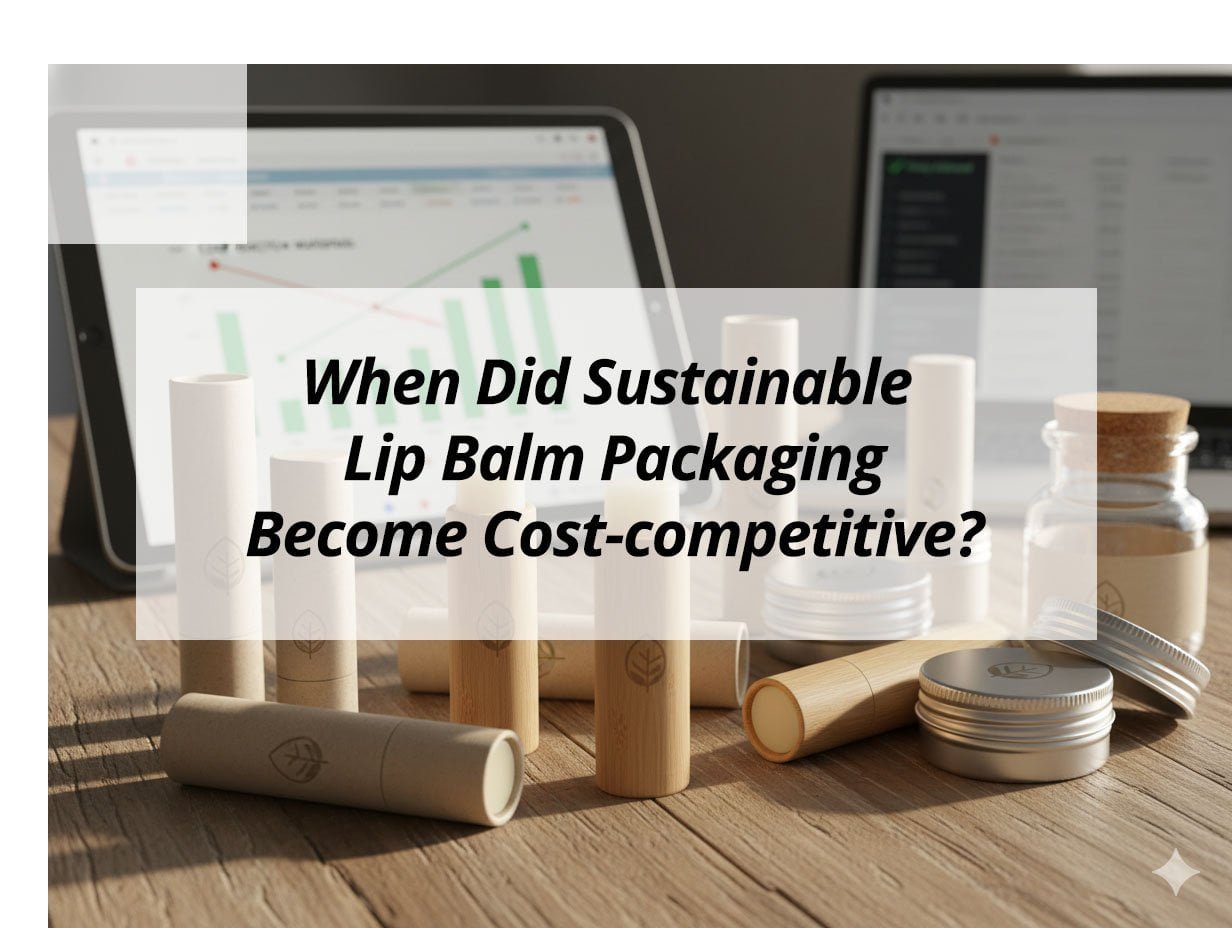
Sustainable lip balm packaging is becoming more cost-competitive due to advancements in material science, increased efficiency in manufacturing processes, and a growing market demand for environmentally responsible products. This shift enables brands to adopt eco-friendly packaging solutions without significantly increasing their production costs.
The drive for sustainable solutions in cosmetic packaging is not just a passing trend; it signifies a fundamental shift in industry priorities. Consumers are increasingly informed, and brands face pressure to align with environmental values, leading to innovations and economies of scale that directly influence pricing.
Are 73% of Gen Z Willing to Pay More for Sustainable Products?
Are you questioning whether investing in sustainable packaging truly resonates with younger consumer demographics? It's a critical consideration for many in the cosmetic industry. You might assume that price remains the sole determinant for purchases.
Yes, research indicates that approximately 73% of Gen Z consumers are willing to pay more for sustainable products. This demographic places a high value on environmental responsibility, directly influencing their purchasing decisions and increasing demand for brands that offer sustainable skincare packaging and align with their ecological values.
This strong inclination from Gen Z represents a powerful market force. It sends a clear signal to the industry. Brands that embrace sustainability can effectively attract and retain this valuable consumer segment. This demographic actively seeks products that reflect their ethical stance, considering not only the product itself but also its packaging choices.
Understanding Gen Z's Green Priorities
Gen Z grew up with a heightened awareness of climate change and environmental issues. This background significantly shapes their spending habits. They actively seek brands that demonstrate genuine commitment to planetary well-being.
- Values-Driven Consumption: Gen Z frequently bases purchase decisions on personal values, with sustainability being a core principle for many.
- Thorough Research: They diligently research brands to verify authentic sustainability efforts. Superficial greenwashing is often ineffective with this group.
- Desire for Impact: They aim for their purchases to contribute positively to society and the environment. Choosing sustainable products is a key way they achieve this.
| Factor | Gen Z Priority | Traditional Consumer Priority |
|---|---|---|
| Environmental Impact | High | Medium |
| Ethical Sourcing | High | Medium |
| Price | Medium | High |
| Brand Transparency | High | Medium |
These comparisons highlight a distinct divergence in priorities. Brands must adjust their strategies to meet these new expectations. Many eco friendly cosmetic packaging manufacturers are observing this demand and adapting their offerings to support brands targeting this demographic.
The Strategic Value of Appealing to Gen Z
Engaging with Gen Z is not only beneficial for environmental stewardship but also offers significant business advantages. Their loyalty to sustainable brands can foster long-term growth and market stability.
- Enhanced Brand Loyalty: Brands perceived as sustainable often cultivate stronger, more lasting customer loyalty.
- Improved Brand Image: A clear commitment to sustainability significantly elevates a brand's reputation and public perception.
- Market Share Expansion: Brands that proactively adopt sustainable practices can capture a substantial share of the evolving market.
This represents a strategic imperative. Many brands recognize the risks of ignoring this growing trend. Suppliers of sustainable packaging solutions are working to help brands integrate these options and meet the demands of this evolving market segment.
When Did Sustainable Packaging Start?
Are you curious about the origins of sustainable packaging and its evolution to its current state? Many perceive it as a relatively recent development. However, its foundational concepts emerged much earlier than commonly believed.
Sustainable packaging began to gain prominence in the 1970s, largely driven by increasing environmental awareness and the observance of the first Earth Day. Initial efforts concentrated on recycling initiatives and waste reduction. Over time, the concept broadened to encompass biodegradable materials, responsible sourcing, and a comprehensive lifecycle assessment, becoming a primary focus for eco friendly cosmetic packaging manufacturers.
The trajectory of sustainable packaging is extensive, mirroring shifts in societal values and advancements in technology. It originated from simple waste management and evolved into a complex, multifaceted approach.
Early Beginnings: Awareness and Recycling Initiatives
The environmental movement of the 1960s and 1970s served as a crucial catalyst. Public consciousness about waste impact grew, leading to a strong emphasis on recycling.
- 1970s: The inaugural Earth Day brought pollution to the forefront, spurring calls for reduced waste. Consequently, numerous communities initiated recycling programs.
- "Reduce, Reuse, Recycle": These three principles formed the bedrock of early sustainability endeavors. Packaging designs aimed to minimize material usage and facilitate easy recycling.
- Governmental Support: Legislative frameworks began to emerge, supporting recycling efforts and encouraging overall waste reduction.
Observations from the manufacturing sector over several decades reveal a gradual shift. Initially, priorities were predominantly cost and functionality. Subsequently, inquiries about recyclability became more frequent, signaling a clear change. Manufacturers had to adapt their processes and material procurement strategies accordingly.
Evolution Towards Comprehensive Sustainability
The scope of sustainability expanded beyond mere recycling to encompass the entire product lifecycle. This included meticulous material sourcing and considering end-of-life disposal.
- 1990s - 2000s: The focus broadened to include wider environmental impacts, such as energy consumption and carbon footprints. The importance of renewable materials gained traction.
- Emergence of Biodegradable and Compostable Materials: Innovations introduced new possibilities, with materials designed to naturally decompose becoming available. Biodegradable cosmetic packaging began to appear as a viable option.
- Contemporary Approach: Current efforts center on circular economy principles. This involves designing waste out of the system, keeping products and materials in continuous use, and regenerating natural ecosystems.
This holistic perspective is essential. For packaging suppliers, this means continuously seeking improved materials and optimizing production processes. It also involves assisting brands in navigating these complex options. For instance, a brand seeking sustainable skincare packaging will now expect detailed information on the environmental footprint of various material choices to make informed decisions.
Why Is Sustainable Packaging More Expensive?
Are you questioning why eco-friendly packaging frequently carries a higher cost compared to conventional options? This is a common concern for businesses considering a transition. You might assume material costs are the sole contributing factor.
Sustainable packaging often incurs higher costs primarily due to the increased expense of recycled or biodegradable raw materials, smaller production volumes compared to traditional plastics, and substantial investments in research and development for innovative eco-friendly solutions. However, these costs are progressively decreasing as market demand grows and manufacturing technologies mature for eco friendly cosmetic packaging manufacturers.
The cost disparity is a recognized reality. However, it is crucial to understand the underlying reasons. Multiple factors contribute to the pricing structure of sustainable packaging alternatives, extending beyond just the raw materials.
Material and Production Cost Factors
The primary drivers of elevated costs are typically linked to the specific materials utilized and the production methodologies employed, which differ from conventional manufacturing.
- Raw Material Procurement: Recycled or sustainably sourced virgin materials can command higher acquisition costs. This is often because their supply chains are either nascent or more specialized. For example, some plant-based bioplastics are still more expensive to produce than traditional petroleum-derived plastics.
- Production Scale Differences: Conventional packaging benefits from enormous production scales, which yield significant economies of scale. Sustainable packaging often involves smaller production runs, leading to higher unit costs.
- Specialized Manufacturing Requirements: The production of sustainable packaging may necessitate different machinery or specialized processes, potentially increasing manufacturing overhead.
In the early stages of offering biodegradable cosmetic packaging, it was common for minimum order quantities to be significantly higher. This was due to material suppliers requiring larger commitments. However, as demand has increased, these minimums have begun to decrease, contributing to a reduction in overall costs for brands.
Investment in Innovation and Assurance
The development and validation of sustainable packaging also require substantial investment. These costs are frequently integrated throughout the supply chain.
- Research and Development (R&D): The creation of novel sustainable materials or designs necessitates considerable R&D expenditure. Companies invest heavily in identifying viable alternatives, including developing new polymers or enhancing recycled content processes.
- Certifications: Obtaining essential certifications (e.g., FSC for paper, ASTM D6400 for compostability) is vital for transparency and credibility. These certifications, however, involve costs for testing and auditing.
- Supply Chain Transparency: Ensuring ethical sourcing and a minimized environmental footprint across the entire supply chain demands rigorous effort, including supplier audits and meticulous material tracking.
Customers, particularly brand company buyers and cosmetic packaging middlemen, often value these certifications. They seek assurance regarding quality and authenticity and aim to mitigate risks such as falsified certificates. While these investments add to costs, they simultaneously build trust and enhance product value.
Is 95% of Beauty Packaging Thrown Away?
Are you concerned about the substantial volume of waste generated by the beauty industry's packaging? This frequently cited statistic is quite alarming. You might be questioning whether the figure is truly this high.
Yes, it is widely estimated that approximately 95% of beauty packaging is discarded after a single use, significantly contributing to landfill accumulation and environmental pollution. This alarming figure underscores the urgent necessity for more sustainable skincare packaging solutions and a comprehensive circular economy approach within the cosmetics industry, driving the need for eco friendly cosmetic packaging manufacturers.
This statistic is indeed striking. It highlights a critical environmental challenge. Simultaneously, it presents a significant opportunity for transformative change. The linear "take-make-dispose" model is increasingly unsustainable and obsolete.
The Extent of Beauty Packaging Waste
The beauty industry generates an enormous quantity of packaging, a large portion of which consists of single-use plastics. Much of this waste ultimately ends up in landfills or polluting marine environments.
- Prevalence of Plastics: Plastic, due to its low cost and versatility, has become the dominant material for beauty packaging. However, a significant percentage of it is never recycled.
- Multi-Material Complexity: Many beauty product packages incorporate various materials, which complicates the recycling process. For example, a pump dispenser might contain metal springs and different types of plastic.
- Small Product Sizes: Travel-sized or sample products contribute disproportionately to waste. They are often too small to be efficiently processed by standard recycling systems.
Numerous designs within the manufacturing sector historically prioritized aesthetics and functionality, with minimal consideration for end-of-life solutions. However, current client inquiries from cosmetic finished product factories increasingly focus on material separation and mono-material designs, aiming to reduce the impact implied by the 95% waste figure.
Advancing Towards a Circular Economy Model
Addressing this extensive waste problem necessitates a fundamental paradigm shift. It requires transitioning from a single-use model to one based on circularity. This is where sustainable skincare packaging becomes indispensable.
- Refillable Systems: Brands are increasingly introducing refillable containers. This approach dramatically reduces packaging waste, as consumers purchase the initial product and then only replace the contents.
- Recycled Content Utilization: Incorporating post-consumer recycled (PCR) materials helps divert plastic from landfills and reduces the reliance on virgin plastic production.
- Biodegradable and Compostable Alternatives: Materials designed to decompose naturally offer another viable solution. Biodegradable cosmetic packaging can safely re-enter the natural environment.
Packaging manufacturers are actively engaged in this transition, collaborating with brands to design packaging that is refillable, produced from recycled materials, or is biodegradable. For instance, developing a mono-material lotion bottle significantly simplifies the recycling process for consumers, moving away from complex, mixed-material designs that typically end up as waste. These initiatives represent crucial steps towards substantially reducing the estimated 95% packaging waste.
My Insights: The Rise of Cost-Competitive Sustainable Lip Balm Packaging
Wondering when sustainable lip balm packaging became affordable? Discover the pivotal shifts that made it cost-competitive.
Around 2025-2026, sustainable lip balm packaging achieved cost-competitiveness due to advancements in production technology, increased consumer demand, and economies of scale. Collaboration between brands and suppliers further reduced costs, making eco-friendly options viable.
Dive Deeper Paragraph: Factors Driving Cost-Competitiveness in Sustainable Lip Balm Packaging
Key Drivers
| Factor | Impact on Cost Competitiveness |
|---|---|
| Technological Advances | Improved manufacturing processes lowered production costs |
| Consumer Demand | High demand enabled larger market and cost reductions |
| Government Incentives | Subsidies and tax breaks reduced financial burdens |
| Material Innovation | Development of biodegradable plastics cut material costs |
-
Technological Innovations: Advancements in production processes, including the use of plant-based plastics, significantly reduced manufacturing costs, making sustainable packaging more affordable.
-
Market Dynamics: Increased consumer demand for eco-friendly products expanded the market, allowing for bulk purchasing of sustainable materials and achieving economies of scale.
-
Policy and Collaboration: Government incentives for sustainable practices and strategic partnerships between brands and material suppliers optimized cost structures, further driving down prices.
-
Material Development: Research into biodegradable and recycled materials helped reduce raw material costs, contributing to the competitive pricing of sustainable options.
Through these strategic developments, sustainable lip balm packaging not only reached cost-competitiveness but also enhanced brand appeal by aligning with consumer values and environmental goals.
Conclusion
Sustainable lip balm packaging is no longer a niche, expensive option. It is becoming cost-competitive, driven by consumer demand and innovations from eco friendly cosmetic packaging manufacturers. The industry is moving towards a more circular future, making sustainability an accessible and intelligent business choice.