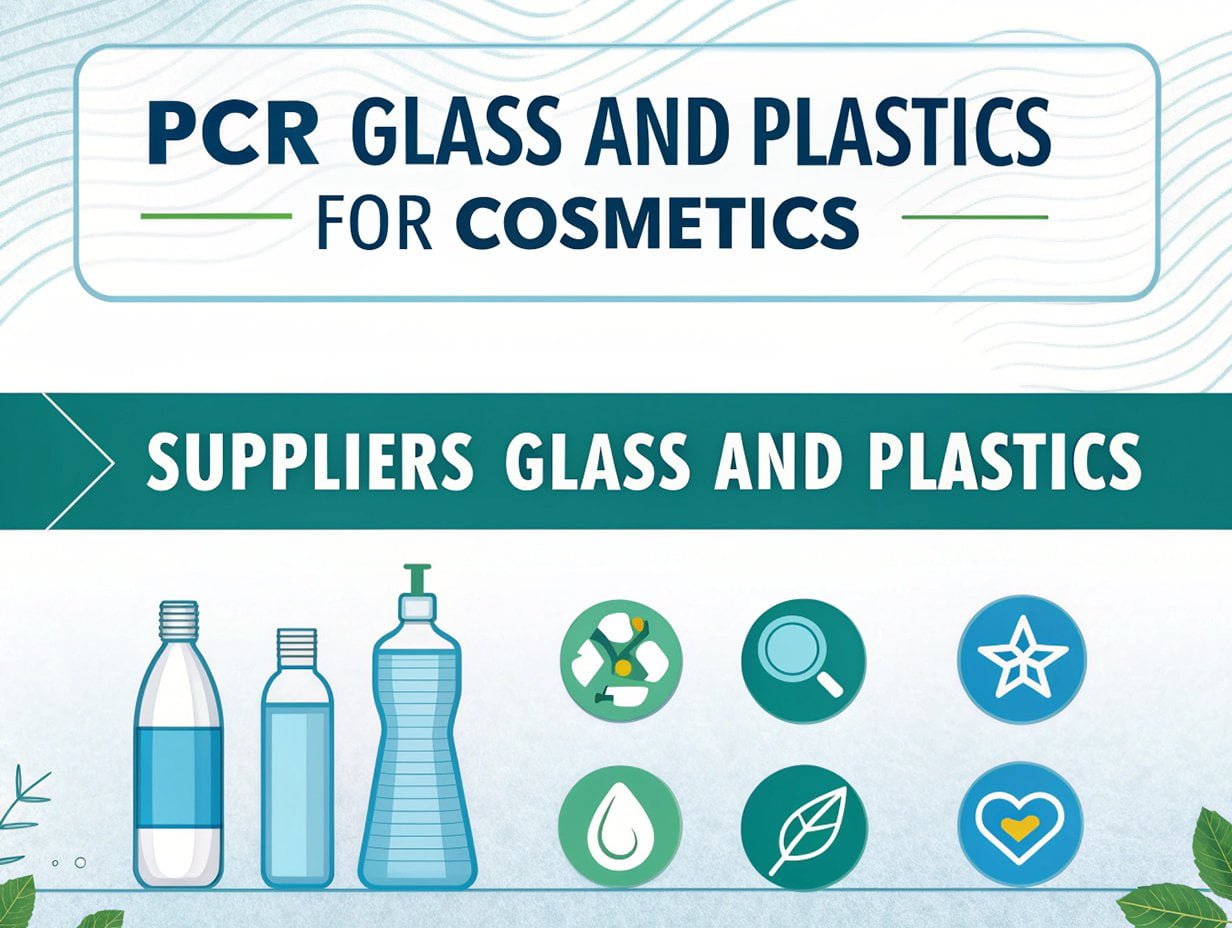
Creating eco-friendly cosmetic packaging requires finding the right materials and suppliers. Does PCR glass and plastic meet your brand's sustainability goals?
Choosing the right suppliers for PCR glass and plastic is essential for advancing sustainability in cosmetic packaging. These eco-friendly materials not only support environmental goals but also resonate with the increasing demand for green products in today’s market.
Understanding the potential and challenges of using PCR materials can help brands transition to sustainable practices effectively.
How many plastic bottles do you need to make $1,000?
Assessing the economic viability of PCR can seem daunting. How many bottles do you truly need to reach significant revenue?
To generate $1,000, you'll need approximately 500 PCR plastic bottles1, depending on pricing and cost efficiency factors. Consider how strategic sourcing impacts profitability.
Navigating the economics behind PCR bottles sheds light on how they can be integrated into your business model effectively.
Considerations for integrating PCR bottles must include cost efficiency2, market price3, and sourcing strategy4. These impact revenue and the ability to scale production. Here's a breakdown:
Cost Efficiency
- Material Costs: PCR materials can be pricier, so balancing quality and price is crucial.
- Production Scale: Larger orders may reduce cost per unit, enhancing profitability.
Market Price
- Pricing Strategy: Aligning price with market demand ensures competitiveness.
- Consumer Perception: PCR products often attract premium pricing due to sustainability appeal.
Strategic Sourcing
- Supplier Relationships: Building strong partnerships can lead to better terms and reliability.
- Logistics: Efficient shipping and handling reduce costs, impacting revenue targets.
What type of plastic is PCR?
Understanding the material itself is essential. What exactly is PCR plastic, and why is it suitable for cosmetics?
PCR, or Post-Consumer Recycled plastic, is made from recycled materials. It’s eco-friendly, promoting circular economy principles suitable for sustainable cosmetic packaging.
Exploring the characteristics of PCR helps in determining its compatibility with luxury and eco-conscious brands.
PCR plastic offers significant benefits in sustainability through reduced environmental impact. It encourages recycling and supports luxury cosmetic packaging. Here are its key attributes:
Environmental Benefits
- Reduced Waste: By recycling old plastics, PCR reduces landfill contributions significantly.
- Lower Carbon Footprint: The reuse process involves fewer emissions compared to virgin plastic production.
Compatibility with Luxury Cosmetics
- Aesthetic Quality: PCR can be molded and finished to meet high-end brand aesthetics.
- Brand Image: Aligns with eco-friendly positioning, appealing to conscious consumers.
Application in Skincare Packaging
- Durability: Ensures protection and longevity for premium skincare products.
- Flexibility: Available in various forms like bottles and jars, suitable for diverse cosmetic needs.
Who is the leader in sustainable packaging?
Brand recognition often comes from innovation. Which companies are leading the way in sustainable cosmetic packaging?
Companies like JCCosmopack and others in Southeast Asia and South America are pioneering sustainable packaging, focusing on PCR and bamboo options for luxury cosmetics.
Understanding market leaders can guide decisions on sourcing and competitive strategy.
Leading companies showcase innovations that redefine sustainable packaging. Their commitment to materials like PCR, PLA, and bamboo distinguishes them. Here's how they lead:
Innovative Materials
- PLA and Bamboo: These materials complement PCR in offering biodegradable solutions.
- Ocean Plastic Initiatives: Prominent brands integrate ocean plastic, promoting environmental activism.
Market Influence
- Global Outreach: Companies in Southeast Asia and South America expand sustainable practices, influencing global standards.
- Brand Partnerships: Collaborating with conscious brands elevates their market status and distribution capabilities.
Sourcing Strategies
- Transparency: Commitment to eco-friendly sourcing is crucial in gaining consumer trust.
- Certifications: Leaders often operate with recognized certifications, ensuring quality and sustainability.
What is the best plastic for cosmetics?
Selecting the right plastic impacts both quality and environmental goals. Which is optimal for cosmetic applications?
PCR plastic stands out in cosmetics, balancing sustainability with functionality. It provides versatility and meets eco-conscious consumer needs effectively.
Evaluating plastic choices helps refine packaging strategies, ensuring they meet both brand and consumer expectations.
PCR plastic offers unique advantages for cosmetics, combining sustainability with functionality. Its favorable attributes are vital for successful packaging. Here's an assessment:
Functional Benefits
- Versatility: Compatible with different cosmetic products, from skincare to luxury jars.
- Durability: Resistant to leaks and damage, protecting product integrity.
Environmental Impact
- Waste Reduction: High recyclability helps minimize environmental footprint.
- Consumer Appeal: Green brands and consumers prioritize PCR for its eco-friendly advantages.
Industry Adoption
- Growing Preference: Increasing adoption in luxury cosmetic packaging signals broader industry trends.
- Customizability: Can be easily molded and customized to fit brand identity.
My insights: Choosing the Right Supplier for PCR Glass and Plastic
In the world of cosmetic sustainability, selecting the right supplier for PCR materials is crucial. Which options best align with your brand’s sustainability goals?
Albea, Gerresheimer, and Berry Global are key suppliers of PCR glass and plastic, offering innovative and eco-friendly solutions. Evaluating suppliers ensures materials meet industry regulations and consumer expectations.
Selecting the right supplier for PCR materials involves understanding their offerings and your specific needs. Here's a structured approach:
Key Suppliers and Offerings
- Albea: Known for comprehensive PCR plastic solutions.
- Gerresheimer: Specializes in high recyclability glass options.
- Berry Global: Offers diverse PCR plastic packaging solutions.
Evaluating Supplier Capabilities
- PCR Content Specifications: Verify % PCR by weight and ensure compatibility with cosmetic standards.
- Regulatory Compliance: Ensure materials meet FDA and EFSA equivalents for safety and quality.
- Circular Reliability: Look for traceable supply chains with clear documented provenance.
- Quality and Performance: Request data on material properties and compatibility with formulations.
- Scalability: Confirm lead times and ability to scale production efficiently.
Making Informed Decisions
- Sample Testing: Conduct tests with small SKUs to validate compatibility with formulations.
- Supplier Communication: Establish clear communication with suppliers to ensure alignment with brand needs.
- Balancing Trade-offs: Consider sustainability trade-offs between high PCR content and product aesthetics.
Prioritizing these factors helps achieve a balance between sustainability goals and maintaining product quality. With careful selection and evaluation, your brand can effectively integrate PCR materials into its packaging strategy.
Conclusion
PCR materials offer sustainable solutions for cosmetic packaging, balancing eco-friendly initiatives with quality needs. Explore trusted suppliers for seamless integration into your product line.
-
Understanding the revenue potential of PCR plastic bottles can help you strategize your business model effectively. ↩
-
Exploring cost efficiency factors can enhance your profitability and production strategy. ↩
-
Understanding market price dynamics can help you set competitive pricing for your products. ↩
-
A solid sourcing strategy can significantly impact your production costs and overall success. ↩