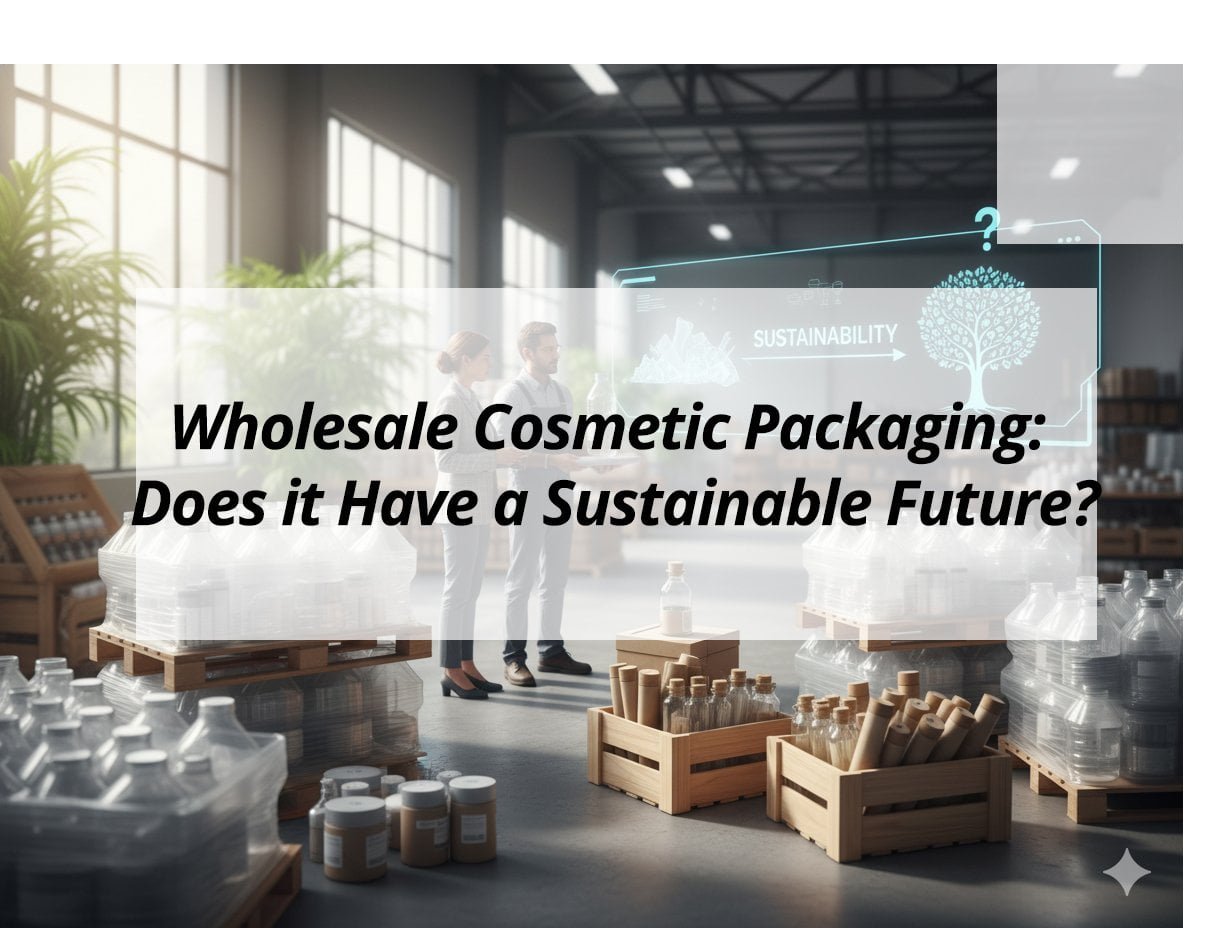
The cosmetic industry faces growing pressure to be more sustainable. Packaging is a big part of this challenge. Many wonder if wholesale cosmetic packaging can truly become green.
Wholesale cosmetic packaging can have a sustainable future. This future relies on innovation, circular economy principles, and collaboration across the supply chain. Adopting strategies like using recycled materials, promoting reusability, and optimizing logistics are key steps. These actions reduce environmental impact and meet consumer demand for greener products.
Let's explore the path towards a sustainable future for wholesale cosmetic packaging. We will look at current trends, future possibilities, and the market landscape.
What is the Most Sustainable Cosmetic Packaging?
Defining "most sustainable" in cosmetic packaging is complex. It involves many factors. There is no single perfect answer. Instead, it is a combination of choices that minimize environmental harm.
The most sustainable cosmetic packaging1 often involves multi-faceted strategies. These include using durable, refillable containers2, incorporating high percentages of post-consumer recycled (PCR) materials, and designing for easy recyclability or compostability. The core aim is to reduce material consumption, extend product life cycles through reuse, and ensure responsible end-of-life management.
I often discuss sustainable materials with my clients. They want packaging that is effective and eco-friendly. It is important to consider the entire life cycle of the package. This means from how it is made to how it is disposed of.
What Makes Packaging Truly Sustainable?
Sustainability in packaging is built on several key principles.
- Resource Reduction: Using less material overall. This includes lightweight designs and right-sized containers to avoid excess.
- Recycled Content: Maximizing the use of materials that come from recycled waste. This lessens the demand for new, virgin resources.
- Design for Circularity: Packaging should be easy to recycle or compost after use. Clear instructions and compatible materials are essential.
- Reusability: Creating containers that can be refilled and reused many times. This significantly reduces single-use waste.
- Renewable Materials: Choosing materials derived from natural, replenishing sources. Examples include plant-based plastics or sustainably sourced paper.
What are Leading Sustainable Packaging Materials?
Various materials offer different levels of sustainability. Each has its own benefits and drawbacks.
| Material Type | Sustainability Advantages | Considerations |
|---|---|---|
| Glass | Infinitely recyclable, inert, premium feel, ideal for refills. | Heavy (higher shipping emissions), fragile, energy-intensive to produce initially. |
| Aluminum | Highly recyclable, lightweight, durable, excellent barrier. | Energy-intensive initial production, requires robust recycling infrastructure. |
| PCR Plastics (e.g., rPET, rPP) | Reduces virgin plastic demand, utilizes existing waste streams. | Quality can vary, not infinitely recyclable, depends on efficient collection systems. |
| Bamboo/Wood | Renewable, biodegradable, natural aesthetic. | Can be costly, may need inner linings, variable durability for liquids. |
| Paper/Cardboard | Recyclable, renewable, lightweight. | Not water-resistant, often requires plastic coatings for cosmetic applications. |
| Bioplastics (e.g., PLA) | Derived from renewable resources, can be industrially compostable. | Requires specific composting facilities, can contaminate traditional recycling streams if mixed. |
How Does a Circular Approach Enhance Sustainability?
The most sustainable strategy is a circular economy model.
- Closed-Loop System: Materials are collected, processed, and reintroduced into the manufacturing cycle. This minimizes waste generation.
- Value Preservation: Materials retain their economic and functional value for extended periods. They are not simply discarded after a single use.
- Reduced Extraction: The demand for new raw material extraction is lowered. This protects natural ecosystems and reduces environmental degradation.
Ultimately, the most sustainable cosmetic packaging combines intelligent material choices with systems that prioritize waste reduction, extensive reuse, and effective recycling processes.
What is the Future of Sustainable Packaging?
The future of sustainable packaging looks very different from the past. It is driven by new technologies, consumer demands, and environmental urgency. This shift impacts all industries, including cosmetics.
The future of sustainable packaging is rooted in circular economy principles, widespread adoption of advanced recycling technologies, and innovative material science. It will feature more packaging designed for reuse, intelligent packaging systems for tracking, and materials that are truly biodegradable or endlessly recyclable. Collaboration across industries will be crucial for success.
I believe the future holds exciting changes for packaging. Many clients are already asking about innovative solutions. We need to think about how packaging can be part of a bigger system. This means looking beyond just one product.
What Key Trends Will Shape Future Packaging?
Several major trends will define future sustainable packaging.
- Advanced Recycling Technologies: New methods will allow for recycling materials that are currently difficult to process. This includes chemical recycling, which breaks plastics down to their basic building blocks.
- Smart and Connected Packaging: Packaging will increasingly use QR codes, RFID tags, or other technologies. This will help track products, provide information to consumers, and aid in return/refill systems.
- Biomaterials and Bio-based Packaging: Research into new materials from plants or other renewable biological sources will grow. These materials aim to be more sustainable than fossil-fuel-based plastics.
- Standardized Reusability Systems: We will see more standardized, industry-wide systems for reusable packaging. This makes it easier for consumers to return and refill products across different brands.
- Packaging-as-a-Service: Businesses might offer packaging as a service, where consumers lease containers and return them. This shifts ownership and promotes reuse.
How Will Technology Drive Sustainability?
Technology plays a vital role in advancing sustainable packaging.
| Technological Advancement | Impact on Sustainability | Future Application in Cosmetics |
|---|---|---|
| AI and Machine Learning | Optimizing packaging design for material reduction, predicting consumer recycling behavior. | Designing ultra-lightweight jars, personalized refill reminders. |
| Blockchain | Enhancing transparency in supply chains, verifying sustainable sourcing. | Tracking PCR content from source to finished product. |
| Biotechnology | Developing new bio-based materials with enhanced properties. | Creating compostable film for sachets, innovative material for bottles. |
| Internet of Things (IoT) | Tracking reusable packaging assets, monitoring fill levels for efficiency. | Smart refill stations, automated collection points for empties. |
What Challenges Must Be Overcome?
Despite the promise, challenges remain for the future of sustainable packaging.
- Infrastructure: Building new recycling and reuse infrastructure requires massive investment.
- Consumer Education: Consumers need to understand and participate in new systems.
- Cost: New sustainable technologies and materials can sometimes be more expensive initially.
- Scalability: Scaling innovative solutions from small pilots to widespread adoption is difficult.
The future of sustainable packaging will be transformative. It will require ongoing innovation, investment, and collaboration to overcome current limitations.
What is the Most Sustainable Form of Packaging?
Identifying the single "most sustainable" form of packaging is not straightforward. Sustainability is a complex concept. It depends on the product, the supply chain, and consumer behavior.
The most sustainable form of packaging is typically one that minimizes resource use, maximizes reuse, and can be efficiently reintegrated into a circular economy. This often means durable, refillable systems made from highly recycled or easily recyclable materials. The key is to reduce waste and ecological impact over the packaging's entire life cycle.
I find that many clients want a simple answer. But sustainability is nuanced. What works best for one product might not work for another. We need to think about the whole picture.
What Factors Determine the "Most Sustainable" Form?
Several crucial factors contribute to overall packaging sustainability.
- Lifecycle Assessment (LCA): This analyzes the environmental impact from raw material extraction to disposal. It helps compare different packaging options.
- Material Choice: As discussed earlier, materials like glass, aluminum, and PCR plastics have strong sustainability profiles when managed correctly.
- Design for Circularity: Packaging that can be easily collected, sorted, and processed for reuse or recycling. This prevents it from becoming waste.
- Functionality: The packaging must still protect the product effectively. A broken product due to poor packaging is not sustainable.
- Logistics Efficiency: Lighter or more compact packaging reduces transport emissions.
Why is "Reuse" Often Key to Sustainability?
Among all the "R's," reuse often stands out for its high impact.
- Avoids New Production: Every time packaging is reused, it avoids the energy and resources needed to make a new one. This saves more than just recycling.
- Reduces Waste Drastically: It keeps materials in use for their original purpose, significantly cutting down on discarded items.
- High Resource Efficiency: The energy and material put into the initial creation of a durable reusable package are amortized over many cycles.
What are Examples of Highly Sustainable Packaging Forms?
Specific forms of packaging often rate highly for sustainability.
- Refillable Glass Jars/Bottles: Durable, reusable, and made from highly recyclable material.
- Refillable Aluminum Containers: Lightweight, durable, highly recyclable, and ideal for robust refill systems.
- Naked Products: No packaging at all (e.g., solid bars). This is the ultimate form of waste reduction.
- Pouch Refills for Durable Outer Packaging: Using lightweight pouches for refills reduces material in the refill itself. The outer container is reused.
The most sustainable form of packaging prioritizes reduction, followed closely by reuse and high-quality recycling. It is about making smarter choices throughout the entire packaging journey.
How Big is the Cosmetic Packaging Market?
The cosmetic packaging market is a massive and influential industry. Its size reflects the global demand for beauty products. This large market also means it has a significant environmental footprint.
The global cosmetic packaging market is valued in the tens of billions of US dollars annually, with continuous growth projected. This enormous scale underscores the critical need for sustainable packaging solutions within the sector. Its sheer size means that even small shifts towards greener practices can have a substantial positive environmental impact worldwide.
Working in cosmetic packaging, I see the scale firsthand. Every year, millions of units are produced. This volume highlights the urgency for sustainable change. Small improvements in materials or design can lead to huge environmental benefits when scaled up.
What Drives the Growth of the Cosmetic Packaging Market?
Several factors contribute to the market's substantial size and growth.
- Increasing Global Demand: A rising global population and growing disposable incomes drive demand for beauty products.
- New Product Launches: The constant introduction of new cosmetic products (skincare, makeup, haircare) creates a continuous need for innovative packaging.
- E-commerce Expansion: The growth of online retail means packaging must also protect products during shipping, often leading to more complex designs.
- Premiumization Trend: Consumers are willing to pay more for high-end products, which often come in sophisticated and luxurious packaging.
- Personalization: Customization and personalization trends require diverse packaging options to cater to individual preferences.
What are the Main Segments of the Market?
The market is segmented by material, product type, and packaging format.
| Market Segment | Description | Examples |
|---|---|---|
| By Material | Plastics (largest share), Glass, Metal, Paper/Cardboard, Other (wood, bamboo). | Plastic tubes for foundation, glass jars for cream, aluminum lipstick cases. |
| By Product Type | Skincare, Haircare, Makeup, Fragrances, Toiletries. | Lotion bottles, shampoo containers, compacts, perfume bottles. |
| By Packaging Format | Bottles, Jars, Tubes, Pumps & Dispensers, Aerosol Cans, Other. | Serum droppers, airless pumps, compact cases, stick applicators. |
What is the Environmental Impact of this Market Size?
The sheer size of the cosmetic packaging market leads to significant environmental challenges.
- Resource Depletion: High demand for virgin plastics, metals, and glass depletes natural resources.
- Waste Generation: A vast amount of packaging ends up in landfills or pollutes ecosystems, especially single-use plastics.
- Carbon Emissions: Energy-intensive manufacturing processes and global transportation contribute to greenhouse gas emissions.
- Microplastic Pollution: Degradation of plastic packaging contributes to microplastic contamination in oceans and soil.
The large scale of the cosmetic packaging market underscores the urgent need for sustainable practices. Even incremental changes in packaging choices can yield substantial environmental improvements globally.
My Insights: Wholesale Cosmetic Packaging - A Sustainable Future?
Concerned about the sustainability of your wholesale cosmetic packaging? Uncover how it can support a greener future through innovative materials and practices.
Wholesale cosmetic packaging is shifting towards sustainability by using biodegradable, recyclable materials and promoting eco-friendly innovations. This change, driven by consumer demand and regulatory pressures, reduces waste, supports economies of scale, and aligns with circular economy principles.
The Sustainable Shift in Wholesale Cosmetic Packaging
Key Drivers:
Consumer demand and regulatory pressures are crucial in driving sustainability in wholesale packaging. Studies show that 34% of consumers avoid non-sustainable brands, while government mandates aim for a 70% waste reduction in the beauty industry. Corporate ESG goals further push wholesalers toward sustainable practices.
Sustainable Materials:
Factories are increasingly using materials like glass, bamboo, aluminum, and post-consumer recycled (PCR) plastics, all of which offer recyclability or biodegradability. Examples include Lush's compostable products and RMS Beauty’s recyclable glass with soy ink.
Economic Benefits:
Sustainable packaging reduces long-term costs and shipping emissions, enhancing brand loyalty as 67% of skincare buyers prefer eco-friendly options. Retailers choose compliant suppliers to meet their sustainability goals, increasing market competitiveness.
Challenges and Outlook:
While initial costs for sustainable materials can be high, shifting supply-demand dynamics are balancing prices. Ethical sourcing and collaborations ensure sustainability throughout the product lifecycle. Trends in waterless formulations and reusable containers showcase a robust, evolving industry.
Sustainable Materials Overview:
| Material | Benefit | Example Products |
|---|---|---|
| Glass, Bamboo, Aluminum | Recyclable, durable | Bottles, caps, jars |
| PCR Plastics | Reduces landfill waste | Various packaging forms |
| Biodegradable Plastics | Minimize environmental impact | Compostable products |
Wholesale cosmetic packaging is poised for a sustainable future through strategic shifts to greener materials and practices, catering to consumer demands and regulatory standards.
Conclusion
Wholesale cosmetic packaging must embrace sustainability to thrive. This means using diverse green strategies, promoting reuse, and adopting advanced technologies. The large market size makes sustainable shifts impactful, paving the way for a greener future.