Many cosmetic products rely on effective packaging. Poor packaging can damage product integrity. This leads to customer dissatisfaction and reduced brand value.
Cosmetic tubes are a preferred choice because they offer superior product protection, keeping contents fresh and hygienic, which is crucial for consumer safety and product efficacy. Their versatile and user-friendly design meets diverse brand and consumer needs.
The cosmetic packaging industry has seen continuous evolution. Tubes consistently offer reliable solutions. Their benefits ensure their ongoing relevance in the market.
What is a cosmetic tube?
Understanding cosmetic tube1s is key to appreciating their role. These common containers have specific design and functional characteristics.
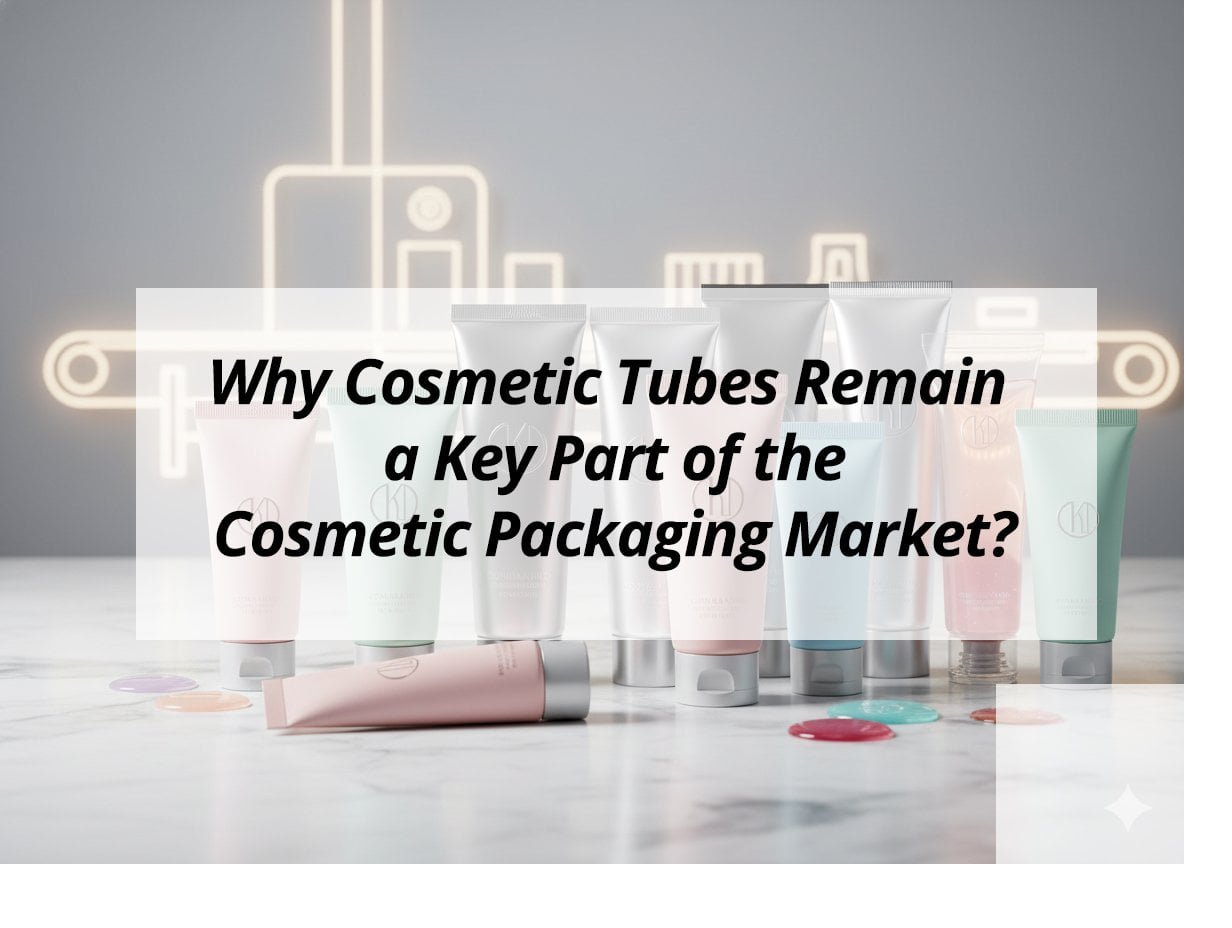
A cosmetic tube is a flexible container. It holds products such as creams, gels, and lotions. Tubes are typically made from plastic. They feature a cylindrical body. Product dispenses by squeezing the tube.
Tubes are significant in packaging because they offer good protection. They are also easy to customize. They shield products from air exposure and contamination.
Different Kinds of Cosmetic Tubes
Cosmetic tubes are available in various types. Each type serves different product requirements. Knowledge of these types helps in informed selection.
- Plastic Tubes: These are widely used. They offer flexibility and cost-effectiveness. They suit products like lotions and creams.
- Laminated Tubes: These tubes consist of multiple layers. They provide strong protection for sensitive formulations. They are often used for products like toothpaste. They create an excellent barrier against external elements.
- Aluminum Tubes: These tubes are rigid and provide a strong barrier. They block air and light effectively. Aluminum tubes are suitable for products requiring maximum protection. Examples include hair dyes or pharmaceutical creams.
| Tube Material | Main Benefits | Common Uses |
|---|---|---|
| Plastic | Flexible, economical | Lotions, creams |
| Laminated | Enhanced barrier | Sensitive formulas |
| Aluminum | Strong barrier, rigid | Hair dyes, ointments |
Material selection is crucial. For a premium serum, a laminated tube might be chosen to preserve product integrity. For a standard hand cream, plastic tubes2 offer a practical and affordable option.
How Cosmetic Tubes Are Manufactured
The production of cosmetic tubes involves several stages. Injection molding is a common process. This method ensures durable and consistent tubes.
- Extrusion: Plastic raw materials are melted and formed into a continuous tube. This creates the main body.
- Heading: A shoulder and neck are attached to one end of the tube. This forms the opening.
- Printing: Designs, branding, and product information are applied to the tube surface. Custom logos are a common feature.
- Capping: The appropriate cap is applied. This completes the tube's assembly.
Precision in each manufacturing step is essential. This results in high-quality packaging. Effective manufacturing processes help prevent defects like leaks. Quality control ensures products meet expected standards.
Important Tube Features
Cosmetic tubes incorporate features that enhance functionality. These design elements improve user experience.
- Dispensing Mechanisms: Tubes can have various closures. These include flip-top caps, screw caps, or pump applicators. These options facilitate controlled product dispensing.
- Barrier Properties: Effective tubes prevent the ingress of air and light. This preserves the cosmetic product's freshness. It also extends its shelf life.
- Size and Shape: Tubes come in a range of sizes. These vary from small travel sizes to large bulk containers. Shapes can be round or oval, depending on brand aesthetics.
These features are important for consumers. A tube that dispenses product smoothly offers a good experience. Superior barrier properties contribute to longer product stability. These benefits are important for both suppliers and end-users.
What are the segments of the cosmetics market?
The cosmetics market is extensive and diverse. Understanding its various segments helps clarify product positioning and market opportunities.
The cosmetics market comprises several key segments. These include skincare, makeup, hair care, and fragrances. Each segment has distinct product needs and market dynamics. These factors influence packaging decisions.
The market shows continuous growth and adaptation. Customers often specialize in one or two segments. This indicates the specialized nature of the industry.
Skincare Market Segment
Skincare represents a significant portion of the cosmetics market. It includes products for facial and body care. Daily routines often involve cleansers, moisturizers, and serums.
- Growth Drivers: Increased consumer awareness of skin health drives this segment. Demand for anti-aging products and natural ingredients is high.
- Packaging Needs: Skincare products often require robust protection. Airless pumps and vacuum bottles are popular. They maintain the stability of sensitive formulations. Cream jars and lotion bottles are also common.
- Product Examples: Lotions, creams, serums, face masks, sunscreens.
Packaging for skincare must ensure product cleanliness and efficacy. Compromised packaging can degrade a product's performance. Options such as vacuum bottles and lotion bottles are well-suited for skincare.
Makeup Market Segment
Makeup products enhance appearance. This segment covers items for the face, eyes, and lips. It is a highly innovative and trend-driven market.
- Growth Drivers: Social media and beauty influencers strongly influence trends. Consumers seek new colors and innovative products. Personalization is a key factor.
- Packaging Needs: Makeup packaging often requires aesthetic appeal. It also needs to be functional. Lipstick tubes, lip gloss tubes, and eyeshadow cases are essential. Eyeliner and mascara tubes are also important components.
- Product Examples: Foundations, powders, lipsticks, mascaras, eyeshadows.
Presentation is crucial in the makeup segment. Visually appealing packaging can attract consumers. Packaging solutions often feature diverse designs and custom branding options. This helps products achieve market distinction.
Hair Care Market Segment
Hair care focuses on maintaining healthy and styled hair. This segment includes shampoos, conditioners, and styling products.
- Growth Drivers: Consumer demand for products targeting specific hair types is increasing. There is also a strong preference for natural and sustainable options. Hair treatments are also experiencing growth.
- Packaging Needs: Hair care products commonly use bottles or jars. They need to be durable. Pumps are frequently used for convenient dispensing.
- Product Examples: Shampoos, conditioners, hair masks, styling gels.
While larger hair care bottles are distinct, some smaller hair treatment products can utilize cream jars or smaller lotion bottles. Matching packaging to product volume and application is important.
Other Segments
Beyond the primary categories, other segments contribute to the cosmetics market. These include fragrances and personal care items.
- Fragrances: This segment involves perfumes and colognes. Packaging typically consists of glass bottles. Visual appeal is paramount.
- Personal Care: This category encompasses products like body wash and deodorants. Packaging is generally practical and straightforward.
Each market segment presents unique demands. Packaging solutions must be tailored to fit the specific product type and market context.
What is the biggest trend in the beauty industry?
Staying current with beauty industry trends is essential. One particular trend holds significant importance. Neglecting it can lead to competitive disadvantages.
The dominant trend in the beauty industry is sustainability. Consumers increasingly demand environmentally responsible products and packaging. This influences all aspects of product development and marketing.
This shift has been observed over time. Discussions with clients frequently involve eco-friendly options. Brands that do not adopt sustainable practices may face challenges. Manufacturers consistently seek improved production methods.
Focus on Eco-Friendly Materials
Brands are increasingly adopting sustainable materials. This aims to reduce plastic waste. It also emphasizes the use of recyclable or reusable materials.
- Recycled Plastics: Many companies use PCR (Post-Consumer Recycled) plastic. This material is derived from reclaimed plastic waste. Its use helps reduce the reliance on virgin plastic production.
- Bio-Based Plastics: These plastics originate from renewable plant sources. They offer an alternative to petroleum-based plastics. Common sources include corn starch or sugarcane.
- Glass and Aluminum: These materials are highly recyclable. They provide robust protection for various products.
Inquiries about recycled materials are frequent. Efforts are ongoing to expand the range of sustainable material offerings. Reducing environmental impact is a significant objective.
| Material Type | Sustainability Benefit | Challenges |
|---|---|---|
| PCR Plastic | Reduces virgin plastic use | Supply chain variability |
| Bio-Based Plastic | Renewable resource | Cost, material properties |
| Glass | High recyclability | Fragility, weight |
| Aluminum | Infinitely recyclable | Cost, potential for dents |
Selecting sustainable materials involves careful consideration. It balances cost, performance, and environmental impact. Evaluating these factors helps identify optimal solutions.
Refillable and Reusable Packaging
Reusable packaging is another key aspect of sustainability. This approach minimizes waste. It also fosters customer loyalty.
- Refill Systems: Consumers purchase an initial product in a durable container. Subsequent purchases involve simpler, more economical refills. This conserves resources and can reduce costs.
- Modular Designs: Some packaging allows for component replacement. For example, an internal container can be swapped while the outer casing remains.
- Consumer Engagement: Brands communicate their sustainability efforts to customers. They educate on refilling and recycling practices.
Demand for refillable cream jars and air cushion cases is increasing. This trend reflects consumer desire for environmental responsibility. Offering refillable options can enhance brand appeal.
Clean Beauty and Transparency
Consumers seek detailed information about product ingredients and manufacturing. Brands are expected to demonstrate honesty and openness.
- Ingredient Sourcing: Brands disclose the origin of their ingredients. They ensure ethical and safe sourcing practices.
- Manufacturing Practices: Companies provide insight into their production processes. They ensure fair labor and environmentally sound operations.
- Certifications: Labels such as "organic" or "cruelty-free" are important. These certifications3 build consumer trust.
This trend extends to packaging as well. Consumers inquire about packaging safety and material origins. Providing clear information is crucial. Transparency helps establish trust with B2B clients and their end-consumers.
How big is the cosmetic packaging market?
The cosmetic packaging market4 is a vast industry. Its scale indicates significant opportunities for businesses within the sector.
The cosmetic packaging market is substantial and continues to expand. Billions of dollars are spent annually on packaging components. This growth is driven by increasing global consumption of beauty products.
The industry has shown consistent expansion over time. The market's broad reach is evident through international client engagement.
Market Size and Growth
The global cosmetic packaging market is valued in the tens of billions of dollars. Projections indicate sustained growth in the coming years.
- Market Value: In 2023, the global cosmetic packaging market was estimated to exceed tens of billions of US dollars.
- Growth Rate: A steady annual growth rate, typically between 5% and 7%, is anticipated.
- Drivers: Rising disposable incomes, evolving beauty trends, and increasing demand from developing economies contribute to this growth.
This consistent growth provides stability for suppliers. It also broadens choices for buyers. A robust market supports investment in new technologies and manufacturing capabilities.
| Market Segment | Key Packaging Needs | Growth Factors |
|---|---|---|
| Skincare | Airless pumps, jars, bottles | Anti-aging, natural ingredients |
| Makeup | Tubes, compacts, palettes, bottles | Fashion trends, social media |
| Hair Care | Bottles, jars, tubes | Specific hair types, scalp health |
| Fragrance | Glass bottles, atomizers | Luxury appeal, diverse scents |
Each market segment contributes to the overall market size. Skincare packaging holds a large share, as does makeup packaging5. Products like lipstick tubes and cream jars are integral to these segments.
Key Regions Driving the Market
Specific regions globally are leading contributors to the growth of cosmetic packaging. These areas feature strong economies and high demand for beauty products.
- Asia-Pacific: This is the largest market region. Countries like China and India have large populations and growing middle-class segments. There is strong export activity to Southeast Asia.
- North America: This is a mature market known for innovation. It emphasizes premium and sustainable packaging solutions.
- Europe: Europe also represents a mature market. It focuses on luxury packaging and adheres to strict regulatory standards.
- Middle East and South America: These are emerging markets experiencing rapid demand growth. Export volumes to these regions are notable.
Focus on exports to Southeast Asia, the Middle East, and South America highlights active growth in these regions. The global nature of this market requires engagement with diverse client bases.
Future Outlook and Innovations
The future of cosmetic packaging appears promising. New technologies and materials are expected to continue shaping the industry.
- Smart Packaging: Packaging that offers interactive features. This could include product usage tracking or expiry date indicators.
- Personalization: Packaging designed for easy customization for individual consumers. Technologies like 3D printing may become more prevalent.
- Advanced Materials: Development of new materials that offer enhanced sustainability or superior protective qualities.
Innovation is a crucial factor. Continuous efforts are made to improve packaging offerings. The goal is to meet future market demands. This ensures the continued relevance of cosmetic tubes.
My insights: Why Cosmetic Tubes Continue to Dominate the Packaging Market
Concerned about finding efficient and versatile packaging solutions? Discover why cosmetic tubes remain indispensable in the beauty industry.
Cosmetic tubes are lightweight, portable, and cost-effective, providing excellent barrier protection and hygienic usage. Their versatility accommodates various formulations, supporting sustainable options through recyclable materials, making them a staple in cosmetic packaging.
The Multifaceted Appeal of Cosmetic Tubes
1. Functional and User-Friendly:
- Convenience: Lightweight and squeezable, tubes offer controlled dispensing, perfect for on-the-go usage.
- Protection: Leak-resistant and travel-friendly, they cater to modern skincare and e-commerce needs.
2. Hygiene and Product Protection:
- Contamination Reduction: Sealed openings limit air and hand contact, safeguarding product integrity.
- Barrier Protection: Multi-layer designs preserve active ingredients from oxygen and moisture.
3. Cost Efficiency and Versatility:
| Aspect | Details | Benefits |
|---|---|---|
| Production | Economical and scalable for mass production | Lowers unit cost, ideal for global distribution |
| Product Range | Suitable for various viscosities and formulas | Supports diverse product lines |
| Size Flexibility | From 3 ml samples to 300+ ml formats | Accommodates sampling to family-size needs |
4. Branding and Sustainability:
- Customization: Extensive decoration options enhance brand positioning.
- Eco-Friendly Options: PCR plastics, recyclable materials, and bio-based solutions cater to sustainability demands without sacrificing tube benefits.
Cosmetic tubes remain a cornerstone of packaging solutions, balancing efficiency, protection, and environmental responsibility to meet intricate industry demands.
Conclusion
Cosmetic tubes are a cornerstone of cosmetic packaging. They provide essential protection and user ease. The market for them is expansive and continues to expand.
-
Explore the definition and applications of cosmetic tubes to understand their importance in packaging. ↩
-
Find out why plastic tubes are a popular choice for many cosmetic products. ↩
-
Explore the certifications that enhance product credibility and consumer confidence. ↩
-
Explore insights into the vast opportunities and growth trends in the cosmetic packaging market. ↩
-
Explore the latest trends and technologies that are transforming makeup packaging solutions. ↩