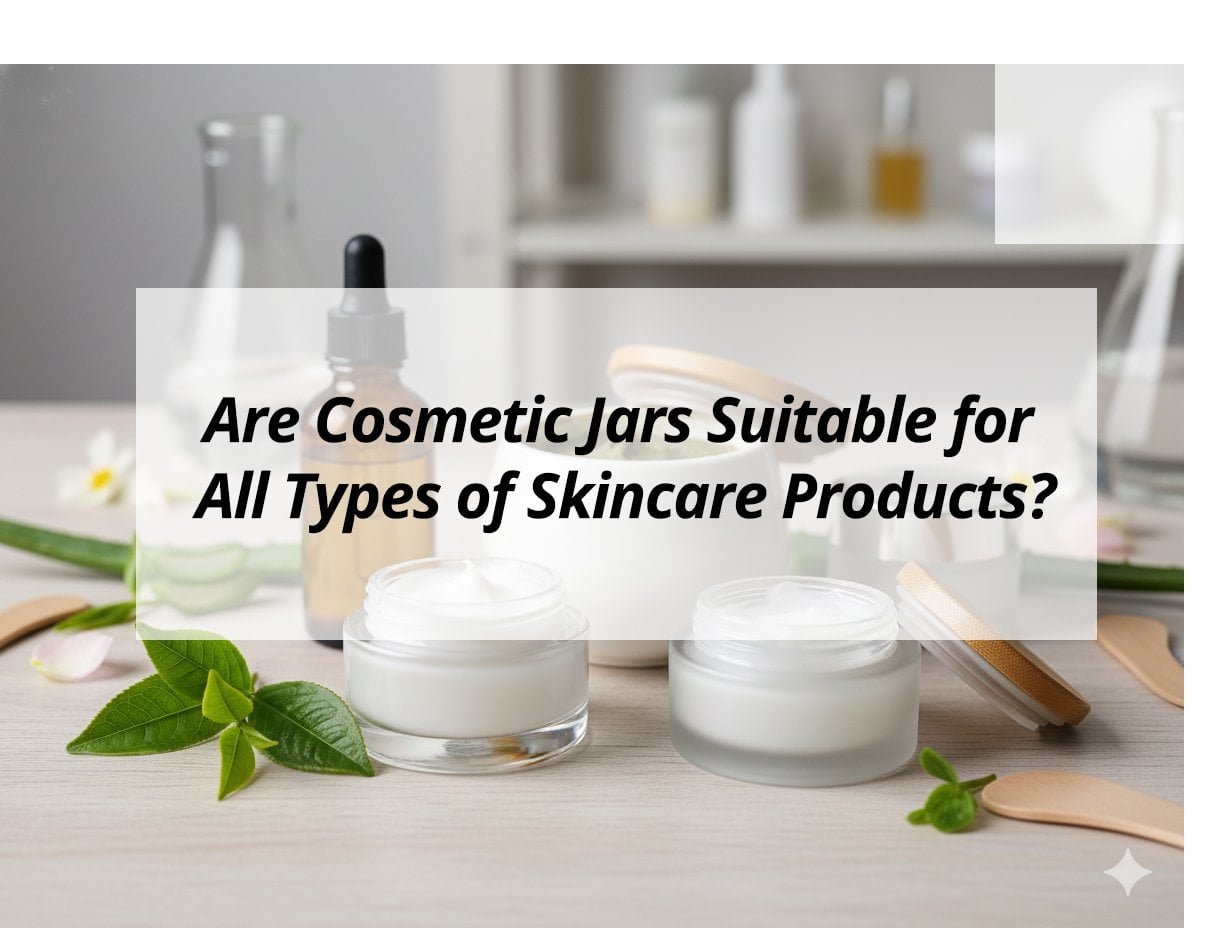
Cosmetic jars are a staple in skincare packaging, but are they truly suitable for every type of product? Exploring their versatility might unveil some surprising insights.
Cosmetic jars offer a broad utility in packaging, including creams, balms, and lotions. However, suitability heavily depends on the product consistency and preservation needs. Understanding these factors ensures that the chosen packaging maintains product integrity and extends shelf life effectively.
Balancing aesthetic appeal with functionality is key in selecting the right packaging. Let's dive deeper into how cosmetic jars measure up for different skincare formulations.
What is the 1% rule in skincare?
You're investing in high-quality skincare, but are you maximizing its effectiveness? Understanding how ingredients play a role can be vital.
The 1% rule in skincare refers to the optimal concentration of active ingredients in formulations to ensure efficacy without causing irritation. Products featuring actives within this limit can be safely stored in cosmetic jars, boosting their shelf-life while maintaining usability.
When selecting skincare, it's crucial to assess ingredient concentration1 for efficacy. Here's a closer look at maintaining this balance:
Ensuring Effective Formulations
| Aspect | Details |
|---|---|
| Concentration Check | Verify active ingredients are listed near the top of formulation lists to gauge adequacy. |
| Preservation Needs | For stability, choose jars with airtight seals to prolong freshness. |
| Gentle Usage | Using a spatula can prevent contamination and ensure each use remains effective. |
Navigating ingredient lists with the 1% rule aids in choosing effective but gentle solutions, optimizing your skincare investment.
What not to put in a skincare fridge?
Does storing skincare in a fridge improve longevity? The answer might surprise you.
Not all skincare products benefit from refrigeration. Avoid placing oil-based serums and clay masks in skincare fridges as they can alter consistency and efficacy. Properly storing jars ensures their contents remain stable and effective.
Knowing which items suit cooler storage preserves product quality while preventing degradation:
Fridge Storage Guidelines
- Temperature Sensitivity: Refrain from refrigerating oil-based items; they may separate or lose potency.
- Consistency Concerns: Clay masks may harden and become less effective when chilled.
- Jar Seal Importance: Ensure jar lids are firmly sealed before storage to prevent condensation damage.
Minimizing errors by selectively refrigerating skincare promotes longer-lasting and effective benefits for your daily routine.
Can I put lotion in a jar?
Packaging can either enhance or hinder product effectiveness. Is jar storage right for lotions?
Lotion storage in jars is plausible but requires careful selection. Jars with airtight seals prevent oxidation, preserving texture and quality. It’s essential to select jars based on lotion thickness and intended usage frequency.
Smart choices in packaging amplify product benefits and user experience:
Lotion Jar Usage Insights
- Seal Efficiency: Airtight jars reduce oxidation, keeping lotions silky smooth for longer.
- Consistency Consideration: Optimal for thicker lotions that won’t spill or leak.
- Usage Practicality: Regular tightening of lids post-use avoids contamination.
Prioritizing secure and practical jar choices ensures lotions remain effective and elegant every time you apply them.
What is the difference between cosmetic and skin care products?
Navigating the aisle of cosmetic versus skincare products can be overwhelming. Each serves unique purposes in beauty routines.
Cosmetic products, generally focused on enhancing appearance, differ from skincare necessities. Skincare products aim to nourish and protect skin health. Jars used for cosmetics need to be elegant, while skincare jars prioritize functionality to maintain product properties.
Understanding these differences allows informed packaging decisions and usage:
Key Distinctions in Packaging
| Aspect | Details |
|---|---|
| Purpose Definition | Cosmetics enhance aesthetics; skincare supports health. |
| Jar Selection | Cosmetics require visually appealing packaging while skincare values preserving product efficacy. |
| Practical Application | Functionality in placement impacts product preservation and user satisfaction. |
Grasping these distinctions empowers more effective selections in packaging solutions tailored to product nature.
My insights: Are Cosmetic Jars Suitable for All Types of Skincare Products?
Worried if cosmetic jars meet your skincare needs? Discover which products they suit best and avoid formulation pitfalls.
Cosmetic jars are ideal for thick creams and balms but unsuitable for skincare products with active ingredients or those sensitive to air and light. Opt for airless or opaque jars to maximize product stability and minimize contamination.
Evaluating the Suitability of Cosmetic Jars for Skincare
Applications and Benefits:
Cosmetic jars excel with thick, scoopable products like creams, balms, and body butters, offering easy access and luxurious presentation. They can be made from diverse materials, such as glass or PET, providing preservation benefits, especially if using UV-protected glass for natural formulations.
Challenges and Limitations:
However, jars present contamination risks for thinner liquids like serums, which can lead to bacterial growth2 from repeated finger contact. Products with active ingredients3 requiring protection from air and light are better suited to airless pumps or tubes to maintain efficacy.
Material and Design Considerations:
Not all jar materials are compatible with every formula; some plastics might react with ingredients like essential oils. Considerations should also include the jar design, such as double-walled construction for added protection and innovative dispensers to reduce contamination.
| Aspect | Details and Considerations |
|---|---|
| Best Uses | Suitable for thick products, using materials like glass and PET. |
| Limitations | Unsuitable for thin or sensitive products; contamination risks. |
| Compatibility and Design | Consider material reactions and opt for protective, preserving designs. |
Understanding these considerations helps skincare brands choose the appropriate packaging for their formulations, enhancing product integrity and consumer satisfaction.
Conclusion
Choosing suitable packaging, like cosmetic jars, ensures optimal product longevity and usability. Understanding compatibility based on product type secures user satisfaction and skincare efficacy.