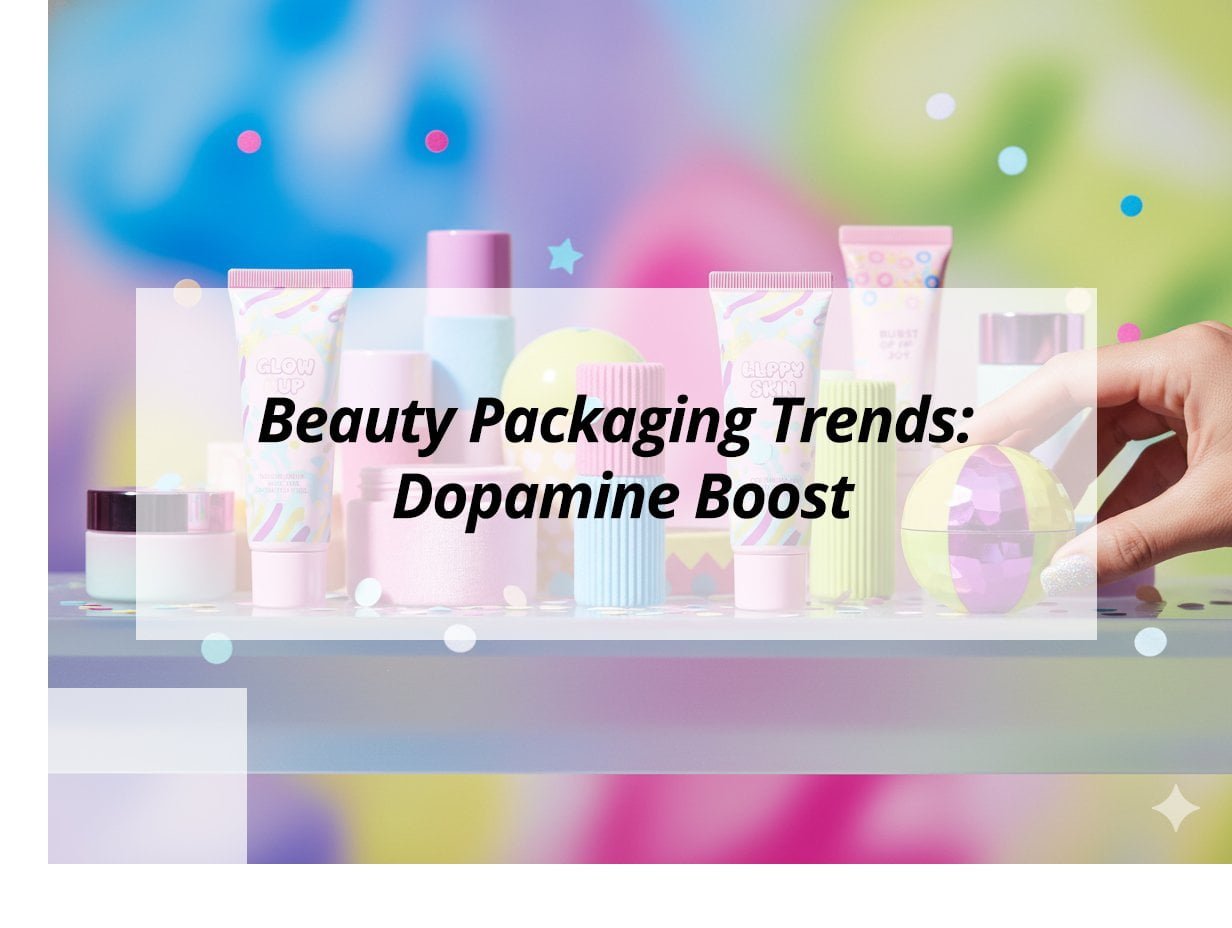
The beauty industry constantly evolves, with packaging playing a crucial role. New trends emerge regularly, currently highlighting packaging that evokes positive emotions and joy.
The biggest trend in beauty packaging right now is the "dopamine boost" effect, emphasizing vibrant colors, playful designs, and textures that bring joy and excitement. This trend aims to create a strong emotional connection with consumers, making the unboxing experience more engaging and memorable. It reflects a wider shift toward mood-enhancing and personalized products in the beauty market.
In today's fast-paced market, standing out is essential. Consumers seek more than just products; they desire experiences. This analysis explores what makes beauty packaging truly impactful today.
What is the Biggest Trend in the Beauty Industry?
Many wonder what truly drives sales and excitement in beauty now. It is more than just new ingredients; it is about how products make individuals feel. This is where "dopamine beauty" becomes significant.
The biggest trend in the beauty industry is "dopamine beauty," focusing on products and packaging that elicit positive emotions, joy, and a sense of well-being. This trend incorporates bright colors, engaging textures, and playful designs. Its goal is to create an exciting and uplifting experience for consumers, moving beyond traditional aesthetics to foster an emotional connection.
The impact of this trend is evident. Buyers who prioritize quality seek packaging that goes beyond mere protection. They want something that enhances the overall experience. Opening a product should evoke happiness. This simple concept profoundly affects consumer perception. This trend is not solely about visual appeal; it is about emotional resonance. It connects with consumers on a deeper level, helping brands build loyalty and creating a moment of joy with each product use.
The Rise of Emotional Design in Packaging
Emotional design is not a new concept, but its importance in beauty packaging is growing. It involves using colors, shapes, and textures to create specific feelings. For instance, bright yellows and oranges often convey happiness.
- Color Psychology:
- Yellow: Happiness, energy.
- Orange: Enthusiasm, creativity.
- Pink: Playfulness, charm.
- Blue: Calm, trust (though less common for "dopamine").
How Brands are Using Dopamine Packaging
Many brands are already embracing this trend. They utilize bold colors and unique shapes. Requests for custom packaging with vibrant finishes are common. These designs achieve prominence on shelves, capturing attention. This is vital for brand companies and packaging buyers who need products that resonate with consumers. This trend is not just about looks; it is about how the packaging makes you feel before you even use the product. It’s about creating an immediate, positive interaction.
| Element | Dopamine Effect | Packaging Application |
|---|---|---|
| Bright Colors | Instant mood lift, eye-catching | Vibrant air cushion cases |
| Unique Shapes | Playful, memorable, distinctive | Asymmetrical lotion bottles |
| Tactile Finishes | Engaging sensory experience | Soft-touch cream jars |
| Interactive Elements | Fun, encourages engagement | Twist-up eyeliner tubes |
Anecdote on Color Impact
There was a project where a client requested lipstick tubes in colors that seemed unusually bold at the time. They specified electric blue and neon green, explaining it was for a younger target market aiming for fun and individuality. Though initially unconventional, the resulting products were highly successful. This experience highlighted how bold color choices in packaging can effectively connect with consumer emotions and desires.
What is the Packaging Trend for Gen Z?
Gen Z consumers represent a distinct demographic. They are digital natives who value authenticity. What type of packaging captures their interest? It is often about individuality rather than traditional luxury.
The packaging trend for Gen Z emphasizes authenticity, sustainability, and personal expression, frequently incorporating bright colors, unique textures, and playful graphics. Gen Z prioritizes transparency, ethical sourcing, and eco-friendly materials. They also seek packaging that is visually appealing and shareable on social media, reflecting their individuality. This group is attracted to brands that are bold, honest, and environmentally conscious.
Understanding Gen Z involves recognizing their core values. They are environmentally conscious and seek transparency regarding product contents. They also desire packaging that photographs well for social media. Meeting these diverse needs includes offering customizable packaging1 options for various products, from mascara tubes to vacuum bottles. A mere logo is insufficient; the packaging must communicate effectively with the consumer. This generation is discerning; they quickly identify inauthenticity. Thus, clear communication and genuine efforts in sustainability are crucial. This approach focuses on building connections based on shared values.
Sustainability and Transparency
Gen Z exhibits strong environmental awareness. They prefer brands that use sustainable packaging, including recyclable materials, refillable options, and reduced waste. Requests for PCR (Post-Consumer Recycled) materials and minimalistic packaging designs are frequent.
- Eco-Friendly Materials:
- PCR Plastics
- Glass
- Bamboo
- Recyclable paperboard
Personalization and Self-Expression
Gen Z values self-expression. They desire packaging that feels unique to them, which can manifest as custom colors, distinctive finishes, or limited-edition designs. This is observed in requests for custom eyeshadow cases, aiming for differentiation. This approach makes products feel special and promotes online sharing.
Social Media Appeal
Packaging designed for social media appeal is essential for Gen Z. This includes bright colors, interesting shapes, and unique textures. They seek visuals that stand out in their social feeds, aligning with the "dopamine boost" trend. A visually exciting product is more likely to be shared digitally.
| Gen Z Value | Packaging Feature | Impact |
|---|---|---|
| Sustainability | Recycled/refillable materials | Reduces environmental footprint |
| Authenticity | Clear ingredient labeling, honest branding | Builds trust and transparency |
| Self-Expression | Customizable designs, vibrant colors | Allows for individuality |
| Social Media Shareability | Visually appealing, unique aesthetics | Boosts brand visibility |
The Role of Brand Storytelling
Gen Z values the narrative behind a brand, including material origins and ethical production. Emphasizing transparent manufacturing processes and quality control builds trust with consumers. This meets the demand for clear and reliable information in sourcing.
Which is the Most Recent New Trend in Packaging and Labeling?
The beauty industry continuously innovates, with new concepts regularly emerging in packaging and labeling. The latest trends focus not just on product containment but on how the packaging itself communicates.
The most recent new trend in packaging and labeling involves the integration of smart packaging technologies and minimalist "clean" aesthetics, often combined with interactive digital elements. This includes QR codes linking to augmented reality experiences, NFC tags for product authentication, and labels optimized for digital sharing. Simultaneously, there is a strong emphasis on simplified, transparent labeling that clearly conveys sustainable and ethical brand values to consumers.
Technology is transforming packaging. Buyers are consistently seeking advantages, desiring packaging that offers more than containment. They want packaging to connect with their customers in novel ways. This is where smart packaging becomes relevant, transforming packaging into an experience. This could involve a QR code leading to a virtual try-on tool or a label detailing every ingredient. It is about transparency and engagement, particularly important for those who demand high quality and clear information, requiring trust in their purchases.
Smart Packaging Technologies
Smart packaging utilizes technology to enhance the user experience. This can encompass QR codes, NFC tags, and Augmented Reality (AR). Interest in integrating these into various packaging types, from lotion bottles to cream jars, is growing.
- QR Codes:
- Link to detailed product information.
- Facilitate virtual try-on experiences.
- Provide access to loyalty programs.
- NFC Tags:
- Enable product authentication.
- Enhance supply chain transparency.
- Deliver personalized content.
The "Clean" Aesthetic and Labeling
Alongside the rise of smart technology, there is a trend toward minimalist and "clean" aesthetics. This involves simple designs and clear, concise labeling. Consumers want to easily understand their purchases, seeking clean ingredients and transparent sourcing, especially prevalent in skincare products.
- Key Elements of Clean Labeling:
- Clear ingredient lists.
- Simple, readable fonts.
- Focus on natural or organic claims.
- Sustainable certifications.
Interactive and Engaging Labels
Labels are evolving beyond mere information delivery; they are becoming interactive. Brands use labels for storytelling, incorporating unique textures or revealing hidden messages when peeled. This contributes to the "dopamine boost" effect, making the unboxing experience more exciting.
| Trend Aspect | Benefit for Brands | Packaging Application |
|---|---|---|
| Smart Tech Integration | Enhanced customer engagement, authenticity | QR codes on vacuum bottles for product info |
| Minimalist Design | Perceived transparency, premium feel | Simple, elegant designs for lipstick tubes |
| Interactive Labels | Memorable unboxing, social sharing | Textured labels on eyeshadow cases |
| Sustainability Claims | Appeals to eco-conscious consumers | Labels highlighting PCR material use |
The Importance of Clear Communication
Clear and direct communication is consistently prioritized. Smart packaging and clear labeling contribute to this, reducing the need for extensive inquiries. The product's packaging effectively conveys its message, benefiting B2B buyers by saving time and fostering trust.
What are the Trends in Packaging Design 2026?
Looking forward, what will beauty packaging entail in 2026? The future will be shaped by current innovations, with technology and sustainability playing increasingly significant roles.
By 2026, packaging design will be characterized by hyper-personalization, advanced sustainable materials, and a seamless integration of digital and physical experiences. Expect to see a rise in AI-driven design processes, smart refill systems, and packaging that adapts to individual consumer preferences. The focus will be on creating circular economy solutions, where packaging is easily reused, refilled, or composted, alongside designs that offer unique, interactive sensory experiences.
Anticipating future needs is a continuous objective. This involves investing in new technologies and materials. For example, exploring more advanced biodegradable plastics and considering how to make existing products more modular for easier refilling or recycling. The future of packaging aims to be not just aesthetically pleasing but also intelligent and responsible. Consumers will expect both innovation and reliability.
Hyper-Personalization and AI
Artificial intelligence (AI) will increasingly influence design, helping to create truly unique packaging for individual consumers. Imagine a lipstick tube specifically designed for you. This exemplifies the direction of personalization. AI can analyze trends and consumer data to suggest designs appealing to specific demographics.
- AI in Packaging Design:
- Predicting consumer preferences.
- Generating unique design variations.
- Optimizing material usage.
- Creating adaptive packaging.
Advanced Sustainable Materials
The emphasis on sustainability will intensify. By 2026, even more innovative materials are expected, including fully compostable or infinitely recyclable options. Brands will invest in closed-loop systems, ensuring packaging materials are repeatedly reused.
- Future Sustainable Materials:
- Bio-plastics from algae or fungi.
- Water-soluble packaging.
- Advanced recycled composites.
- Self-healing materials for longevity.
The Blended Digital and Physical Experience
The distinction between online and offline experiences will further diminish. Packaging will serve as a gateway to digital interactions, potentially through AR filters or virtual try-on applications. The physical packaging will trigger these digital engagements, creating a richer, more immersive customer journey.
| Future Trend | Expected Impact | Preparation Strategies |
|---|---|---|
| Hyper-Personalization | Tailored products, stronger brand loyalty | Expanding customization options, exploring AI tools |
| Advanced Circularity | Minimal waste, reduced environmental footprint | Investing in new bio-materials, developing refill systems |
| Seamless Digital Integration | Enhanced user experience, interactive engagement | Researching AR/NFC applications for packaging |
| Adaptive Packaging | Packaging that can change function or appearance | Developing modular designs for versatile use |
Preparing for the Future
Preparing for 2026 involves continuous learning, including attending trade shows, researching new technologies, and actively listening to customer feedback. Suppliers must keep pace with the evolving needs of brand companies and finished product factories. A commitment to superior quality and customization ensures partners are well-equipped for the future of beauty.
My Insights: Embracing the Dopamine Boost in Beauty Packaging
Feeling overwhelmed by mundane packaging? Discover how dopamine boost trends in beauty packaging can brighten your mood and enhance your shopping experience.
The “Dopamine Boost” trend in beauty packaging utilizes vibrant colors, playful designs, and interactive elements to evoke joy and emotional connection. This approach transforms packaging into a mood-lifting experience, appealing to consumers seeking positive and engaging products.
Understanding the Dopamine Boost Trend in Beauty Packaging
What is the “Dopamine Boost” Trend?
- Focuses on creating positive emotional connections by using bold colors and playful designs.
- Packaging becomes a source of joy and anticipation, providing instant gratification.
Key Visual Elements:
- Color Palettes: Vibrant and clashing combinations evoke cheerfulness and stand out visually.
- Design: Playful graphics and bold patterns enhance the pack's energetic feel.
Sensory and Emotional Cues:
- Tactile Finishes: Embossing, holographic effects, and soft-touch textures add a multisensory layer.
- Interactive Formats: Fun applicators and secondary boxes encourage playful engagement.
Gen Z Influence and Application:
- Gen Z gravitates toward engaging designs that boost mood and are social-media-ready.
- Brands should incorporate high-energy aesthetics while maintaining eco-friendly practices.
| Element | Purpose |
|---|---|
| Vibrant Colors | Evoke positive emotions |
| Playful Designs | Enhance engagement and connection |
| Tactile Features | Add a multisensory, feel-good experience |
| Gen Z Appeal | Target younger consumers seeking joy |
By adopting dopamine boost strategies, brands can deliver packaging that delights and connects with consumers on an emotional level.
Conclusion
Beauty packaging is rapidly transforming, driven by "dopamine boost" designs and smart technology. From vibrant aesthetics for Gen Z to advanced sustainable materials, the future prioritizes emotional connection and responsible innovation.
-
Understand the value of customizable packaging in promoting self-expression and individuality. ↩