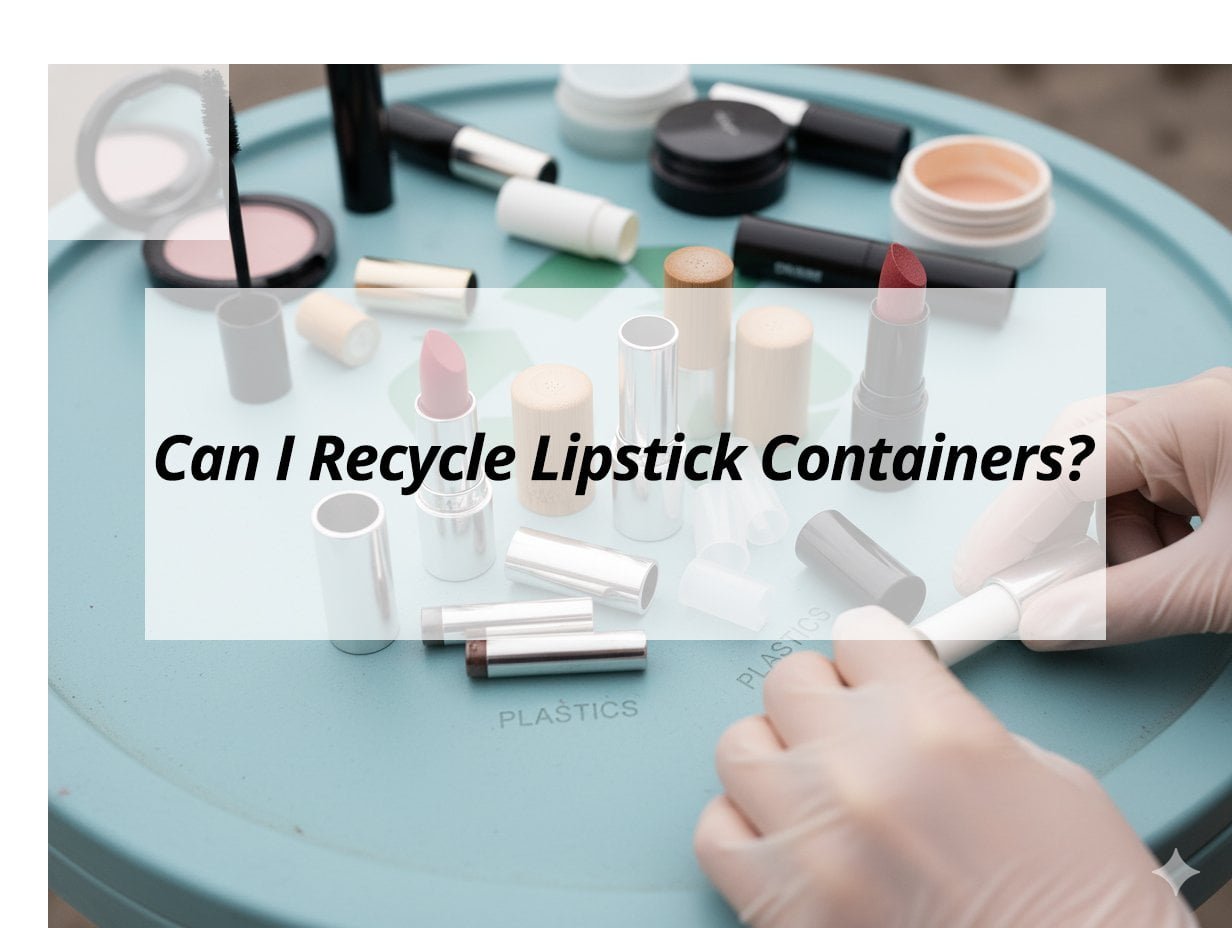
The allure of lipstick is undeniable, but what happens when the tube is empty? Many wonder, are these containers recyclable and how should you dispose of them responsibly?
Lipstick containers can often be recycled, but it's essential to know the materials involved. Check local recycling guidelines and use programs like MAC’s Back-to-M·A·C to ensure proper handling, reducing waste effectively. Such efforts contribute to sustainable practices, making your beauty routine more environmentally friendly.
Recycling helps reduce environmental impact. Continue reading to discover practical steps and insights on managing your cosmetic waste more effectively.
What to do with an empty lipstick container?
You've finished your favorite shade, now what? Many people are unsure of the next steps.
Instead of tossing them, consider repurposing or recycling empty lipstick containers. Brands like MAC offer programs to reward returns. Additionally, cleaning them and checking local recycling options can help you manage waste responsibly.
Creative Recycling Solutions
Understanding what to do with an empty lipstick container1 begins with awareness and action. Many cosmetics brands support recycling initiatives to help reduce waste. For instance, how does Sephora recycle makeup containers2? They offer in-store collection points, returning collected items to facilities for proper processing. Another way is handling these at home. Start by cleaning the containers. Remove any leftover product using an oil-based remover, then wash with soap and water.
Cleaning Tips:
- Oil-Based Remover: Breaks down product residue.
- Warm Water and Soap: Rinse thoroughly to remove oils.
- Dry Completely: Ensure no moisture remains to prevent mold.
By knowing where you can recycle old makeup containers, you’re contributing positively to the environment. Check community recycling programs3; many accept cosmetic packaging or offer special drop-off events.
Repurposing Ideas:
| Use | Description |
|---|---|
| Travel Containers | Store small amounts of lotion |
| Sample Cases | Use for product samples or crafts |
What to do with old cosmetic containers?
What happens to all those bottles and jars? Many are left wondering how best to dispose of them.
Old cosmetic containers shouldn't just end up in landfills. Repurpose them or use industry recycling programs to give them a new life. Check local recycling requirements to ensure they're processed right.
Navigating Recycling Programs
Dealing with old cosmetic containers requires more than just good intentions; it involves informed decisions. Recycling skincare containers can be straightforward if approached methodically. Begin by understanding whether your materials are truly recyclable. Contact local facilities and inquire specifically. Some might accept containers that others do not.
Steps to Recycling:
- Identify Material: Separate plastics, glass, and metals.
- Check Local Guidelines: Verify with municipal policies.
- Utilize Brand Programs: Many brands have take-back initiatives.
Can you recycle mascara tubes? Often, yes, but it’s crucial to clean them thoroughly first. Similar methods apply: break down any product with a makeup remover, clean well, and ensure dry before disposal.
Community Initiatives:
- Local Recycling Drives: Find events dedicated to cosmetics.
- Brand Collaborations: Look for brands partnered with recycling firms.
What is surprisingly not recyclable?
Think all packaging is recyclable? Unfortunately, that's not always the case.
Many cosmetic items deceive by looking recyclable but include non-recyclable parts. Pump mechanisms, mirrored compacts, and hybrid materials often fall into this category, requiring alternative disposal methods.
Identifying Non-Recyclable Components
The surprising realm of non-recyclables reveals that not all containers make the cut. Even when breaking down items, some parts, like metal springs in pumps or mixed-material packaging, defy easy recycling. Understanding these exceptions prevents contamination of recycling bins and adheres to eco-friendly practices.
Common Non-Recyclables:
- Mirrored Compacts: Mirrors complicate recycling due to coating.
- Metal Springs/Pumps: Mixed material remains non-recyclable.
- Non-Clean Plastic Tubes: Residual product and composite materials hinder processing.
By learning how to clean makeup containers for recycling4, the focus shifts to improving recyclable material quality. Proper cleaning ensures they meet recycling standards, reducing landfill contributions.
Handling Challenges:
- Separate Components: Disassemble parts for possible reuse.
- Creative Reuses: Find alternative uses, like storage.
How many MAC empties for a free lipstick?
A little incentive never hurts. But how exactly does this MAC program work?
Return six MAC primary packaging containers to receive a complimentary lipstick. It's a win-win: reducing waste while scoring a new product! This initiative encourages consumers to participate actively in eco-friendly practices.
Embracing the Reward System
MAC’s Back-to-M·A·C program exemplifies corporate responsibility and consumer engagement. The program simplifies recycling by incentivizing returns, allowing consumers to return primary packaging items like lipstick tubes and eyeshadow cases.
How It Works:
- Collect Empties: Gather qualifying items.
- Return to Store/Online: Participate in-stores or via mail.
- Receive Reward: Select from a range of available lipsticks.
This initiative aligns with the broader trend toward sustainable business practices. When exploring where can I recycle old makeup containers, consider MAC as a pioneering example of incentivized recycling.
Impactful Practices:
| Benefit | Description |
|---|---|
| Boosts Consumer Loyalty | Rewards encourage brand engagement |
| Promotes Sustainability | Less waste reaches landfills |
My insights: Recycling Lipstick Containers – What You Need to Know
Confused about recycling your lipstick containers? Find out how to recycle effectively and make eco-conscious choices.
Lipstick containers can be recycled through local facilities and brand-specific take-back programs. Cleaning thoroughly and separating materials increases recyclability. Explore options like TerraCycle, BeautyCycle, or DIY repurposing to reduce waste.
Steps and Options for Recycling Lipstick Containers
Preparation Steps:
- Cleaning: Scrape out residue, soak in soapy water, and rinse to prevent contamination.
- Separation: Dismantle components like caps and applicators, as many facilities cannot process mixed materials.
Recycling Programs:
- In-Store Drop-Off: Use programs at Ulta, Sephora, or Nordstrom for multiple brands.
- Mail-In Options: Brands like L’Occitane and MAC partner with TerraCycle for easy recycling.
- Rewards Programs: Some brands offer incentives, like Portland Bee Balm’s free product exchange.
Alternatives and Tips:
- Repurposing: Use clean tubes for storing small items or DIY balms.
- Support Eco-Friendly Brands: Choose products with mono-material or refillable designs to enhance recyclability.
Comparison Table
| Option | Benefits |
|---|---|
| Cleaning and Separation | Increases recyclability and prevents contamination |
| In-Store Recycling | Convenient drop-off at popular retail locations |
| Mail-In Programs | Widens access, even from home |
| Eco-Friendly Practices | Supports sustainable brand choices |
By following these guidelines, consumers can effectively recycle lipstick containers, contributing to environmental sustainability and reducing cosmetic waste.
Conclusion
Recycling cosmetic containers requires intentional actions and informed decisions, ensuring sustainability in our beauty routines.
-
Discover creative ways to repurpose or recycle your empty lipstick containers instead of throwing them away. ↩
-
Find out how Sephora's recycling program works and how you can participate. ↩
-
Discover local recycling programs that accept cosmetic packaging and help reduce waste. ↩
-
Get tips on how to clean your makeup containers properly before recycling. ↩