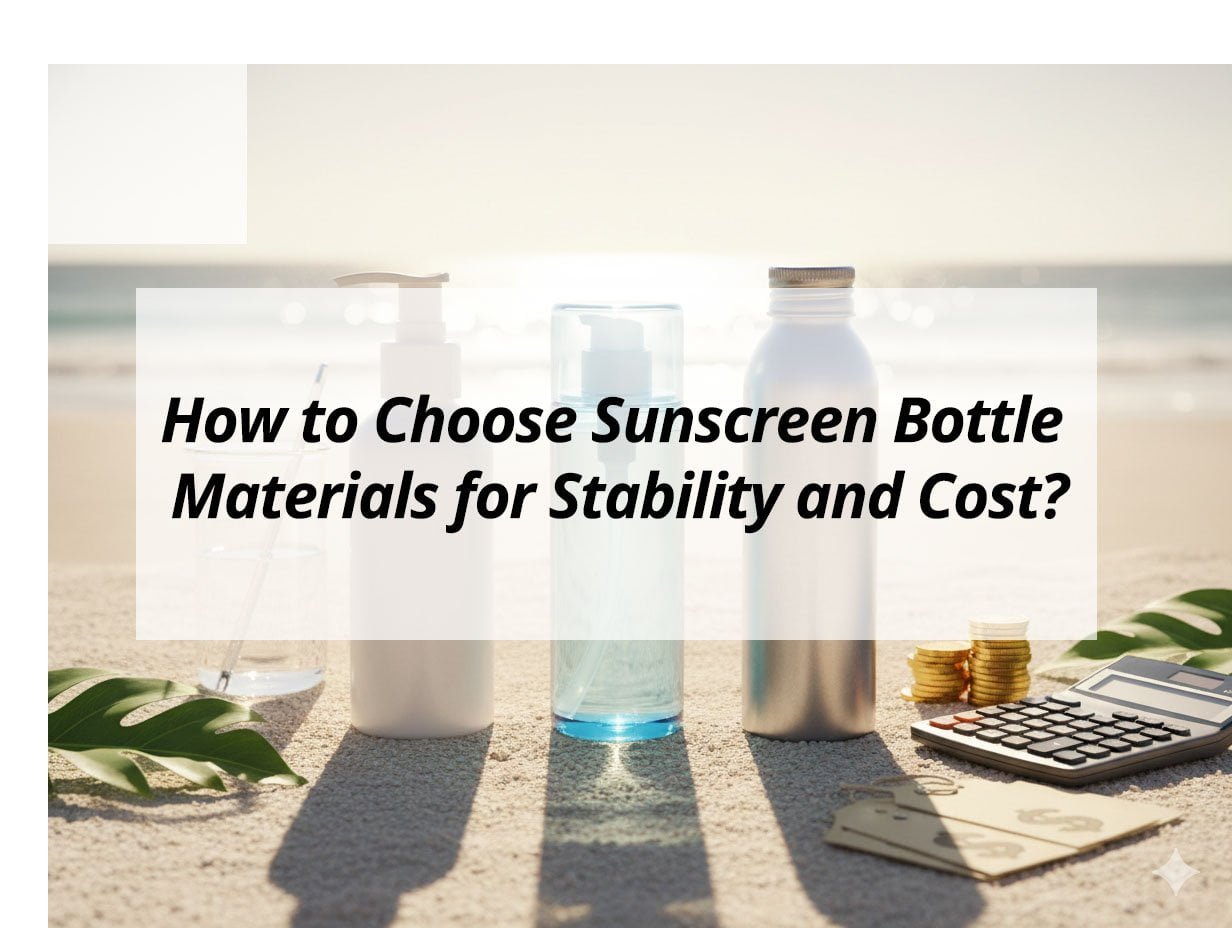
Selecting the correct packaging for sunscreen is a critical decision. It impacts product stability, market appeal, and overall cost. The chosen material must protect the formulation. It also needs to align with brand objectives. This balance is key for any cosmetic brand.
The right packaging safeguards the sunscreen formula. It prevents degradation. This ensures consistent product quality for consumers. Understanding material properties is essential for effective packaging choices. It helps avoid issues like ingredient instability.
This guide explores factors in selecting sunscreen bottle materials. It focuses on achieving stability and managing costs. It provides an objective overview of common material considerations. This helps in making informed decisions for cosmetic packaging.
What is the 3-finger rule for sunscreen?
The "3-finger rule" is a widely recognized method for sunscreen application. This technique suggests a specific amount of product. It aims to ensure users apply sufficient sunscreen. Proper application is vital for achieving the stated SPF protection. Insufficient application reduces effectiveness.
The rule advises dispensing sunscreen along three fingers. This typically covers the face and neck. Larger body areas require more product. This method simplifies dosage. It helps consumers apply an adequate layer. Packaging can support this by offering controlled dispensing. This makes it easier for users to follow application guidelines.
Why is the 3-finger rule important for sunscreen?
Adhering to the 3-finger rule is crucial for sunscreen performance. The amount applied directly affects its protective capabilities. Under-application compromises the product's SPF. This leads to diminished sun protection.
- Ensuring Stated SPF: Sunscreen needs to form a uniform layer. This layer provides the declared SPF. The 3-finger rule helps users apply enough product to achieve this.
- Preventing UV Damage: Inadequate sunscreen application increases sun exposure. This can result in sunburn. It also contributes to long-term skin damage. Such damage includes premature aging and increased skin cancer risk.
- Consumer Satisfaction: Products perform as expected with correct usage. Clear application guidance improves consumer satisfaction. It ensures the product delivers its promised benefits.
- Brand Trust: Brands that educate consumers build trust. Providing clear instructions demonstrates a commitment to consumer well-being. This can enhance brand reputation.
How does packaging relate to the 3-finger rule?
Packaging design can facilitate the 3-finger rule. Certain packaging types aid in accurate dispensing. This helps consumers apply the correct amount.
| Packaging Type | Benefit for Dosage Measurement | Considerations |
|---|---|---|
| Tubes | Allows for controlled squeezing and measurement. | Can lead to product residue. |
| Pump Bottles | Provides consistent dosage per pump. | Pump size varies; specific instructions needed. |
| Spray Bottles | Difficult to measure exact application. | Requires multiple passes for adequate coverage. |
| Jars | Requires manual scooping, less hygienic. | Challenging for precise measurement. |
Tubes and pump bottles are often suitable for sunscreen. They offer controlled dispensing. This makes it easier for users to follow dosage guidelines. Clear labeling on packaging can also provide direct application instructions. For instance, "Use 3 pumps for face and neck" simplifies the process.
Is there a difference between expensive and cheap sunscreen?
Differences exist between sunscreens at varying price points. These distinctions are not solely based on brand. They involve ingredients, formulation complexity, and packaging quality. These factors influence product performance and stability.
Premium sunscreens often incorporate advanced UV filters. They may also include beneficial inactive ingredients like antioxidants. Lower-cost options might use more basic filters or simpler formulas. This can affect the product's feel on the skin. It can also impact its long-term stability and efficacy.
What factors distinguish expensive sunscreen?
Several elements contribute to a sunscreen's cost. These include the quality of active ingredients. Advanced packaging also plays a role. Such packaging often provides superior protection for sensitive formulations.
- Advanced UV Filters: Higher-priced sunscreens often utilize newer, photostable filters. These offer broader spectrum protection. They also resist degradation from sun exposure more effectively.
- Additional Skincare Ingredients: Many premium sunscreens contain extra beneficial components. Examples include hyaluronic acid, niacinamide, or vitamin E. These offer moisturizing, anti-aging, or soothing properties.
- Refined Formulations: More expensive sunscreens frequently offer a superior cosmetic feel. They may be less greasy, absorb quickly, and leave no white cast. This enhances the user experience.
- Extensive Testing: Brands investing in higher-priced products often conduct rigorous testing. This verifies SPF accuracy, water resistance, and photostability. This provides greater consumer assurance.
- Sophisticated Packaging: High-end sunscreens typically feature advanced packaging. This includes airless pumps or opaque bottles. Such packaging protects the formula. It also conveys a sense of luxury and quality.
What are the potential drawbacks of choosing cheap sunscreen?
Opting for very low-cost sunscreen can present risks. It may not deliver the expected level of protection. This can expose consumers to increased sun damage. Balancing cost with product efficacy is important.
| Area of Concern | Impact of Lower-Cost Sunscreen | Packaging Implications |
|---|---|---|
| Efficacy | Potentially lower SPF than labeled. | Degradation in inadequate packaging. |
| Stability | UV filters may degrade rapidly. | Requires packaging with UV protection. |
| Cosmetic Feel | May be greasy, leave a white residue, or pill. | User dissatisfaction affects repurchase. |
| Ingredients | Risk of irritating or less effective additives. | Ingredient interactions with packaging. |
| Packaging | Inferior protection for the formula. | Clear bottles can expose product to light. |
Some inexpensive sunscreens use less stable UV filters. These can lose effectiveness quickly under sun exposure. Additionally, lower-quality inactive ingredients might cause skin irritation. From a packaging perspective, transparent bottles can expose sunscreen ingredients to light. This accelerates degradation. Opaque or UV-protected packaging materials are generally recommended.
What sunscreen is best for lupus patients?
Lupus patients require specialized sunscreen. Their skin exhibits high sensitivity to UV light. Even minimal sun exposure can trigger disease flares. This necessitates maximum protection and gentle formulations.
For individuals with lupus, broad-spectrum protection is paramount. This includes defense against both UVA and UVB radiation. A high SPF, typically 30 or above, is crucial. Mineral sunscreens, containing zinc oxide or titanium dioxide, are often preferred. They are generally less irritating for sensitive skin types.
Why do lupus patients need special sunscreen?
UV light can exacerbate lupus symptoms. It can induce skin rashes. It can also activate systemic flares throughout the body. Therefore, stringent sun protection is a cornerstone of lupus management.
- Photosensitivity: Lupus patients have extreme skin sensitivity to sunlight. Even indirect UV exposure can be detrimental. This demands robust and consistent sun protection.
- Trigger for Flares: UV radiation is a known trigger for both cutaneous and systemic lupus flares. Preventing these flares is essential for managing the disease and improving quality of life.
- Gentle Formulas: Lupus patients often have delicate skin. Chemical sunscreens can sometimes cause irritation. Mineral sunscreens are typically better tolerated due to their physical barrier action.
- Broad-Spectrum Protection: Both UVA and UVB rays contribute to photo-aggravation. Sunscreen must offer comprehensive protection against both types of radiation.
- Year-Round Use: Sunscreen application is necessary every day, regardless of weather. Patients need a product that is comfortable for continuous, long-term use.
What features should sunscreen for lupus patients have?
Formulating sunscreen for lupus patients involves specific considerations. These include active ingredients, formulation type, and packaging. These choices ensure product safety and efficacy for this vulnerable population.
| Feature | Importance for Lupus Patients | Packaging Implication |
|---|---|---|
| Mineral Filters | Less irritating (Zinc Oxide, Titanium Dioxide). | Stable across various packaging materials. |
| High SPF (30+) | Maximum defense against UV radiation. | Airless pumps can preserve formula integrity. |
| Broad-Spectrum | Protection against UVA and UVB. | Opaque packaging shields active ingredients from light. |
| Fragrance-Free | Minimizes potential for skin irritation. | No specific packaging requirement based on this. |
| Hypoallergenic | Reduces the likelihood of allergic reactions. | Ensure packaging materials do not leach or react. |
| Water-Resistant | Provides sustained protection during activities. | Secure caps and seals prevent leakage and contamination. |
From a packaging perspective, airless pump bottles[^1] are highly beneficial. They prevent air and light exposure. This maintains the stability of sensitive formulations. Opaque packaging is also crucial. It protects active ingredients from UV-induced degradation. Materials that feel soft or smooth to the touch can also enhance the user experience for sensitive skin products.
What are the 5 W's of sunscreen?
The 5 W's provide a structured framework for sunscreen use. These address "who," "what," "when," "where," and "why." Applying this framework helps communicate essential information to consumers. It ensures proper and effective sunscreen application. Packaging can play a role in reinforcing these messages.
Understanding these points allows brands to educate consumers effectively. It also helps in tailoring product features to specific needs. For example, a sunscreen designed for athletes might emphasize "when" and "where" to apply. It would also highlight water resistance.
Who should use sunscreen?
Sunscreen use is recommended for everyone. Skin cancer and sun damage affect individuals across all demographics. Different age groups and skin types have unique requirements. This influences product formulation and packaging choices.
- Infants (under 6 months): Direct sun exposure should be avoided. Protective clothing is recommended. Sunscreen use is generally not advised.
- Children: Require specific child-friendly formulas. These are often mineral-based and gentle on delicate skin.
- Adults: All adults, regardless of skin tone, benefit from sunscreen. It helps prevent photoaging and skin cancer.
- Individuals with Skin Conditions: Conditions like lupus or rosacea necessitate gentle, high-SPF formulations.
- Outdoor Professionals/Athletes: These individuals need water-resistant and sweat-resistant sunscreens. They also require frequent reapplication.
Clear labeling on packaging helps consumers identify suitable products. For example, "Baby Sunscreen" on a soft-squeeze tube clearly indicates its intended user.
What type of sunscreen should be used?
The "what" refers to the different types of sunscreen available. Primarily, these are chemical and mineral sunscreens. Each type has distinct mechanisms and benefits. The choice often depends on individual skin type and preference.
| Sunscreen Type | Active Ingredients | Mechanism of Action | Ideal For |
|---|---|---|---|
| Mineral | Zinc Oxide, Titanium Dioxide | Forms a physical barrier on the skin, reflecting UV. | Sensitive skin, children, post-procedure skin. |
| Chemical | Oxybenzone, Avobenzone, Octinoxate, Octisalate, etc. | Absorbs UV radiation, converting it to heat. | Everyday use, lighter feel, no white cast. |
Hybrid sunscreens, combining both mineral and chemical filters, are also available. Packaging considerations may vary by type. Mineral sunscreens can be thicker. They may require packaging with wider openings or robust tubes. Chemical sunscreens often have lighter textures. They are suitable for pump bottles.
When should sunscreen be applied and reapplied?
Timing is critical for maximizing sunscreen efficacy. Correct initial application time is important. Regular reapplication is equally vital for sustained protection.
- Initial Application: Apply 15-30 minutes before sun exposure. This allows chemical filters to absorb or mineral filters to form a barrier.
- Reapplication Frequency: Reapply every two hours. Reapply more frequently after swimming or heavy sweating. This is true even for water-resistant products.
- Daily Routine: Sunscreen should be part of a daily skincare regimen. This applies even on cloudy days. UV rays can penetrate cloud cover.
Packaging design can encourage timely reapplication. Easy-to-open caps facilitate quick reapplication. Travel-sized bottles promote convenience for on-the-go use.
Where should sunscreen be applied?
Sunscreen must be applied to all exposed skin. Commonly missed areas often lead to vulnerability. Thorough coverage is essential for comprehensive protection.
- Commonly Missed Areas: Ears, neck, back of hands, tops of feet, and the scalp (for individuals with thinning hair).
- Face and Neck: Apply a generous amount. Following guidelines like the 3-finger rule is beneficial.
- Body: Ensure all exposed skin surfaces are covered. Apply enough to create a visible layer before rubbing it in.
For body sunscreens, larger bottle formats are typical. These accommodate the greater product volume required. Spray bottles can assist with coverage in hard-to-reach areas. However, they necessitate careful and thorough application.
Why should sunscreen be used?
The "why" aspect underscores the benefits of sunscreen. It provides the motivation for consistent use.
- Skin Cancer Prevention: Sunscreen significantly reduces the risk of various skin cancers.
- Prevention of Premature Aging: It protects against wrinkles, fine lines, and sunspots caused by UV exposure.
- Sunburn Avoidance: It prevents painful sunburns and associated discomfort.
- Maintenance of Skin Health: Consistent use contributes to overall skin health and youthful appearance.
Packaging can visually communicate these benefits. A premium bottle design suggests a high-quality product. This reinforces the protective value for the consumer.
My Insights: How to Choose Sunscreen Bottle Materials for Stability and Cost?
Struggling to balance product protection, aesthetics, and packaging costs? Choosing the right material for sunscreen bottles[^2] ensures formula stability while keeping production budgets in check.
HDPE offers cost-effective durability and chemical resistance, PET provides transparency with moderate UV protection, while aluminum and glass deliver premium aesthetic appeal but incur higher costs. Choose materials based on stability needs and budget constraints.
Material Selection for Sunscreen Bottles
1. Stability vs Cost
Sunscreen packaging protects the formula from UV, air, and moisture exposure. Materials like HDPE and aluminum excel in UV resistance, ensuring longer shelf life, while PET balances transparency and affordability. Glass offers high inertness but carries heavy production and shipping costs.
2. Comparative Material Analysis
- HDPE: Ideal for mass-market sunscreens due to toughness, UV protection, and affordability. Suitable for lotions exposed to outdoor sun.
- PET: Lightweight and recyclable, but requires amber or opaque variants to protect contents from UV degradation. Best for budget-conscious brands seeking a sleek look.
- PP: Provides solid chemical and heat resistance at moderate cost but is less UV-resistant compared to HDPE or aluminum.
- Glass: Premium choice for high-end markets; offers unrivaled barrier protection but is prone to breakage and higher costs.
- Aluminum: Combines durability and premium aesthetics with excellent UV shielding. The cost is higher but justified for premium or eco-conscious products.
| 3. Practical Cost Ranking and Decision Guide | Material | Attributes | Recommended Use | Cost |
|---|---|---|---|---|
| HDPE | Durable, UV-resistant, affordable | Mass-market lotions, sprays | Low | |
| PET | Lightweight, transparent, recyclable | Mid-market lotions requiring aesthetics | Moderate | |
| PP | Chemical and heat resistant | Heat-sensitive sunscreen products | Moderate | |
| Glass | Superior UV protection, heavy | High-end or eco-friendly brands | High | |
| Aluminum | Premium feel, UV-shielding, recyclable | Premium positioning or sprays | High |
Balancing cost and stability begins with identifying your formula's environmental exposure risks and your brand's target market. For mass-market sunscreens, opaque HDPE is the best choice for durability and affordability. Premium brands can explore aluminum or glass for a high-quality look and barrier protection, while PET remains a middle-ground solution for economy without sacrificing visibility and recycling benefits.
Conclusion
Selecting appropriate sunscreen bottle materials is a multifaceted process. It involves balancing product stability, cost-effectiveness, and consumer experience. The correct packaging choice is fundamental. It safeguards the product and supports brand integrity.