Are you involved in selecting packaging for cosmetic products? The choice of material for shampoo bottles is crucial. It impacts product stability, shelf life, and consumer experience. Understanding the properties of different plastics is key to making informed decisions.
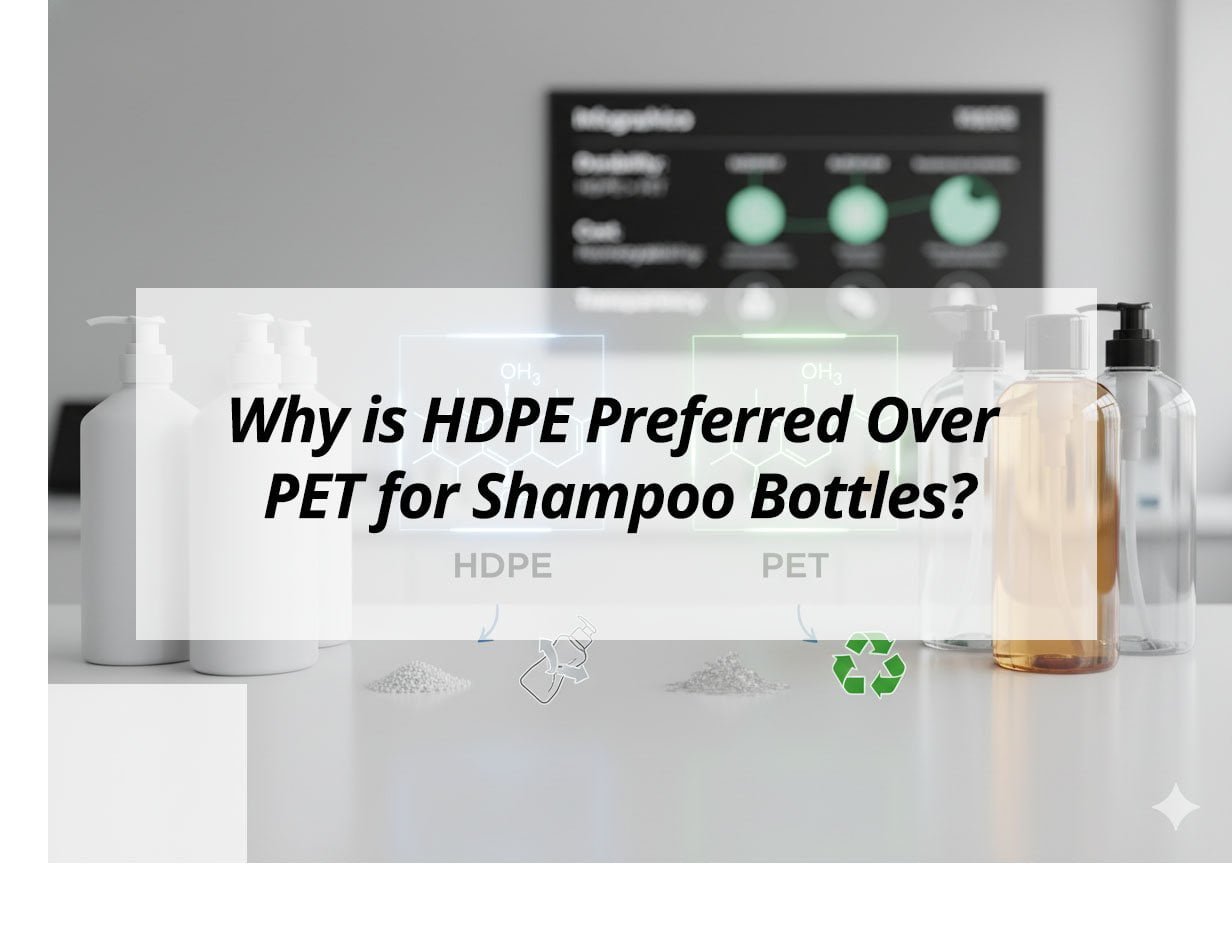
HDPE is often preferred over PET for shampoo bottles due to its superior chemical resistance and opacity. These properties help protect the shampoo formulation from degradation and light exposure. This ensures the product maintains its integrity and effectiveness throughout its shelf life.
Selecting the right packaging material is a fundamental decision in product development. It affects product performance and market appeal. A clear understanding of material benefits helps in sourcing and quality control.
Which is better, HDPE or PET bottles?
Are you comparing HDPE and PET for your packaging needs? Both materials are widely used in various industries. Each offers distinct advantages and disadvantages. The "better" choice depends on the specific requirements of the product being packaged.
HDPE generally provides better chemical resistance and opaqueness, making it suitable for products with sensitive formulations like shampoo. PET, on the other hand, offers excellent clarity and barrier properties against gases, making it ideal for beverages. The optimal material is determined by the product's chemical composition and desired visual characteristics.
Let's examine the characteristics of HDPE and PET in more detail to clarify their suitability for different applications.
HDPE (High-Density Polyethylene)
HDPE is a robust thermoplastic polymer. It is known for its high strength-to-density ratio. This material is commonly used in packaging for detergents, milk, and various personal care products.
- Chemical Resistance: HDPE exhibits excellent resistance to a wide range of chemicals, including many acids, bases, and organic solvents. This property is critical for packaging products with complex chemical formulations, such as shampoos, ensuring the container does not react with its contents.
- Durability and Impact Resistance: Bottles made from HDPE are highly durable and resistant to impact. They can withstand drops and rough handling without cracking or breaking. This is important for product safety during transportation and consumer use.
- Opacity: HDPE is naturally opaque or translucent. This characteristic provides good protection against UV light exposure for light-sensitive contents. Many cosmetic formulations can degrade when exposed to sunlight, making opacity a valuable feature.
- Cost-Effectiveness: HDPE is generally more cost-effective to produce than PET. This can contribute to lower overall packaging costs, which is a significant factor in large-scale manufacturing.
PET (Polyethylene Terephthalate)
PET is a clear, strong, and lightweight plastic. It is widely used for packaging beverages, food, and certain cosmetic products where transparency is desired.
- Clarity: PET is highly transparent, allowing consumers to clearly see the product inside. This visual appeal can be a significant marketing advantage for products where color or consistency is important.
- Lightweight: PET is a lightweight material. This property helps reduce transportation costs and makes products easier for consumers to handle.
- Barrier Properties: PET provides a good barrier against gases like oxygen and carbon dioxide. This makes it ideal for carbonated drinks. For shampoos, this barrier property is generally less critical.
- Recyclability: PET is widely recyclable and often sought after by environmentally conscious consumers. Many recycling programs accept PET products.
Here is a comparison of key features:
| Feature | HDPE | PET |
|---|---|---|
| Clarity | Opaque to translucent | Transparent |
| Chemical Resistance | Excellent (resists many chemicals) | Good (generally resistant, but can be affected by some strong solvents) |
| Impact Resistance | High | High |
| UV Protection | Good (due to opacity) | Poor (requires UV additives for protection) |
| Cost | Lower | Slightly higher |
| Common Applications | Shampoo, detergents, milk jugs, motor oil | Water bottles, soft drinks, food jars, some clear cosmetics |
For shampoo, the chemical resistance and light protection offered by HDPE typically outweigh the clarity of PET. This ensures the product's stability and longevity.
What is the best material for shampoo bottles?
Are you looking for the optimal material for shampoo packaging? The selection process involves balancing product protection, cost, and consumer experience. Making the right choice ensures product quality and market competitiveness.
The most suitable material for shampoo bottles is generally HDPE. Its combination of chemical inertness, impact resistance, and light-blocking properties makes it highly effective. While other materials exist, HDPE consistently meets the specific demands of shampoo formulations and usage environments.
Let's explore why HDPE is frequently chosen and review other common packaging materials to understand their relative suitability for shampoo.
Why HDPE Excels for Shampoo
HDPE's properties make it particularly well-suited for shampoo packaging. These advantages contribute significantly to product integrity and consumer satisfaction.
- Formulation Compatibility: Shampoos contain a diverse array of ingredients, including surfactants, conditioning agents, and fragrances. HDPE's chemical inertness ensures these ingredients do not react with the bottle material. This preserves the shampoo's intended efficacy, scent, and appearance.
- Protection from Degradation: Many active ingredients in shampoo are sensitive to light and oxygen. HDPE's inherent opacity acts as a barrier against light. This helps prevent oxidative degradation and maintains the stability of the product over time.
- Durability in Use: Shampoo bottles are frequently used in wet environments and are prone to being dropped. HDPE's robust nature prevents shattering or cracking, enhancing consumer safety and minimizing product waste. Its flexibility also allows for easy squeezing and dispensing of the product.
- Manufacturing Efficiency: HDPE is an easily processed plastic. It lends itself well to various molding techniques. This facilitates efficient and cost-effective mass production of bottles.
Other Packaging Materials and Their Limitations for Shampoo
While HDPE is preferred, other materials are sometimes considered. Understanding their drawbacks for shampoo packaging is important.
- PP (Polypropylene): PP also offers good chemical resistance. It is sometimes used for shampoo bottles and often for closures. However, it can be stiffer than HDPE, potentially making bottles harder to squeeze and dispense product.
- PVC (Polyvinyl Chloride): Once a common packaging material, PVC is now less frequently used for consumer products, especially in cosmetics. This is due to environmental concerns regarding its production and disposal, as well as potential plasticizer migration issues.
- Glass: Glass is inert and offers a premium feel. However, its heavy weight increases shipping costs. Its brittleness poses a significant safety risk in a shower environment. Breakage can lead to injury and product loss.
- PET (Polyethylene Terephthalate): While clear and lightweight, PET's transparency provides less UV protection for light-sensitive shampoo ingredients. Its chemical resistance, though good, may not be as universally robust as HDPE for all complex shampoo formulations.
Here is a comparative overview of materials for shampoo bottles:
| Material | Primary Benefit | Limitation for Shampoo |
|---|---|---|
| HDPE | Chemical resistance, opacity, durability | Less visual clarity (if desired) |
| PP | Chemical resistance, stiffness | Can be too rigid for easy squeezing |
| PVC | Historically versatile | Environmental concerns, potential plasticizer issues |
| Glass | Inert, premium feel | Heavy, fragile (safety hazard), high cost |
| PET | Clarity, lightweight, gas barrier | Poor UV protection, chemical resistance not as broad as HDPE for all formulas |
Therefore, HDPE remains the strongest candidate for shampoo bottles. It provides the necessary protection and functional attributes for this product category.
Which is safer, HDPE or PET?
Are you prioritizing safety in your packaging material choices? Ensuring that packaging materials do not harm the product or the end-user is a critical concern for any manufacturer. Both HDPE and PET are widely used and generally considered safe plastics.
Both HDPE and PET are approved by regulatory bodies globally for contact with food and cosmetics. However, for shampoo, HDPE often presents a slightly safer profile due to its greater chemical inertness. This reduces the potential for interaction with complex shampoo formulations.
Let's delve into the safety aspects of each material to understand their suitability for different applications.
General Safety of Plastics
The safety of plastic packaging is assessed by its chemical stability and the potential for substances to migrate from the plastic into the product. Both HDPE and PET have undergone extensive testing.
- Leaching Potential: Both HDPE and PET have very low leaching potential. This means they are highly stable and unlikely to release unwanted chemicals into the contents. This makes them safe choices for storing consumables and personal care products.
- Regulatory Approval: Both plastics are widely approved by major regulatory agencies worldwide, such as the FDA in the United States and similar bodies internationally. These approvals confirm their safety for direct contact with food and cosmetics under normal use conditions.
- Physical Stability: Both materials are physically robust and do not easily degrade under typical storage and usage conditions. They do not decompose into harmful fragments that could contaminate the product.
Specific Safety Considerations for Shampoo
While both are safe, the unique composition of shampoo warrants a closer look at material compatibility.
- Chemical Inertness: HDPE is highly inert. It resists reaction with a broad spectrum of chemicals, including detergents, oils, and pH modifiers found in shampoos. This high inertness ensures the shampoo's chemical profile remains unchanged by the packaging.
- Formulation Complexity: Shampoo formulations can be complex and contain various active ingredients. HDPE's resistance to chemical interaction helps prevent any unintended reactions between the packaging and these sensitive compounds. This maintains product efficacy and safety.
- Absence of BPA: Neither HDPE nor PET contains Bisphenol A (BPA). BPA is a chemical that has raised health concerns. The absence of BPA in these plastics further contributes to their safety profile for consumer products.
Here is a comparison of their safety aspects:
| Safety Aspect | HDPE | PET |
|---|---|---|
| Chemical Inertness | Excellent; highly resistant to interaction with varied chemicals. | Very good; resistant to many chemicals, but less universally inert than HDPE for some complex mixtures. |
| Leaching Risk | Very low, proven stable. | Very low, proven stable. |
| Regulatory Status | Widely approved for food and cosmetic contact. | Widely approved for food and cosmetic contact. |
| BPA Content | None. | None. |
| Suitability for Strong | High resistance. | Good resistance, but specific strong solvents or oils might require careful assessment. |
In conclusion, both HDPE and PET are safe plastics. For shampoo, HDPE's slightly higher chemical inertness makes it a marginally preferred choice. It ensures robust protection against potential packaging-product interactions.
Why is HDPE used for shampoo bottles?
Are you examining the prevalent use of HDPE in shampoo packaging? The industry's consistent choice of HDPE is not arbitrary. It stems from a clear understanding of the material's advantages that align with shampoo product requirements.
HDPE is widely adopted for shampoo bottles primarily because of its superior chemical resistance, opacity for light protection, and excellent durability. These characteristics ensure the shampoo's formulation remains stable and protected from external factors. This contributes to a long shelf life and reliable product performance.
This selection reflects a balanced consideration of product protection, manufacturing feasibility, and consumer needs. Let's explore the specific reasons behind this preference.
Core Advantages of HDPE for Shampoo
The benefits of HDPE directly address the critical needs of shampoo packaging, making it an optimal material choice.
- Chemical Compatibility with Shampoo Formulations: Shampoos contain a complex blend of surfactants, fragrances, and conditioning agents. HDPE is highly inert and resistant to chemical degradation from these components. This prevents the bottle from weakening or altering the shampoo's chemistry, preserving its quality and effectiveness.
- Effective Light Barrier: Many shampoo ingredients are susceptible to degradation when exposed to ultraviolet (UV) light. HDPE's natural opacity effectively blocks UV rays. This protection helps maintain the stability of active ingredients, prevents discoloration, and preserves the fragrance of the shampoo.
- Exceptional Durability and Impact Resistance: Shampoo bottles are frequently handled and are often used in environments where they might be dropped. HDPE containers are robust and shatterproof. This resilience prevents leakage and product loss, enhancing user safety and product longevity. Its flexibility also allows for easy squeezing to dispense the product.
- Cost-Effectiveness in Manufacturing: HDPE is a relatively economical polymer. Its ease of processing through methods like injection molding and blow molding makes it a cost-efficient option for mass production. This helps keep packaging costs manageable, benefiting manufacturers and consumers.
- Recyclability and Environmental Considerations: HDPE is a widely recyclable plastic, identified by the resin code "2". This supports environmental sustainability efforts and appeals to consumers who prioritize eco-friendly packaging.
Impact of HDPE Choice on Product Success
The decision to use HDPE has significant positive implications for a shampoo product's market success.
- Preservation of Product Integrity: By protecting the shampoo from chemical interactions and light, HDPE ensures the product maintains its intended quality, appearance, and performance throughout its shelf life. This leads to consistent consumer experience.
- Reduced Product Waste and Returns: The durability of HDPE bottles minimizes damage during transit and use. This reduces instances of product leakage or breakage, leading to fewer customer complaints and returns.
- Meeting Regulatory Standards: The proven safety and stability of HDPE help manufacturers meet strict regulatory requirements for cosmetic packaging in various markets. This facilitates broader market access and compliance.
Here is a summary of the key reasons for HDPE's use in shampoo bottles[^1]:
| Reason | Benefit to Shampoo Packaging |
|---|---|
| High Chemical Resistance | Prevents formula degradation, maintains product efficacy. |
| Opacity / UV Protection | Safeguards light-sensitive ingredients, preserves color/scent. |
| Durability and Flexibility | Resists breakage, ensures safety, enables easy dispensing. |
| Cost-Effectiveness | Lowers production costs, supports competitive pricing. |
| Widespread Recyclability | Environmentally favorable, meets consumer expectations. |
| Regulatory Compliance | Facilitates market access and ensures product safety. |
In essence, HDPE is chosen for shampoo bottles because it offers a comprehensive solution. It addresses the critical needs for product protection, functional performance, and manufacturing efficiency.
My Insights: Why Is HDPE Preferred Over PET for Shampoo Bottles?
Frustrated with brittle, UV-sensitive bottles impacting product quality? HDPE outshines PET as the top choice for durable, chemically resistant, and cost-effective shampoo bottle packaging.
HDPE outperforms PET in chemical resistance, UV protection, impact durability, and moisture barrier properties, making it ideal for shampoo bottles. It’s cost-effective, recyclable, and offers superior squeeze flexibility.
Breaking Down HDPE’s Advantages Over PET
1. Chemical Resistance and Durability
Shampoos often contain surfactants and chemicals that can degrade PET over time, while HDPE maintains chemical stability without leaching. It’s also impact-resistant, reducing the risk of cracking during transportation or use.
2. UV Protection and Product Preservation
HDPE’s opacity shields shampoo formulations from UV exposure, preserving active ingredients like vitamins and fragrances longer. PET’s transparency, although visually appealing, leaves products vulnerable to UV degradation unless treated with additives.
3. Squeeze and Moisture Barrier Performance
HDPE’s flexibility makes it ideal for squeeze applications used in shower settings. Additionally, HDPE offers superior moisture barrier properties compared to PET, which can enhance long-term product preservation.
4. Cost Efficiency and Sustainability
HDPE is lightweight and economical for large-scale production, reducing shipping costs and overall expenses. It’s widely accepted by post-consumer recycling systems, enabling brands to meet sustainability goals without compromising functionality.
| Feature | HDPE | PET | Advantage |
|---|---|---|---|
| Chemical Resistance | Strong; withstands harsh formulations | May degrade or leach components | HDPE takes the lead |
| UV Protection | Opaque; blocks UV rays | Transparent; vulnerable | HDPE wins for product stability |
| Durability | Impact-resistant, flexible | Brittle in high-stress environments | HDPE outperforms for squeeze bottles |
| Cost | Low-cost production | Higher costs for additives | HDPE excels in mass-market affordability |
| Sustainability | Easier to recycle, widely accepted | Recyclable but less eco-friendly | HDPE better aligns with sustainability |
While PET is suitable for premium packaging where clarity adds visual appeal, HDPE remains the go-to material for shampoo bottles. Its superior chemical resistance, UV protection, flexibility, and affordability make HDPE the preferred choice for functional, durable, and mass-market packaging. Brands aiming for sustainability and reliability will find HDPE a clear winner.
Conclusion
The preference for HDPE over PET in shampoo bottles is well-founded. HDPE's superior chemical resistance, opacity, and durability are key. These properties ensure product stability, protect ingredients from light, and offer robust performance. This makes HDPE an ideal choice for shampoo packaging.