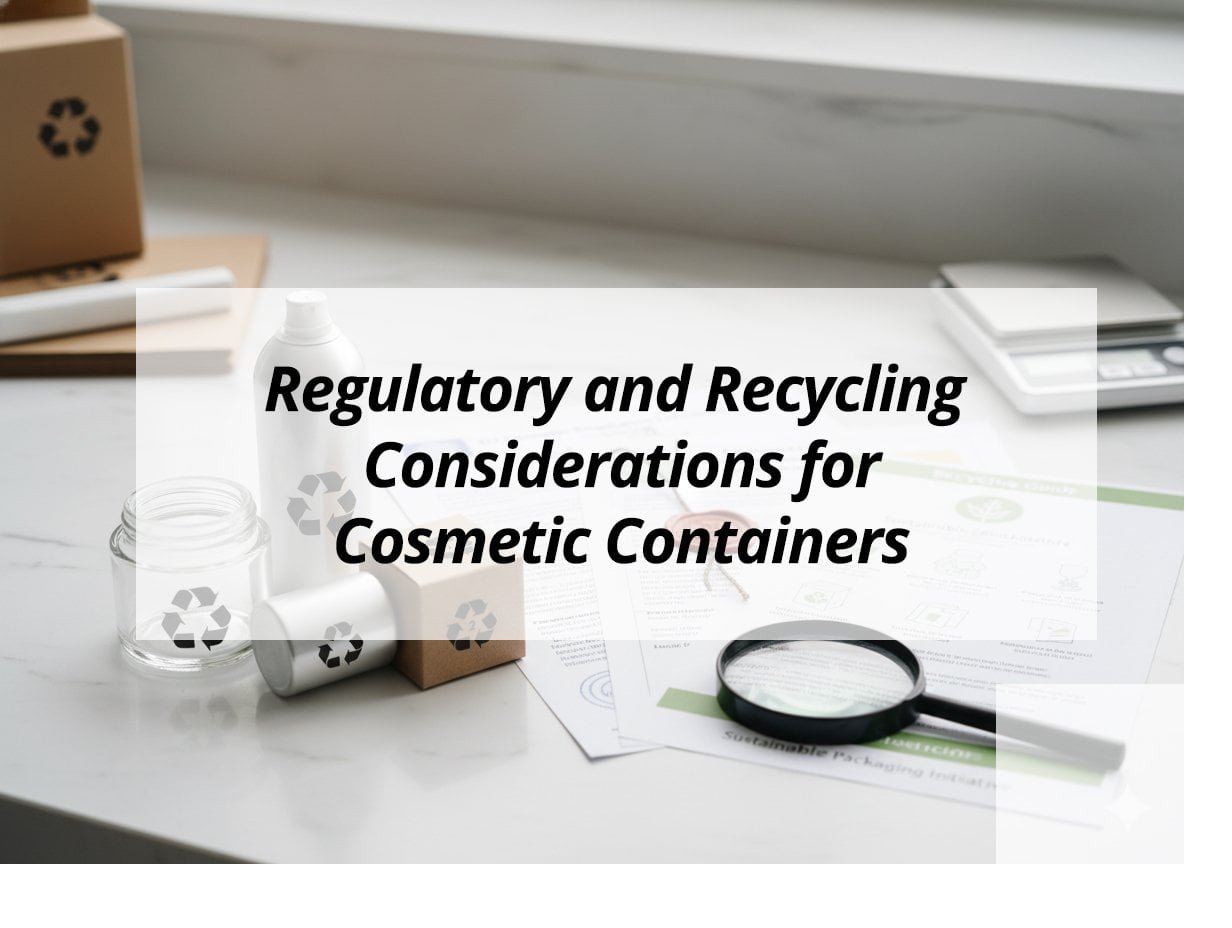
The world of cosmetic containers is complex. With regulations and recycling challenges, understanding these aspects is crucial for success.
Cosmetic container regulations and recycling processes are key to business success. By understanding regulatory affairs, safety standards, and environmental practices, companies ensure compliance, enhance sustainability, and meet consumer expectations effectively.
Cosmetic containers must meet diverse regulations that ensure safety and sustainability. This keeps businesses compliant and improves brand reputation, a key factor in long-term success.
What are Regulatory Affairs in Cosmetics?
Regulatory affairs in the cosmetics industry involve navigating legal frameworks to ensure product safety, efficacy, and compliance with international standards.
Regulatory affairs in cosmetics1 involve compliance with international laws and standards, focusing on safety, labeling accuracy, and sustainable practices. This helps protect consumers and enhances brand credibility. Companies must meet these standards to succeed in a competitive market.
Understanding regulatory affairs is essential for any cosmetic business. Compliance ensures consumer safety and bolsters brand trust. Here's what businesses need to focus on:
Key Aspects of Regulatory Affairs
- Ingredient Safety2: Ensuring all components are safe and approved by relevant authorities. This involves researching ingredients and adhering to approved lists to avoid health risks.
- Labeling Accuracy3: Proper labeling informs consumers about the product’s uses, benefits, and potential allergens. Clear labels build consumer trust and prevent legal issues.
- Sustainable Practices4: Incorporating eco-friendly practices helps reduce environmental impact. Companies are encouraged to use recyclable materials and minimize waste.
Navigating regulatory affairs effectively enhances consumer trust and helps businesses maintain a competitive edge. Understanding these regulations ensures that businesses uphold the law and maintain high product standards.
What are the Cosmetic Products' Safety Regulations?
Safety regulations are essential to ensure that cosmetic products are both effective and safe for consumer use.
Cosmetic safety regulations require thorough testing and accurate labeling to ensure consumer safety. Companies must follow guidelines on ingredients and manufacturing processes. Compliance with these safety standards prevents harmful incidents and protects both consumers and brand integrity.
Ensuring the safety of cosmetic products is crucial for protecting consumers and upholding brand reputation. Here's a closer examination of these regulations:
Main Elements of Safety Regulations
- Testing Protocols: Products undergo rigorous testing to verify safety and effectiveness. This includes dermatological tests and allergen assessments.
- Ingredient Restrictions: Certain hazardous ingredients are restricted or banned to protect consumer health. It's important to stay updated on regulatory changes.
- Clear Labeling: Products must provide clear information on usage, ingredients, and safety warnings. This transparency is crucial for consumer trust and safety.
These elements are vital for ensuring that cosmetics are safe and trustworthy. Compliance builds consumer confidence and contributes to a brand’s success, fostering long-term loyalty.
What are the Regulatory Requirements for Pharmaceutical Packaging?
Pharmaceutical packaging regulations ensure the safety, integrity, and efficacy of healthcare products.
Pharmaceutical packaging must comply with stringent regulations to ensure safety and effectiveness. This includes using approved materials, standardized designs, and labels detailing essential product information. Meeting these requirements safeguards consumers and maintains trust in healthcare products.
Ensuring pharmaceutical packaging meets regulatory standards is crucial for maintaining product safety. Here's a breakdown of what this involves:
Core Components of Pharmaceutical Packaging Regulations
| Component | Description |
|---|---|
| Standardized Designs | Packaging must be tamper-evident and child-resistant to prevent misuse and ensure safety. |
| Approved Materials | Only materials that prevent contamination and chemical reaction should be used. This is critical for maintaining product efficacy. |
| Informative Labels | Labels must include dosage information, side effects, and storage instructions. This ensures proper use and avoids misuse. |
Adhering to these requirements ensures pharmaceutical products remain safe and effective. Compliance is crucial for maintaining consumer trust and upholding a brand’s credibility in the healthcare market.
What are the Regulations for Cosmetics?
Cosmetic regulations govern every aspect of product safety, labeling, and marketing to ensure they meet consumers' needs.
Cosmetic regulations require adherence to safety, labeling, and marketing standards. Companies must provide clear product information and avoid misleading claims. Compliance ensures consumer safety, legal adherence, and enhances brand reputation, fostering trust and market credibility.
Understanding and complying with cosmetic regulations is essential for maintaining quality and trust. Here’s a detailed look at these regulations:
Important Aspects of Cosmetic Regulations
- Ingredient Lists: Accurate ingredient lists inform consumers about product composition and potential allergens. This transparency builds trust and minimizes health risks.
- Marketing Standards: Honest advertising avoids misleading consumers and enhances brand integrity. Being truthful about product benefits and limitations is crucial.
- Quality Control: Maintaining high standards in production and formulation ensures product consistency and effectiveness. Companies should regularly review processes and standards to remain compliant.
These regulations ensure that cosmetic products are both safe and effective, providing consumers with peace of mind. Adhering to these standards strengthens brand reputation and supports ongoing business success.
My insights: Regulatory and Recycling Considerations for Cosmetic Containers
Navigating cosmetic packaging regulations and recycling can be complicated. Stay compliant and eco-friendly with informed choices.
Cosmetic containers must meet FDA and EU regulations, use recyclable materials, and include clear recycling symbols. Biodegradable and BPA-free materials are preferred. Consumers demand sustainable packaging, while refillable and recyclable options gain popularity to ensure compliance and environmental responsibility.
Navigating Regulations and Recycling in Cosmetic Packaging
Key Regulations:
Cosmetic packaging in regions like the EU and the US must adhere to stringent guidelines, avoiding materials like PVC and ensuring recyclability. In California, laws mandate using recyclable materials and displaying recycling symbols, promoting 65% recycling rates by 2032.
Recycling Practices:
Consumers should clean containers to prevent contamination, as residue hinders recycling. Standard materials like glass, metal, and large plastics often fit curbside bins, whereas pumps and multi-material packs require special disposal through programs like TerraCycle or store take-back initiatives.
Compliance and Sustainability:
Regulations encourage the use of biodegradable, compostable, and BPA-free materials. Companies are increasingly adopting refillable packaging to reduce waste. Compliance ensures not only legal adherence but also aligns brands with consumer values on sustainability and environmental responsibility.
Comparison Table:
| Aspect | Considerations |
|---|---|
| Key Regulations | Recyclable materials, symbols, banned substances |
| Recycling Practices | Proper cleaning, curbside bin suitability |
| Compliance & Sustainability | Biodegradable, refillable packaging |
By adhering to these guidelines, brands can maintain compliance, enhance eco-friendliness, and align with consumer expectations for sustainability.
Conclusion
Thoroughly understanding the complexities of regulations and sustainability in cosmetic containers is crucial for compliance, satisfying consumer expectations, and ensuring business success. Maintaining regulatory standards and sustainable practices fosters consumer trust and ensures a successful brand.
-
Explore this link to understand how regulatory affairs ensure product safety and compliance in the cosmetics industry. ↩
-
Learn about the significance of ingredient safety in cosmetics and how it protects consumers from health risks. ↩
-
Discover the importance of accurate labeling in building consumer trust and preventing legal issues. ↩
-
Find out how sustainable practices in cosmetics can reduce environmental impact and enhance brand reputation. ↩