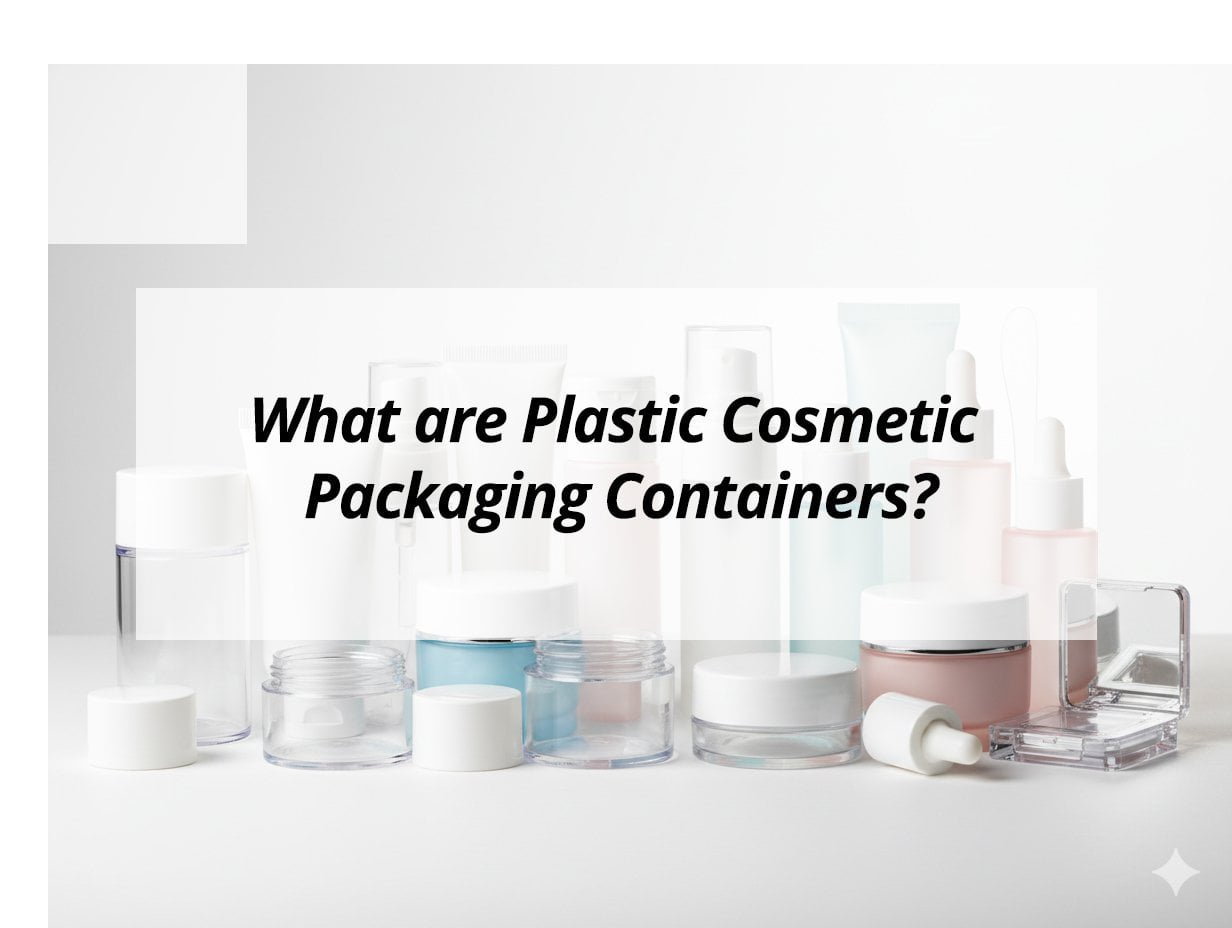
In today's beauty industry, product presentation is everything. Discover how plastic cosmetic packaging containers can revolutionize aesthetic appeal and practicality, making your products irresistible to consumers.
Plastic cosmetic packaging containers are versatile solutions for housing and protecting beauty products. They offer durability, design flexibility, and cost-effectiveness, making them a popular choice for brands aiming to enhance their product presentation while ensuring safety and convenience.
Innovation and sustainability are key as brands, including JCCosmopack, seek to provide packaging solutions that marry functionality with design elegance, without sacrificing affordability.
What is a cosmetic container?
Unravel the essential role cosmetic containers1 play in the beauty industry. They’re crucial for both product preservation and brand identity.
A cosmetic container is a vessel specifically designed to store and dispense beauty products. These containers are tailored to maintain product integrity and facilitate user-friendly application, often customized to reflect brand aesthetics and protect contents from contamination and spoilage.
Cosmetic containers are a central feature in product lines, requiring keen attention to detail to ensure they support both the product and the brand image effectively.
The Importance of Cosmetic Containers
Choosing the right cosmetic container involves various considerations, focusing on both practical and aesthetic attributes.
-
Product Integrity: Containers must preserve the quality and consistency of the product. They act as barriers against external factors that can degrade active ingredients.
-
User Experience: Ease of use is crucial. Containers should allow effortless product dispensing, enhancing customer satisfaction.
-
Brand Representation: Containers reflect brand values and identity. They can be customized to showcase logos and brand colors, conveying quality and attracting consumers.
-
Material Choice: Materials used must be safe for cosmetic use. Plastic containers, along with alternatives like Cosmetic Glass Containers, offer this assurance.
| Feature | Importance |
|---|---|
| Product Integrity | Protects from contamination |
| User Experience | Ensures ease of use and accessibility |
| Brand Representation | Enhances brand identity and appeal |
| Material Choice | Ensures safety of product and consumer |
What are the different types of cosmetic boxes?
Understanding the diverse landscape of cosmetic boxes can guide brands in selecting appropriate packaging solutions to suit their products.
Cosmetic boxes come in various shapes and sizes designed to accommodate specific product needs, from small lip gloss tubes to elaborate Skincare Bottles. These boxes ensure protection during transit and display, often crafted to capture consumer interest through design and functionality.
Exploring the array of cosmetic boxes available provides insight into how they can enhance product presentation and align with strategic marketing goals.
Types and Functions of Cosmetic Boxes
Cosmetic boxes serve multiple purposes, primarily focusing on the protection and aesthetic representation of the product:
-
Folding Cartons: Lightweight and cost-effective, ideal for light products. They are customizable and recyclable.
-
Rigid Boxes: Providing durability and premium appeal, they are often used for luxury items. Their sturdiness ensures protection for fragile products like Glass Cosmetic Bottles wholesale.
-
Corrugated Boxes: Known for robustness, used for shipping larger quantities. These boxes offer excellent protection during transit.
| Box Type | Functionality |
|---|---|
| Folding Cartons | Lightweight, customizable, and eco-friendly |
| Rigid Boxes | Durable, premium, ideal for luxury products |
| Corrugated Boxes | Robust, excellent for bulk shipping |
What are the four types of packaging?
Every cosmetic business needs to think about packaging types that not only protect but also promote their products effectively.
The four main types of packaging in the cosmetic industry include primary packaging, secondary packaging, tertiary packaging, and quaternary packaging. Each type serves a specific purpose, from protection and preservation to marketing and logistics. They collectively ensure products reach consumers in perfect condition while amplifying brand appeal.
Understanding these packaging types can help streamline production processes and optimize marketing strategies, ensuring a cohesive brand message.
Packaging Types in Detail
Delving deeper into these packaging categories reveals their unique functions and contributions to overall product success:
-
Primary Packaging2: Direct contact with the product, ensuring quality and safety. It includes containers like Unique cosmetic bottles for skincare.
-
Secondary Packaging3: Used for branding and additional protection, often incorporating design elements to enhance shelf appeal.
-
Tertiary Packaging4: Focused on transportation efficiency, includes larger boxes for bulk shipping.
-
Quaternary Packaging5: Specialized packaging for specific transport needs, often the outermost layer in logistical processes.
| Packaging Type | Purpose |
|---|---|
| Primary Packaging | Protects product directly, ensuring product safety |
| Secondary Packaging | Enhances brand presentation and shelf appeal |
| Tertiary Packaging | Ensures safe transportation |
| Quaternary Packaging | Further specialized packaging for shipping |
What plastic is safe for cosmetics?
When selecting plastic for cosmetic containers, safety and environmental impact are critical factors to consider.
Plastics such as PET (Polyethylene Terephthalate) and HDPE (High-Density Polyethylene) are deemed safe for cosmetics. These materials offer excellent barrier properties and are recyclable, ensuring product quality and consumer safety while supporting environmental sustainability.
Choosing the right plastic not only affects product integrity but also strengthens brand reputation by demonstrating commitment to safe and sustainable practices.
Benefits of Safe Plastics for Cosmetics
Exploring the benefits and properties of safe plastics highlights their suitability for cosmetic applications:
-
PET: Known for its clarity and strength, it presents products beautifully and is highly resistance standard. It's widely used in Skincare Bottles.
-
HDPE: Offers chemical resistance and durability. It is ideal for lotions and creams, providing protection against exposure to air and light.
Both types support the integrity of cosmetics, ensuring long shelf life and comfort for the user.
| Plastic Type | Features and Benefits |
|---|---|
| PET | Clarity, strength, and recyclability |
| HDPE | Chemical resistance and durability |
My insights: The Plastic Cosmetic Packaging Containers
Tired of low-quality cosmetic containers that fail to protect your products? Discover how advanced plastic cosmetic packaging offers durability, design versatility, and eco-friendly options for your beauty brand.
Plastic cosmetic packaging containers are used to securely hold and preserve cosmetic products such as creams, serums, and lotions. These containers provide excellent barrier properties to prevent contamination, are lightweight, customizable, cost-effective, and increasingly sustainable, making them a preferred choice in the beauty industry.
Understanding the Realm of Plastic Cosmetic Packaging
Materials and Properties:
-
Material Variety: Plastic cosmetic containers commonly utilize PET, PETG, HDPE, LDPE, polypropylene (PP), and polystyrene (PS).
-
Key Characteristics: These materials are selected for their clarity and chemical resistance, which enhance product visibility and durability.
-
Functional Benefits: The rigidity and barrier properties of these plastics ensure effective containment and protection against contaminants.
-
Consumer and Product Compatibility: Material choice affects how consumers use and interact with the containers, influencing their overall experience with the product.
-
Adaptability: The properties of each plastic type dictate their suitability for different cosmetic products, ensuring safety and compatibility.
Functionality and Design:
These containers serve critical roles in protecting products from contamination, air, and light exposure, and offer precise dispensing options like pumps and sprays. They also support branding efforts through customization options such as matte, glossy, or textured finishes.
Environmental Considerations:
The cosmetic packaging industry is trending towards eco-friendly solutions. Developments in biodegradable plastics and increased recycling programs aim to minimize environmental impact, making plastic containers more sustainable than ever.
| Type of Packaging | Material Used | Application Example |
|---|---|---|
| Airless Bottles | PETG | Serums |
| Jars and Tubs | PP, HDPE | Creams and Balms |
| Tubes and Squeezables | LDPE, HDPE | Lotions and Gels |
| Compact Cases and Trays | PS, PP | Powders and Creams |
In utilizing plastic cosmetic packaging, brands can achieve a balance between product protection, aesthetic appeal, and environmental responsibility.
Conclusion
Plastic cosmetic containers blend functionality with aesthetic appeal, offering a strategic advantage in packaging cosmetics effectively.
-
Explore how cosmetic containers preserve product integrity and enhance user experience. ↩
-
Understand the role of primary packaging in ensuring product safety and quality. ↩
-
Learn how secondary packaging can improve shelf appeal and branding. ↩
-
Find out how tertiary packaging ensures safe transportation of cosmetic products. ↩
-
Explore the significance of quaternary packaging in the shipping process. ↩