Navigating the vast world of skincare packaging can be daunting. With a plethora of options available, how do you choose the perfect container for your product? This guide will help demystify the types of containers and their uses, offering valuable insights for your brand.
Skincare containers are designed for various products, including creams, serums, and lotions. The right packaging choice is essential for preserving product integrity, enhancing user experience, and aligning with brand aesthetics.
Choosing the appropriate packaging is not just about aesthetics; it's crucial for maintaining product effectiveness and enhancing consumer satisfaction.
What are the packaging options for skincare?
Packaging options for skincare are diverse, each type tailored to specific product needs and consumer expectations. Selecting the right type impacts product functionality and the overall user experience.
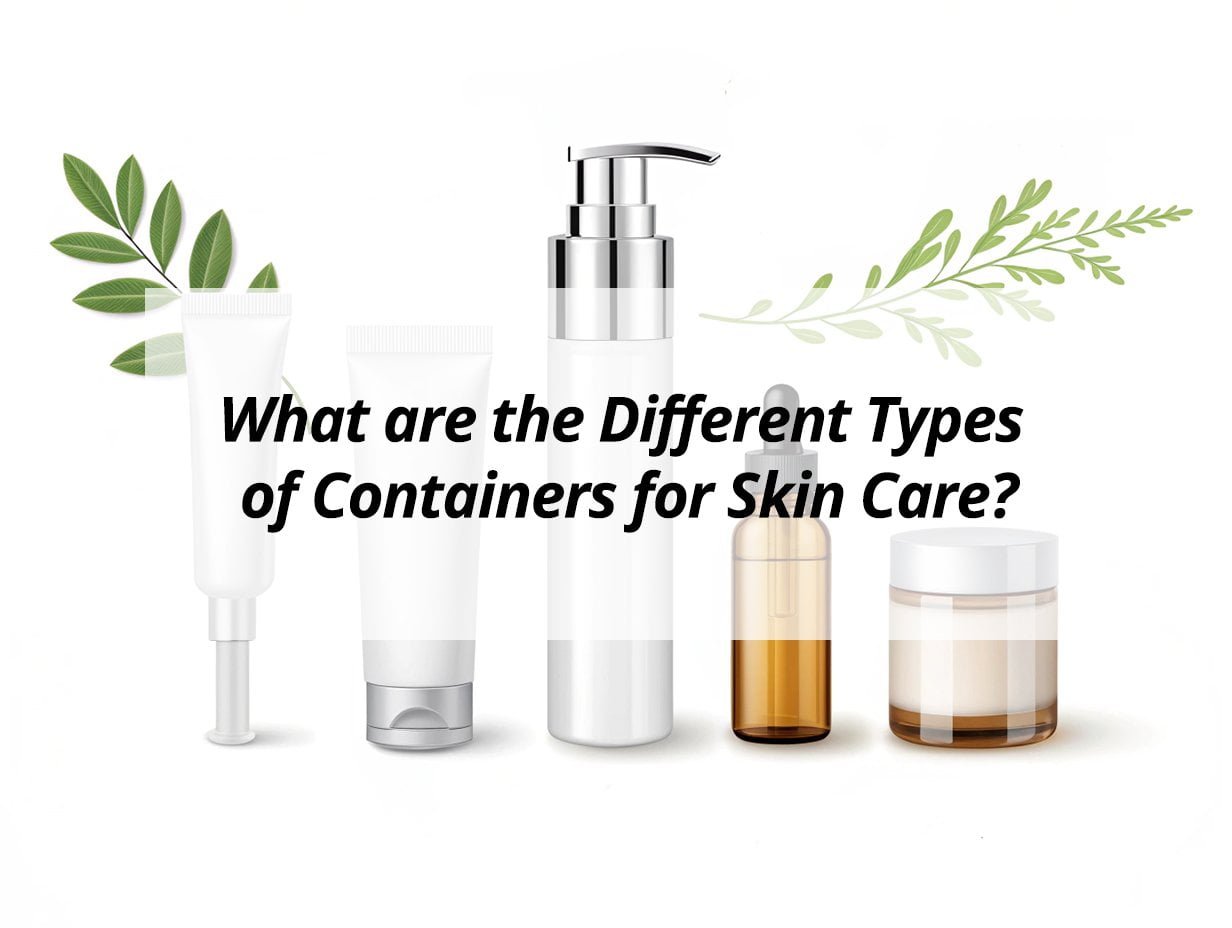
Types of cosmetic packaging for skincare1 include jars, pump bottles, and tubes. Each offers unique benefits and can reflect the product’s quality and brand image.
Understanding the varied options helps in making informed decisions, crucial for the success of any skincare line.
Understanding Skincare Packaging
Jars
Jars are widely used for thick creams, balms, and moisturizers. Their open design facilitates easy access to the product. Despite their elegance and premium feel, jars pose a higher risk of contamination due to direct finger contact. Materials range from glass to HDPE, providing varying levels of durability and aesthetic appeal.
Benefits of Jars:
- Elegant and premium feel
- Suitable for thicker formulas
- Allows for easy scooping using spatulas
Drawbacks of Jars:
- Higher contamination risk
- Bulky, less ideal for travel
Pump Bottles
Pump bottles are perfect for lotions and creams. They offer controlled dispensing, minimizing product waste and reducing the risk of contamination. While providing a user-friendly experience, some thick formulations may clog dispensers, requiring careful selection of pump design.
Benefits of Pump Bottles:
- Hygienic, reducing air exposure
- Controlled and consistent dispensing
Drawbacks of Pump Bottles:
- Potential clogging with thick formulations
- Higher cost compared to basic containers
Tubes
Tubes are versatile and travel-friendly, often used for gels, creams, and lotions. They offer controlled dispensing but may sometimes release more product than desired. Their compact design makes them ideal for daily use and portability.
Benefits of Tubes:
- Travel-friendly, lightweight
- Easy-to-use packaging
Drawbacks of Tubes:
- May dispense excess product
- Limited use for very thick or rigid formulas
What are the different types of cosmetic boxes?
Cosmetic boxes significantly impact product presentation and consumer perception. Choosing the right type offers benefits in branding and product protection, aligning with your market strategy.
Cosmetic boxes include two-piece boxes, folding cartons, and rigid boxes. Each type offers distinct advantages for branding and product safety, enhancing consumer experience and aligning with different market segments.
By understanding these options, brands can optimize packaging to reflect their desired image and enhance consumer appeal.
Exploring Cosmetic Boxes
Two-Piece Boxes
Two-piece boxes consist of a separate lid and base, often used for luxury items. They provide a premium feel and can be easily customized to enhance branding. However, they may come with higher production costs, ideal for exclusive product lines.
Folding Cartons
Folding cartons are versatile, cost-effective, and widely used for mass-market products. They can be printed with vibrant designs, allowing significant branding flexibility. While protective, they may not offer the same luxury feel as rigid options.
Rigid Boxes
Rigid boxes offer superior protection and a luxurious touch, appealing to high-end consumers. Their sturdy design is excellent for deluxe product lines but potentially less eco-friendly due to their material density.
What are the four main types of packaging?
Understanding packaging types is crucial for effective logistics, product protection, and enhancing brand presentation, ensuring safety and appeal from production to delivery.
The four main types of packaging are primary, secondary, tertiary, and quaternary. Each type serves a specific role, from direct contact to bulk transportation, contributing to the overall product lifecycle.
Grasping this hierarchy aids in making strategic decisions that ensure product safety and enhance brand perception.
Types of Packaging
| Packaging Type | Function | Characteristics |
|---|---|---|
| Primary | Directly contacts the product | Maintains integrity, enhances usability |
| Secondary | Encloses multiple primary packages | Branding, protection during transport |
| Tertiary | Bulk packaging for transit | Facilitates large-scale distribution |
| Quaternary | Additional protective layer | Reduces risk during shipping |
What are the different types of container packing?
Container packing is about selecting the right vessels to preserve product quality and ensure customer satisfaction. It significantly influences usability and maintains product potency.
Container packing types include airless containers2, droppers, and tins. Each type provides specific benefits, such as preserving product integrity, offering precise application, and aligning with diverse formulations.
Choosing the correct container is essential for product longevity and enhancing the user experience.
Container Packing Options
Airless Containers
Airless containers are ideal for sensitive formulations, minimizing air exposure and protecting active ingredients. They deliver a hygienic experience and preserve product potency, though they often come with higher costs. They've become popular for serums and anti-aging creams.
Droppers
Droppers provide precise application, essential for serums and oils. Typically made from glass to safeguard from light exposure, they offer controlled dispensing, ensuring each drop is measured and hygienic. While ideal for small volumes, they may be slower for larger quantities.
Tins
Tins are commonly used for solid products such as balms. Durable and offering a vintage appeal, they are practical for travel and robust enough to protect content integrity. However, they may lack the premium twinkle of glass packaging.
My Insights: The Different Types of Containers for Skin Care
Looking to enhance your skincare product line with the perfect packaging? Discover the variety of containers designed to meet every formulation's needs.
Skincare containers range from jars and tubes to airless bottles and refillable systems, each tailored for specific product types like creams, serums, and gels.
Exploring Skincare Container Types
Common Containers
-
Jars
- Ideal for thick creams and masks. Offers luxurious access but risks contamination.
-
Tubes
- Perfect for gels and lotions. Provides hygienic, easy dispensing with less waste.
-
Airless Containers
- Best for sensitive formulas, protecting contents by minimizing air exposure.
| Container Type | Best For | Pros |
|---|---|---|
| Bottles with Pumps | Serums, lotions | Controlled dispensing, hygiene |
| Droppers | Oils, liquid serums | Precise application |
| Roll-Ons | Targeted treatments, eye creams | Convenient application |
Selection Considerations
-
Product Consistency
- Match containers to viscosity—jars for thick, droppers for liquids.
-
Brand Aesthetics
- Choose materials like glass for luxury or recycled plastics for mass-market.
-
Sustainability Goals
- Opt for refillable systems3 and recyclable materials to reduce waste.
Tailoring your packaging choice to your product's needs enhances user experience and supports brand integrity. Consider consumer convenience and sustainability when selecting containers.
Conclusion
Choosing the right skincare container is pivotal for product protection, aesthetic value, and consumer satisfaction. Comprehensive understanding of cosmetics packaging materials enables brands to enhance both product safety and brand appeal, ensuring they meet and exceed consumer expectations.