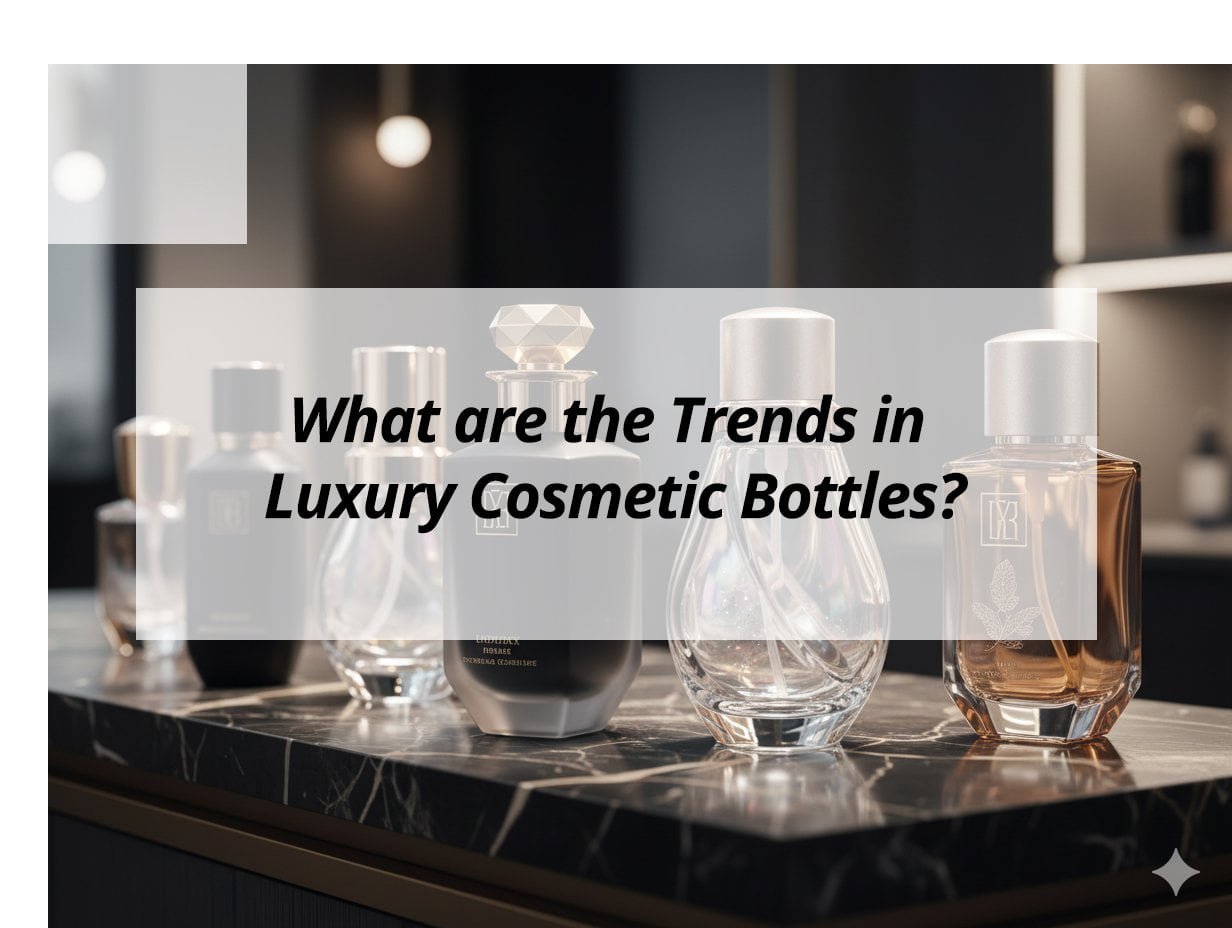
Luxury cosmetic bottles are constantly evolving. They blend aesthetics with new demands. Understanding these trends is key for brands to stay competitive.
Trends in luxury cosmetic bottles focus on refined aesthetics, innovative materials, and enhanced functionality. Key shifts include a strong emphasis on sustainability through refillable systems and PCR materials, personalized designs, and minimalist aesthetics. Technological integration and unique tactile experiences also define the new generation of high-end packaging.
These trends reflect both consumer desires and industry advancements. They push the boundaries of design and material science.
What are the trends in the cosmetics industry?
The cosmetics industry is dynamic and always changing. New consumer demands, technological advancements, and a focus on sustainability drive these shifts. Understanding these broad trends helps to predict packaging needs.
Current trends in the cosmetics industry emphasize sustainability, personalization, and technology integration. Consumers increasingly demand clean beauty products with transparent ingredient lists and ethical sourcing. Refillable packaging, minimalist aesthetics, and data-driven customization are also gaining traction, reflecting a shift towards conscious consumption and individual expression.
These overarching trends influence every aspect of cosmetic production, including how products are packaged.
Sustainability and Eco-Consciousness
Sustainability is a dominant trend. Consumers are more aware of environmental issues. They demand eco-friendly products and packaging. This includes a preference for:
- Recycled Materials: Increased use of Post-Consumer Recycled (PCR)1 plastics, glass, and aluminum.
- Refillable Packaging: Systems where consumers buy a primary container once and then purchase refills. This reduces waste.
- Minimalist Packaging: Designs that use less material and avoid excess layers.
- Biodegradable Materials: Exploring plant-based plastics and other compostable options.
Brands that prioritize sustainability gain consumer trust and loyalty. This affects how luxury cosmetic bottles are designed.
Clean Beauty and Ingredient Transparency
The "clean beauty" movement continues to grow. Consumers want products with safe, non-toxic ingredients. They also demand transparency about ingredient sourcing and manufacturing processes. This pushes brands to:
- Simplify Formulas: Use fewer, but more effective, ingredients.
- Clear Labeling: Provide detailed and easy-to-understand ingredient lists.
- Ethical Sourcing: Ensure ingredients are responsibly and sustainably obtained.
Packaging must communicate these values effectively. It often features minimalist designs that highlight natural ingredients.
Personalization and Customization
Consumers increasingly seek products tailored to their individual needs and preferences. This trend manifests in various ways:
- Customizable Products: Serums or foundations mixed to match specific skin tones or concerns.
- Personalized Packaging: Limited edition designs, engraved names, or custom color palettes.
- AI-Driven Recommendations: Technology that helps consumers find the perfect product matches.
Luxury cosmetic bottles may offer options for engraving or unique finishes. This adds a personal touch.
Digital Integration and E-commerce Growth
The rise of e-commerce continues to reshape the industry. Brands are focusing on:
- Online Presence: Strong digital marketing and direct-to-consumer sales.
- Augmented Reality (AR): Virtual try-on tools for makeup.
- Smart Packaging: Packaging with QR codes or NFC tags for product information or interactive experiences.
Packaging designed for e-commerce must be durable for shipping. It also needs to create a positive unboxing experience.
Health and Wellness Focus
The beauty industry is merging with the wellness sector. This trend emphasizes products that promote overall well-being. This includes:
- Skincare as Self-Care: Products focused on relaxation and stress reduction.
- Holistic Approaches: Ingredients that benefit both skin and mind.
- "Skinimalism": A trend favoring simpler, more effective routines with fewer products.
Packaging often reflects this with soothing colors and natural textures.
Key Trends Shaping the Cosmetics Industry
| Trend | Description | Impact on Product & Packaging |
|---|---|---|
| Sustainability | Eco-conscious consumers, environmental regulations | PCR materials, refillables, minimalist design |
| Clean Beauty | Safe ingredients, transparent sourcing | Clear labeling, natural aesthetics, simple formulas |
| Personalization | Tailored products and experiences | Customizable packaging, individual color matching |
| Digital Integration | E-commerce, AR try-ons, smart packaging2 | Durable shipping packaging, interactive elements |
| Health & Wellness | Products for well-being, holistic approach | Soothing colors, natural textures, self-care messaging |
These trends show a clear direction for the future of cosmetic packaging design.
What is the new packaging for 2025?
Looking ahead to 2025, cosmetic packaging is expected to evolve significantly. The focus will be on addressing current challenges and embracing emerging technologies. New packaging designs will emphasize sustainability, consumer experience, and smart features.
New packaging for 2025 will heavily feature advanced sustainable materials like bio-based and highly recycled plastics, along with innovative refill systems. Designs will prioritize minimalism and modularity, often integrating smart technology for enhanced consumer engagement and traceability. The emphasis will be on creating packaging that is both environmentally responsible and provides a unique brand experience.
This future vision reflects a strong commitment to reducing waste and enhancing functionality. It also aims to meet changing consumer values.
Advanced Sustainable Materials
By 2025, there will be a greater adoption of next-generation sustainable materials.
- High-Performance PCR: Expect higher percentages of Post-Consumer Recycled content in plastics (rPET, rPP, rHDPE) with improved clarity and durability. This allows for premium-looking luxury cosmetic bottles that are also eco-friendly.
- Bio-based and Biodegradable Plastics: Continued innovation in bioplastics derived from renewable resources like sugarcane or algae. These will offer better performance and wider composting options. Biodegradable skincare packaging will become more prevalent.
- Mushroom and Algae-based Packaging: Niche applications will use entirely new materials, such as mycelium (mushroom roots) for protective inserts or algae for bottle components. These offer novel biodegradable solutions.
- Mon-Material Designs: A stronger push for packaging made from a single type of material to simplify recycling processes. This avoids complex mixed-material components.
Innovative Refill and Reuse Systems
Refillable packaging will move beyond basic concepts.
- Standardized Refills: More brands may adopt standardized refill sizes or universal cartridge systems for common products. This makes refilling easier for consumers.
- Closed-Loop Systems: Brands will implement take-back programs. They will allow consumers to return empty containers for cleaning and reuse. This creates a true circular economy.
- Automated Refill Stations: The rise of in-store or community refill stations where consumers can dispense products into their reusable containers.
These systems reduce the need for constant new packaging production.
Minimalism and Modularity
Design aesthetics will favor simplicity and practicality.
- Minimalist Aesthetics: Clean lines, simple graphics, and fewer embellishments will dominate. This conveys a sense of sophistication and conscious consumption.
- Modular Packaging: Designs that allow different product components to be easily separated for recycling or refilling. This also includes stackable or interchangeable elements.
This approach reduces material use and improves end-of-life management.
Smart Packaging and Digital Integration
Technology will play a bigger role in packaging functionality.
- QR Codes/NFC Tags: More widespread use of smart codes on packaging. These link to product information, virtual try-ons, or personalized content.
- Traceability: Packaging will offer enhanced transparency about ingredient origins and supply chain journey. This builds consumer trust.
- Temperature Sensors: For sensitive formulations, packaging might include indicators that show if the product has been exposed to extreme temperatures.
These features enhance the consumer experience and provide valuable data.
Focus on Tactile and Sensory Experience
Even with sustainability, luxury brands will prioritize sensory appeal.
- Unique Textures: Soft-touch coatings, embossed patterns, or frosted finishes.
- Weight and Balance: Thoughtful design to give bottles a premium feel in hand.
- Innovative Closures: Custom-designed caps that offer a satisfying click or smooth twist.
These elements combine to create a memorable and luxurious unboxing experience.
Expected Packaging Innovations by 2025
| Innovation | Description | Benefit for Luxury Cosmetics |
|---|---|---|
| Advanced PCR | High-quality recycled plastics, improved aesthetics | Sustainable luxury, reduced virgin material demand |
| Bio-based Materials | Plant-derived plastics, mushroom packaging | Renewable resources, novel textures |
| Enhanced Refill Systems | Standardized refills, closed-loop programs | Drastic waste reduction, consumer loyalty |
| Minimalist & Modular Design | Simple, separable components | Reduced material, easier recycling, sleek look |
| Smart Technology | QR codes, traceability, sensors | Consumer engagement, transparency, product safety |
| Tactile Experience | Unique finishes, weight, satisfying closures | Elevated brand perception, sensory pleasure |
These trends show a clear path towards more innovative and responsible luxury cosmetic bottles.
What type of packaging does Gen Z like?
Generation Z, often called Gen Z, represents a significant and growing consumer segment. Their values, digital savviness, and social awareness heavily influence their purchasing decisions, including their preferences for cosmetic packaging.
Gen Z prefers packaging that is authentically sustainable, minimalist, and visually appealing for social media. They favor refillable or recycled options, transparent messaging about ingredients and brand ethics, and designs that reflect individuality and inclusivity. Digital integration and unique unboxing experiences also resonate strongly with this demographic.
Brands must adapt their packaging strategies to meet these specific preferences. This helps to connect with this powerful consumer group.
Sustainability and Authenticity
Gen Z is highly concerned about environmental issues. They prioritize sustainable packaging. However, they are also wary of "greenwashing." They look for genuine efforts:
- Recycled and Recyclable: They strongly prefer packaging made from PCR materials or easily recyclable components. They want to see the recycling symbols clearly.
- Refillable Systems: Refillable and reusable packaging resonates deeply. It aligns with their desire to reduce waste.
- Plastic-Free Alternatives: Options like glass, aluminum, or paper-based packaging are often preferred over new plastic.
- Transparency: They want clear communication about a product's environmental footprint.
Brands must be genuinely sustainable and transparent about their efforts.
Minimalism and Clean Aesthetics
Gen Z often favors minimalist designs. This is partly due to the clean beauty trend. It is also because they value simplicity.
- Clean Lines: Simple, uncluttered designs with clear typography.
- Neutral Palettes: Often prefer muted, earthy tones or stark black and white.
- Focus on Ingredients: Packaging that highlights key ingredients and their benefits without excessive adornment.
This aesthetic often translates well to social media, which is crucial for Gen Z.
Social Media Appeal and "Unboxing" Experience
Gen Z lives in a digital world. Packaging needs to be "Instagrammable" and offer a good unboxing experience.
- Visually Appealing: Packaging that looks good in photos and videos is important. This encourages sharing on platforms like TikTok and Instagram.
- Thoughtful Details: Unique textures, clever opening mechanisms, or personalized touches can enhance the unboxing experience.
- Compact and Portable: Smaller, sleek designs that are easy to carry and display.
This aspect of packaging is a direct extension of their digital lifestyle.
Transparency and Ethical Storytelling
This generation values honesty and ethical practices.
- Ingredient Transparency: Clear lists of ingredients and information about their source.
- Ethical Sourcing: Packaging that highlights fair trade, cruelty-free, or vegan claims.
- Brand Values: Packaging that reflects a brand's commitment to social causes or inclusivity.
They want brands that align with their personal values.
Customization and Personalization
Gen Z values individuality. Packaging that offers customization or a sense of personalization is appealing.
- Limited Editions: Special designs or collaborations that feel unique.
- Customizable Features: Packaging that allows for some level of personalization, like interchangeable components.
This speaks to their desire for self-expression.
Gen Z Packaging Preferences
| Preference | Description | Impact on Packaging Design |
|---|---|---|
| Authentic Sustainability | Recycled content, refillable, plastic-free options | PCR materials, robust refill systems, minimal plastic |
| Minimalist Aesthetics | Clean lines, simple visuals, uncluttered | Elegant designs, focus on essential information |
| Social Media Appeal | Visually engaging for photos/videos, unboxing elements | Unique textures, thoughtful presentation |
| Transparency & Ethics | Clear ingredients, ethical claims, brand values | Honest communication, certifications prominently displayed |
| Customization | Individuality, personalized touches | Limited editions, customizable components |
Designing luxury cosmetic bottles3 that resonate with Gen Z means embracing these core values.
Which is the most recent new trend in packaging and labeling?
The world of packaging and labeling is always changing. New trends emerge as technology advances, consumer preferences shift, and environmental concerns grow. Identifying the most recent new trend helps brands stay current.
The most recent new trend in packaging and labeling is the strong emphasis on smart packaging and enhanced digital integration. This trend uses technology like QR codes, NFC tags, and augmented reality to connect physical packaging with digital content. It offers consumers richer product information, interactive experiences, and supply chain transparency, elevating engagement beyond traditional labels.
This trend reflects the increasing fusion of physical products with digital experiences. It transforms how consumers interact with packaging.
Smart Packaging and Digital Integration
This is the most impactful recent trend. It involves embedding technology into packaging or using digital tools to enhance its functionality.
- QR Codes and NFC Tags: These codes are becoming standard. They link consumers to product details, usage tutorials, sustainability reports, or loyalty programs. For luxury cosmetic bottles, this offers an interactive way to explore ingredients or brand stories.
- Augmented Reality (AR): AR features allow consumers to "try on" makeup virtually by scanning the package with a phone. This enhances the shopping experience, especially online.
- Blockchain for Traceability: Some brands use blockchain technology. This allows consumers to trace ingredients from source to shelf. It provides transparency and builds trust.
This trend bridges the physical and digital worlds. It creates a more engaging consumer experience.
Enhanced Sustainability Communication
While sustainability is an ongoing trend, the communication around it is evolving.
- Clearer Recycling Instructions: Labels now provide more explicit and standardized instructions on how to recycle each component. This avoids confusion.
- Carbon Footprint Labels: Some brands are starting to label products with their carbon footprint. This offers tangible environmental data.
- Refill System Icons: Universal icons clearly indicate if packaging is refillable or part of a take-back program.
This transparent communication helps consumers make more informed, eco-conscious choices.
Personalization at Scale
Beyond basic customization, new technologies allow for greater personalization.
- Variable Data Printing: This technology allows each package to be uniquely printed. This can include personalized messages or serial numbers for limited editions.
- AI-Driven Design: Artificial intelligence helps brands create packaging designs that resonate with specific consumer segments.
- On-Demand Customization: Consumers can sometimes customize aspects of their packaging. This is often done directly on a brand's website.
This trend meets the growing consumer desire for unique products.
Tactile and Multi-Sensory Packaging
To stand out in a digital world, physical packaging is emphasizing sensory experiences.
- Unique Textures: Soft-touch coatings, embossed patterns, and textured finishes create a memorable tactile experience.
- Haptic Feedback: Some luxury cosmetic bottles incorporate materials that feel premium in hand.
- Scented Packaging: While less common for cosmetics, some packaging may subtly incorporate scents related to the product.
These elements create a deeper connection between the consumer and the product.
Emphasis on Transparency and Storytelling
Consumers want to know more about what they are buying.
- Minimalist Design with Key Info: Packaging remains minimalist but ensures critical information is clearly visible.
- Brand Story Integration: Graphics or text that tell the brand's unique story, heritage, or mission.
- Ethical Claims: Clear communication about cruelty-free, vegan, or fair-trade certifications.
This trend builds trust and emotional connection.
Recent Trends in Packaging and Labeling
| Trend | Description | Impact on Luxury Cosmetic Bottles |
|---|---|---|
| Smart Packaging/Digital Integration | QR/NFC codes, AR, blockchain for traceability | Interactive experiences, product info, transparency |
| Enhanced Sustainability Communication | Clearer recycling, carbon footprint labels | Guides consumer action, builds trust in eco-claims |
| Personalization at Scale | Variable printing, AI design, on-demand customization | Unique products, caters to individual preferences |
| Tactile & Multi-Sensory | Unique textures, weight, satisfying closures | Elevated unboxing experience, premium feel |
| Transparency & Storytelling | Clear info, brand mission, ethical claims | Builds trust, fosters emotional connection |
These trends highlight a sophisticated approach to modern packaging design.
My Insights: Trends in Luxury Cosmetic Bottles
Trying to keep up with the latest in luxury cosmetic packaging? Discover the trends driving elegance and sustainability in high-end bottles.
Luxury cosmetic bottles embrace sustainable materials, minimalist designs, and smart features. Unique shapes and customizable options enhance brand identity, while vintage inspirations and metallic finishes add exclusivity and nostalgia.
Exploring the Trends in Luxury Cosmetic Packaging
Sustainability Focus:
Refillable glass and aluminum systems lead the way by reducing waste and encouraging reuse. Biodegradable options like bamboo and plant-based materials break down naturally, while recyclable mono-materials simplify recycling processes.
Minimalist Designs:
Luxury brands prefer clean lines, monochrome palettes, and subtle embossing. Matte finishes, soft-touch surfaces, and neutral tones convey understated elegance, moving away from flashy aesthetics.
Functional Innovations:
Innovations like airless pumps and smart features extend shelf life and prevent contamination. Dispensing technologies like mist sprayers and droppers enhance usability, with UV-protective glass preserving product quality.
Customization Trends:
Personalized engraving, limited editions, and modular components offer exclusivity. Premium finishes such as hot stamping and tactile textures elevate brand presence on shelves.
Comparing Key Trends:
| Trend | Description | Impact on Market |
|---|---|---|
| Sustainable Materials | Emphasis on eco-friendly components | Reduces environmental impact, attracts eco-consumers |
| Minimalist Designs | Simple, elegant look | Appeals to modern aesthetics |
| Functional Innovations | Smart dispensing, longevity solutions | Improves usability and shelf life |
| Customization | Personalization and exclusivity options | Builds unique brand identity |
The fusion of sustainability and refined aesthetics in luxury cosmetic bottles meets consumer demands for eco-conscious luxury without sacrificing sophistication.
Conclusion
Luxury cosmetic bottle trends prioritize sustainability, personalization, and digital integration. They embrace advanced materials like PCR, innovative refill systems, and smart tech. This creates a refined, responsible, and engaging experience for today's discerning consumer.