In the competitive world of cosmetics packaging, standing out is essential. Heat transfer printing offers a vibrant solution. How can this method elevate your brand's packaging?
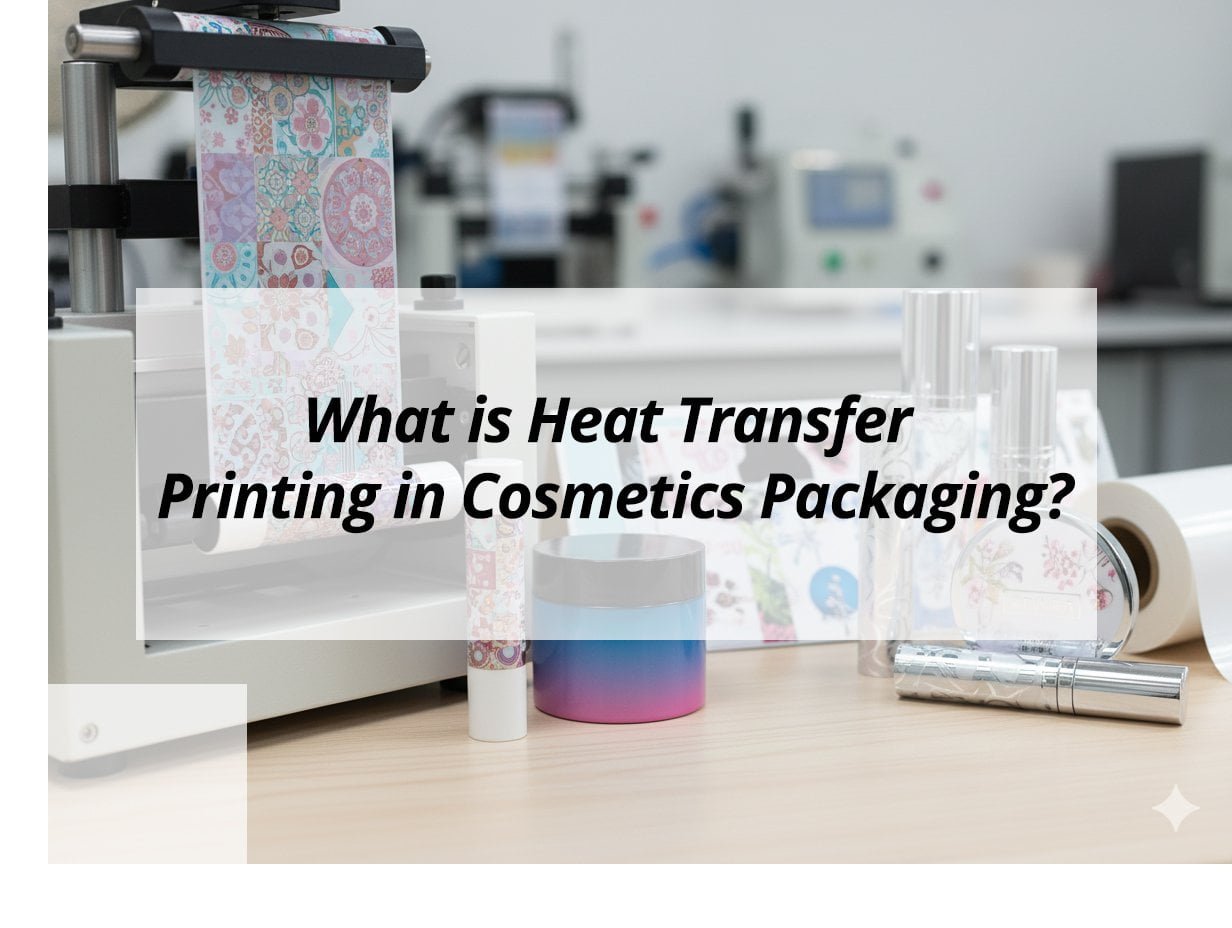
Heat transfer printing in cosmetics packaging uses heat and pressure to transfer pre-printed designs onto surfaces. It ensures precision, vibrant results, and durability, effectively boosting brand visibility and appeal. This technique is ideal for detailed and multicolored designs, helping products stand out in the competitive cosmetics market.
Heat transfer printing is a popular choice in cosmetics due to its versatility and high-quality outcomes. Let’s delve into its specifics to help you understand its potential benefits.
What is heat transfer printing?
This printing technique transforms packaging design with vibrant colors and sharp detail. But what exactly does it involve?
Heat transfer printing uses heat and pressure to embed designs onto a surface. It ensures high precision and quality, making it ideal for detailed and multicolor artwork in cosmetics packaging1.
Let’s explore how this process works and why it's a preferred method in the cosmetic industry.
Understanding Heat Transfer Printing
Heat transfer printing is not just about applying ink. It's a sophisticated process that ensures durability and aesthetic appeal.
How It Works
- Preparation: Designs are printed on a transfer paper using sublimation inks.
- Application: The transfer paper is placed on the product surface.
- Heat and Pressure: Heat presses the design onto the surface, with pressure ensuring the ink adheres securely.
- Finished Product: The result is a crisp and durable print.
Why Choose Heat Transfer Printing?
- Precision: It yields high-resolution prints, essential for intricate logos and designs.
- Durability: Resistant to fading and smudging, ensuring longevity.
- Versatility: Suitable for various materials including plastics and glass.
Understanding the process empowers you to choose the right method for your packaging needs.
What are the disadvantages of heat transfer printing?
Despite its benefits, heat transfer printing2 has drawbacks that may affect its choice for certain products.
The disadvantages include higher costs for setup and material, potential for reduced durability in harsh conditions, and limitations in design size and complexity for some applications.
Exploring these limitations can guide you in making informed decisions for your brand's packaging strategy.
Recognizing the Challenges of Heat Transfer Printing
Like any method, heat transfer printing has limitations that brands must consider when choosing their packaging solutions.
Main Disadvantages
- Cost: Initial setup can be expensive due to specialized equipment and materials.
- Durability: While prints are generally durable, exposure to extreme heat or moisture can affect longevity.
- Design Constraints: Complex designs involving gradients or very large prints may require alternative methods.
Considering Alternatives
- Cost Analysis: Compare the cost-effectiveness to silk screen or pad printing.
- Environmental Conditions: Assess product exposure to conditions that may reduce print lifespan.
- Complexity Evaluation: Determine if simpler designs might suit other methods better.
Weighing these factors helps tailor the best printing approach for your product needs.
How long do heat transfer prints last?
Longevity is key in cosmetics packaging. How reliable is heat transfer printing?
Heat transfer prints typically last long due to their durability and resistance to wear and tear, sustaining vibrant colors and detail over time, accommodating standard cosmetic use.
Understanding the lifespan of these prints helps ensure your product maintains its visual appeal throughout its lifecycle.
Factors Affecting Print Longevity
Several factors determine how long heat transfer prints can maintain their aesthetic integrity.
Longevity Influencers
- Material Quality: Durable substrates can extend print lifespan.
- Usage Conditions: Regular handling or exposure to moisture affects longevity.
- Print Care: Proper maintenance can preserve vibrant colors longer.
Maximizing Print Duration
- Choose Quality Materials: Opt for substrates that interact well with heat transfer prints.
- Environmental Considerations: Store products properly to minimize wear.
- Regular Maintenance: Implement cleaning techniques to uphold print quality.
Strategic planning ensures your packaging retains its intended look and feels throughout its usage period.
What are the benefits of heat transfer printing?
This printing method is favored in cosmetics for several compelling reasons. What advantages does it offer?
Heat transfer printing provides excellent color vibrancy, economic efficiency for short runs, and adaptability across diverse materials, enhancing packaging appeal and marketability effectively.
Capitalizing on these advantages can elevate your brand presentation and product differentiation.
Embracing the Benefits
Understanding the advantages helps maximize the method’s potential for your brand’s success.
Key Benefits
- Vibrancy: High color resolution enhances product appeal.
- Economical: Cost-effective for small or custom batches.
- Versatility: Suitable for various material types, broadening design scope.
Implementation Strategies
- Color Enhancement: Utilize vivid designs to capture consumer attention.
- Cost Efficiency: Optimize for small-batch or personalized products.
- Material Expansion: Explore different substrates for diverse packaging needs.
Highlighting these benefits drives competitive advantage and improves consumer engagement with your products.
My insights: The Heat Transfer Printing in Cosmetics Packaging
Interested in boosting your cosmetic brand's visual appeal? Learn how heat transfer printing offers high-quality, durable designs for packaging.
Heat transfer printing in cosmetics packaging involves transferring pre-printed designs from a carrier film to surfaces like plastics or glass using heat and pressure. This technique delivers high-quality, multi-color designs with precise detail, enhancing durability and aesthetic appeal for branding and decorative purposes.
The Process and Benefits of Heat Transfer Printing in Cosmetics Packaging
The Process:
Heat transfer printing begins with a design printed onto a carrier material, often coated with adhesive or wax releases. Equipment such as a press or rubber blanket applies heat and pressure, activating the coating and bonding the design seamlessly onto the substrate. This method is effective for both flat and curved surfaces, accommodating diverse packaging needs.
Benefits and Material Compatibility:
Suitable for materials like plastics, glass, metals, and flexible tubes, heat transfer printing is ideal for perfume bottles, mascara tubes, and cosmetic containers. Its capability to handle intricate, multi-color designs in a single step reduces production time while delivering unparalleled graphic quality and color consistency. These features ensure a premium, durable finish that withstands scratching and fading, enhancing brand appeal.
Comparison with Other Methods:
| Aspect | Heat Transfer Printing | Screen/Pad Printing |
|---|---|---|
| Graphic Quality | High, with precise detail | Moderate, less fine detail |
| Multi-color Capability | Complex designs in one processing step | Requires multiple processing steps |
| Durability | High resistance to scratching and fading | Moderate, can experience wear |
| Surface Compatibility | Works on curved and irregular shapes | Limited to certain shapes |
Heat transfer printing's efficiency and eco-friendly options3 with non-toxic inks make it an optimal choice for cosmetic packaging, offering a glossy finish that elevates the product's luxurious appearance and market competitiveness.
Conclusion
Heat transfer printing offers vibrant, durable, and versatile packaging solutions, ensuring your cosmetics stand out in a competitive market.