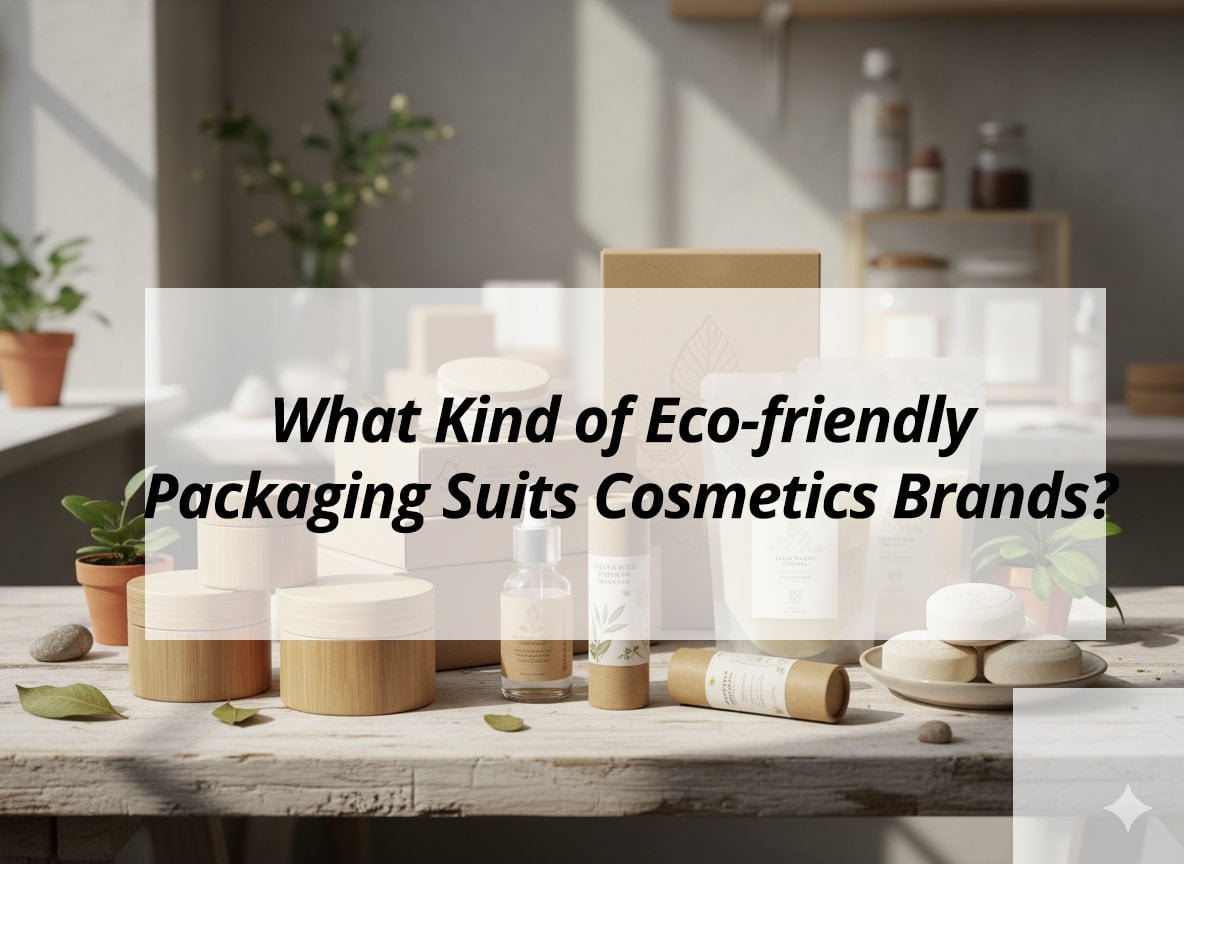
In today's world, eco-friendly packaging is not just a trend but a necessity. Cosmetic brands are under pressure to choose sustainable packaging. But what are the best options?
Eco-friendly packaging for cosmetics minimizes environmental impact by utilizing sustainable materials such as recycled paper, biodegradable plastics, and glass. These choices help reduce waste, conserve resources, and boost brand image, meeting consumer expectations for sustainable practices in the beauty industry.
Sustainability is now a key factor for many brands. Eco-friendly packaging isn't just good for the planet; it aligns with consumer values and can enhance brand loyalty.
What is eco-friendly packaging for cosmetics?
Choosing the right packaging is crucial in the cosmetics industry. Consumers are increasingly eco-conscious and seek brands that reflect their values.
Eco-friendly packaging for cosmetics1 involves materials and processes that minimize environmental harm. It typically uses recycled, biodegradable, or reusable materials, reducing carbon footprint and waste. Brands that adopt such packaging can improve customer perceptions and support sustainability efforts.
Key Features of Eco-friendly Packaging
- Material Choice: Made from recycled or natural materials.
- Biodegradable Options: Breaks down naturally without harming the environment.
- Reusability: Encourages consumers to reuse or recycle packaging components.
| Material | Sustainability Feature |
|---|---|
| Glass | Easily recyclable, signifies luxury. |
| Recycled Paper | Reduces waste, often used for outer packaging. |
| Biodegradable Plastics | Environmentally friendly, breaks down quickly. |
Embracing eco-friendly packaging means balancing aesthetics, functionality, and sustainability. Brands can lead by example, showing consumers that beauty doesn’t have to harm the planet. By integrating these elements, companies can effectively communicate their environmental commitment, which is becoming increasingly important for market differentiation.
What type of packaging is most environmentally friendly?
The variety of sustainable options can be overwhelming. Identifying the best choice requires a deep understanding of materials and their impact.
Biodegradable and recyclable materials stand out as the most environmentally friendly. These materials lessen landfill waste and can be repurposed or decomposed safely. The right choice depends on the product type, usage, and brand ethos.
Comparing Sustainable Materials
- Recyclable vs. Biodegradable: Glass is recyclable and can be reused, whereas certain biodegradable plastics and papers naturally decompose.
- Cost vs. Impact: Sustainable materials can be pricier, but their environmental benefits often justify the cost.
- Glass: Offers a recyclable and premium feel but is fragile and has higher shipping costs.
- Recycled Plastics: Durable and versatile, though they may lack aesthetic appeal.
- Bamboo: Rapidly renewable and stylish, yet less durable and more expensive.
By choosing the right materials, brands can create packaging that is both beautiful and sustainable, ultimately supporting their broader environmental goals. Brands must also balance consumer appeal with sustainable initiatives, ensuring that both objectives are met without compromising one for the other.
What is the most environmentally friendly makeup brand?
Consumers frequently wonder which brand leads in eco-friendly practices. A closer look at industry leaders offers valuable insight.
Several makeup brands have positioned themselves as environmentally conscious, adopting eco-friendly packaging, ethical sourcing, and sustainable manufacturing2. These practices highlight their commitment to reducing environmental impact while maintaining product quality.
Exploring Leading Brands
- Ethical Sourcing: Brands that prioritize ethical ingredient sourcing reinforce their sustainability message.
- Sustainable Manufacturing: Using green energy and reducing waste in production processes enhances eco-credibility.
| Brand | Sustainability Initiatives |
|---|---|
| Brand A | Uses only recycled packaging |
| Brand B | Solar-powered production, ethical sourcing3 |
| Brand C | Minimal packaging, refillable options4 |
- Leading brands set a high standard by integrating environmental responsibility with business success.
- By committing to sustainability, these brands build trust and loyalty among eco-conscious consumers.
- Their dedication to eco-friendly practices reinforces their strong market position.
Is Fenty Beauty packaging sustainable?
The popularity of Fenty Beauty raises questions about its sustainability efforts. Consumers are eager to know if this brand matches their eco-friendly expectations.
Fenty Beauty has made strides in sustainable packaging, incorporating recycled materials5 and reducing packaging waste. Their efforts reflect a broader industry trend towards sustainability, aligning with consumer preferences.
Assessing Fenty Beauty's Sustainability
- Material Usage: Employs recycled plastics and paper.
- Packaging Design: Focus on reducing excess packaging and encouraging recycling.
| Effort | Description |
|---|---|
| Recycled Materials | Utilizes recycled plastics in packaging |
| Compact Design | Less material usage, minimizing waste |
Fenty Beauty’s initiatives highlight their commitment to sustainability, making them an appealing choice for environmentally conscious consumers. These efforts not only enhance their brand image but also encourage other industry players to adopt similar practices, fostering a more sustainable future for all.
My insights: Eco-friendly Packaging Options for Cosmetics Brands
Concerned about environmental impact? Discover eco-friendly packaging solutions perfect for cosmetics brands aiming for sustainability.
Eco-friendly packaging for cosmetics includes recycled and biodegradable materials, refillable options, and glass or aluminum containers. These solutions reduce waste, lower carbon footprints, and meet consumer demands for sustainable practices without compromising product protection.
Exploring Sustainable Packaging Solutions for Cosmetics
Sustainable Materials and Features:
-
Recycled and Renewable Resources: Recycled plastics, bamboo, and paper reduce environmental impact and waste. These align with eco-conscious values, showcasing a commitment to sustainability.
-
Biodegradable and Plant-Based Plastics: PLA from cornstarch or sugarcane decomposes naturally, ideal for single-use or sample products.
-
Glass and Aluminum: Durable and infinitely recyclable, these materials lower carbon footprints. Glass is ideal for skincare, while aluminum suits lipsticks and powders.
Innovative Packaging Approaches:
-
Refillable Containers: Minimize waste with refillable skincare and deodorant packaging.
-
Mono-material Packaging: Enhance recyclability by avoiding mixed-material designs.
-
Smart Labeling: QR codes reduce paper use while providing essential product information.
Examples from Leading Brands:
-
Lush: Offers minimal packaging6 and a recycling program.
-
REN Clean Skincare: Uses ocean-sourced plastic for 100% recycled packaging.
-
Dove and L'Occitane: Use refillable packs to cut packaging waste.
-
Garnier: Employs bio-based polyethylene for carbon reduction.
By integrating sustainable materials and innovative solutions, cosmetics brands can balance environmental responsibility with brand identity and consumer appeal, driving eco-friendly progress in the industry.
Conclusion
Eco-friendly packaging is crucial in the cosmetics industry, resonating with consumers who prioritize the planet. Brands that commit to sustainable practices not only enhance their image but also contribute to a healthier world.
-
Explore this link to understand how eco-friendly packaging can enhance brand image and meet consumer demands. ↩
-
Learn about the role of sustainable manufacturing in reducing environmental impact. ↩
-
Explore how ethical sourcing practices contribute to sustainability and brand integrity. ↩
-
Understand how refillable options can minimize waste and enhance customer loyalty. ↩
-
Learn about the advantages of recycled materials in reducing waste and promoting sustainability. ↩
-
Understand the significance of minimal packaging in reducing waste and enhancing sustainability. ↩