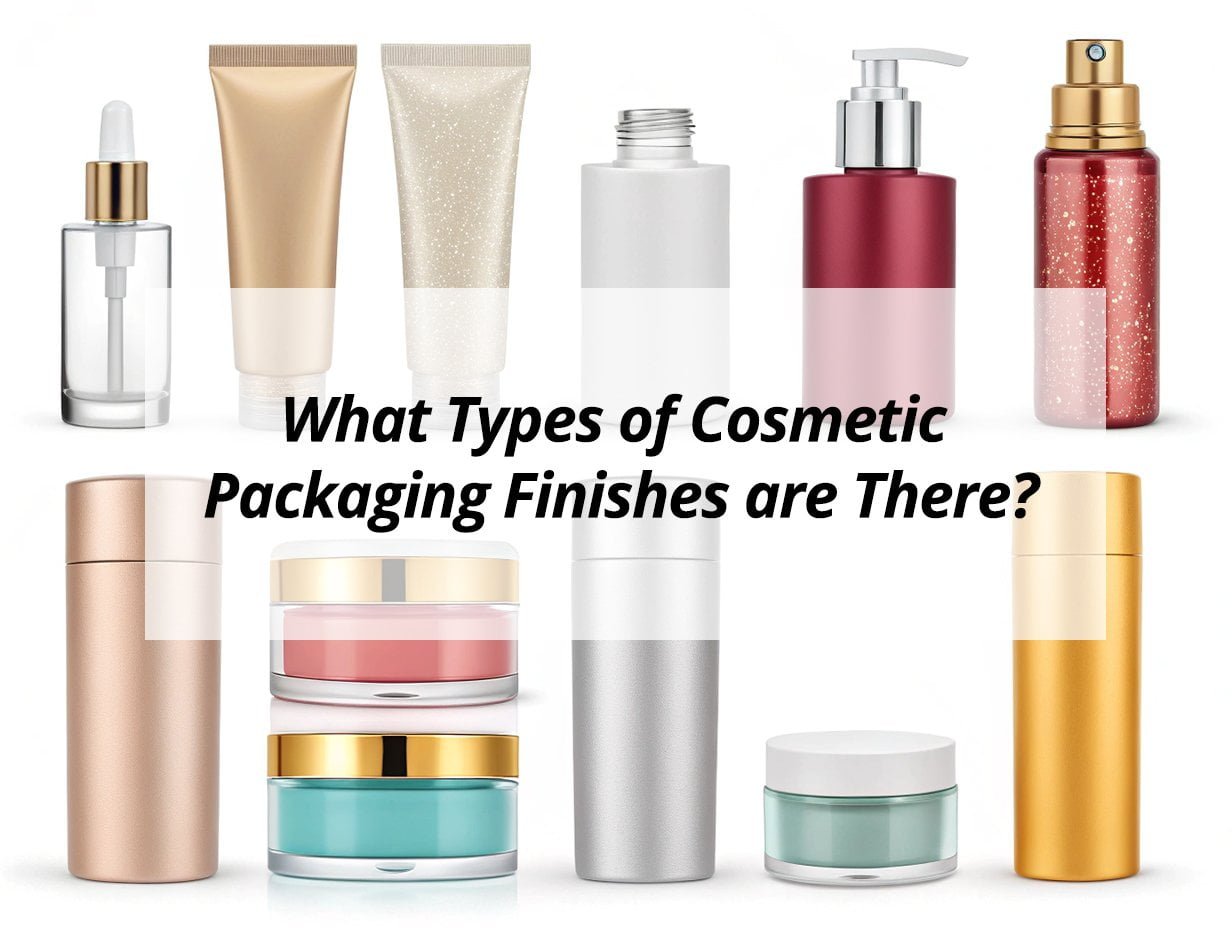
Choosing the right finish for cosmetic packaging can transform the appeal of your products, enhancing brand image.
Cosmetic packaging finishes include matte, gloss, metallic, pearlescent, soft-touch, textured, holographic, transparent, opaque, and specialty coatings - each creating different aesthetic effects, tactile experiences, and brand perceptions ranging from luxury sophistication to natural simplicity.
Explore the diverse options for cosmetic packaging finishes and discover how they contribute to product distinction and consumer appeal.
What are the 4 types of packaging?
Packaging plays a crucial role in preserving product quality and enhancing aesthetic appeal.
The four types of packaging are primary, secondary, tertiary, and quaternary, each serving specific purposes in product protection, promotion, and transportation.
Understanding these types helps you make informed decisions about packaging for cosmetics, ensuring products stay safe and attractive.
Exploring Different Packaging Layers
Packaging encompasses several layers, each with a distinct role. Primary packaging is in direct contact with the product, crucial for protection and customer interaction. Examples include lipstick tubes and cream jars. Secondary packaging often involves branded boxes or sleeves that serve promotional purposes and provide additional protection. Tertiary packaging includes bulk boxes used in transport. Quaternary packaging involves pallets, mainly for large-scale distribution. By employing these layers effectively, manufacturers ensure product integrity from the cosmetic packaging factory to the consumer's hands.
Packaging Layers Table
| Packaging Type | Purpose | Examples |
|---|---|---|
| Primary | Product protection, display | Lipstick tube, lotion bottle |
| Secondary | Branding, additional safety | Branded box, paper sleeve |
| Tertiary | Bulk handling | Large cardboard boxes |
| Quaternary | Large-scale distribution | Pallets, shipping containers |
What are the three types of finishes?
Finishes give cosmetic packaging its tactile and visual appeal, influencing consumer choices.
The three main types of finishes are matte, gloss, and metallic, each offering distinct aesthetic and tactile experiences for packaging.
Let’s delve into how these finishes impact the packaging for cosmetics and enhance brand identity.
Understanding Packaging Finishes
Cosmetic packaging finishes are not just about appearance; they affect consumer perception significantly. Matte finishes offer a sophisticated, elegant look, providing a luxurious feel with subdued reflections. Gloss finishes are vibrant, enhancing color and catching light to create attention-grabbing shelf presence. Metallic finishes introduce a premium aesthetic through sleek, reflective surfaces, often associated with high-end products. Choosing the right finish can make cosmetic packaging stand out, influencing purchasing decisions and enhancing overall brand perception.
Types of Finishes Overview
- Matte Finish: Soft, non-reflective, luxury feel.
- Gloss Finish: Shiny, vibrant, attention-grabbing.
- Metallic Finish: Sleek, premium, reflective quality.
What are the packaging options for skincare?
Selecting packaging for skincare requires balancing protection with aesthetic appeal while meeting consumer preferences.
Skincare packaging options include tubes, jars, bottles, and pumps, each designed to maintain product integrity and provide convenient, hygienic dispensing.
Consider the variety of packaging for cosmetics to find solutions that enhance customer experience and reflect brand values.
Exploring Skincare Packaging Solutions
When selecting skincare packaging, it’s essential to consider functionality and consumer interaction. Tubes are versatile, minimizing exposure to air and ensuring easy application. Jars offer aesthetic appeal, allowing for rich textual design but need innovations like inner lids for hygiene. Bottles, popular for serums and lotions, provide precise dispensing but require secure sealing mechanisms to prevent leaks. Pumps combine convenience with hygiene, ideal for products prone to contamination. Each packaging choice supports different textures and formulas, helping skincare brands offer diverse, reliable product solutions.
Skincare Packaging Breakdown
| Packaging Type | Ideal For | Benefits |
|---|---|---|
| Tubes | Creams, gels | Low product exposure, easy dispensing |
| Jars | Butters, scrubs | Aesthetic appeal, wide openings |
| Bottles | Serums, lotions | Secure sealing, precise dispensing |
| Pumps | Liquids, creams | Hygienic dispensing, controlled usage |
What are the different types of cosmetic boxes?
Cosmetic boxes are crucial for brand display and product protection, offering diverse styles and functions.
Different types of cosmetic boxes include folding cartons1, rigid boxes, custom sleeves2, and display boxes, each serving unique protective and promotional purposes.
Let’s review how these box types elevate packaging for cosmetics, supporting brand storytelling and product safeguarding.
Cosmetic Box Options and Advantages
Cosmetic boxes significantly impact brand presentation and consumer perception. Folding cartons are versatile, cost-effective, and easily customized, commonly used for retail packaging. Rigid boxes provide robust protection and a premium unboxing experience, often used for luxury items. Custom sleeves add personalized branding to existing packaging, facilitating seasonal marketing efforts. Display boxes effectively showcase products on retail shelves, boosting visibility and engagement. Selecting the right box type ensures cosmetic products are not only protected but presented in a way that captivates consumers.
Cosmetic Box Options Overview
- Folding Cartons: Flexible, customizable, practical.
- Rigid Boxes: Strong, premium feel, excellent protection.
- Custom Sleeves: Personalized, ideal for branding.
- Display Boxes: Enhance visibility, attract retail attention.
My insights: The Types of Cosmetic Packaging Finishes are There
Transform your product's appeal with the perfect cosmetic packaging finish, enhancing brand identity and capturing consumer attention effortlessly.
Cosmetic packaging finishes include matte, glossy, metallic, frosted, soft-touch, embossed, satin, holographic, and textured options. Each finish offers unique aesthetic and tactile experiences, enhancing brand presence and consumer engagement.
Understanding Cosmetic Packaging Finishes
Glossy and Matte Finishes
- Glossy Finish: Offers a shiny, reflective look, ideal for vibrant color reproduction, making products visually striking.
- Matte Finish: Provides a non-reflective, smooth surface, conveying sophistication and elegance, popular with luxury brands.
Specialized Finishes
- Metallic Finish: Achieved through coatings, offering a mirror-like effect associated with luxury.
- Soft-Touch Finish: Adds a velvety texture over matte, enhancing sensory appeal for high-end products.
Unique and Creative Finishes
- Embossed/Texture Finish: Adds tactile interest and uniqueness, enhancing brand recognition.
- Holographic and Gradient Finishes: Offer dynamic visual effects, reflecting creativity and innovation.
Choosing the Right Finish
Consider the desired brand image, target audience, and product type when selecting finishes. For a premium feel, matte and metallic might be best, while glossy or holographic can attract younger or more dynamic markets.
| Finish Type | Key Characteristics |
|---|---|
| Glossy | Shiny, vibrant, eye-catching |
| Matte | Non-reflective, elegant, premium |
| Metallic | Mirror-like, luxurious, innovative |
| Soft-Touch | Velvet-like, enhances tactile experience |
These finishes allow brands to creatively differentiate, making them essential for engaging consumers and building lasting brand identity.
Conclusion
Cosmetic packaging finishes and options offer diverse benefits, enhancing both product protection and presentation, allowing brands to captivate consumers effectively.