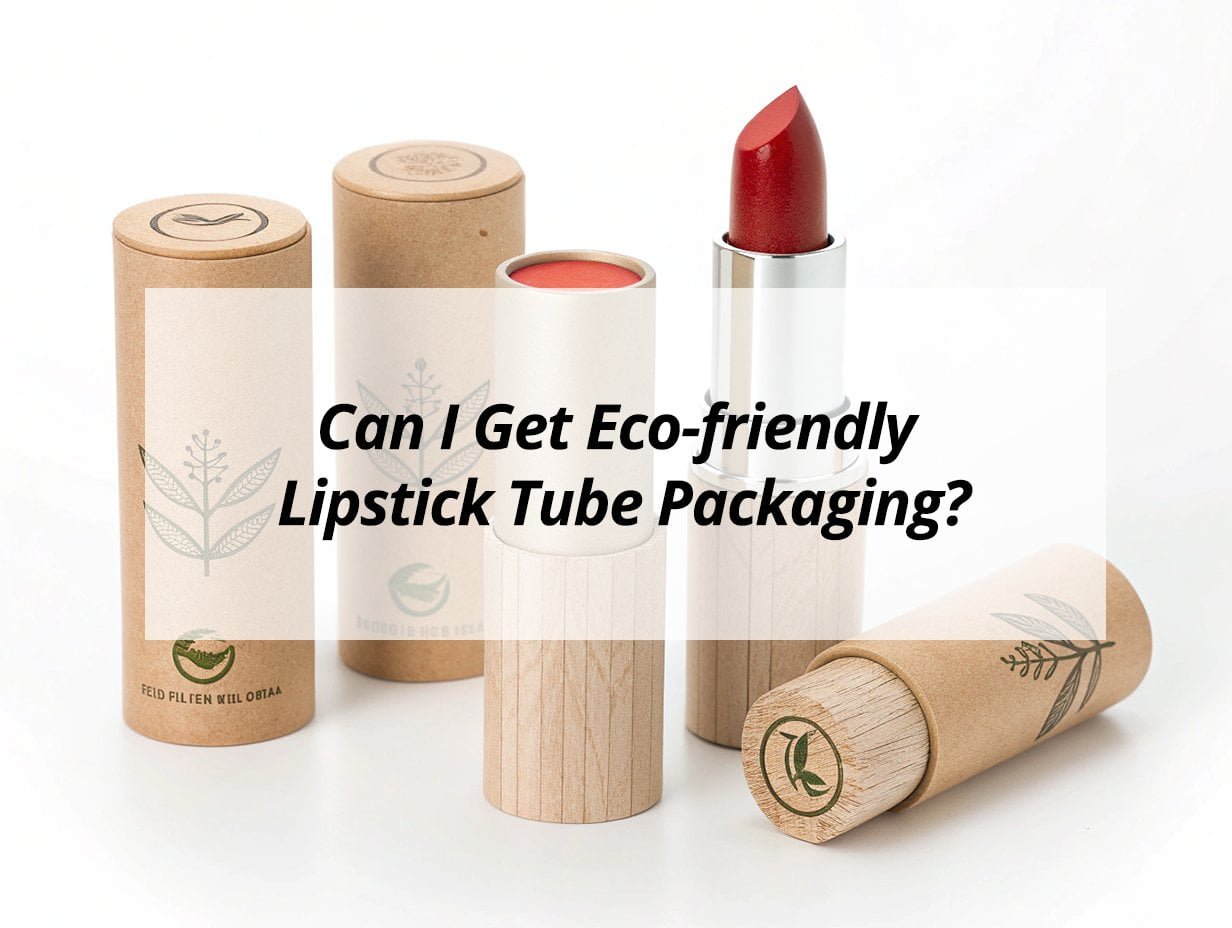
In today’s eco-conscious world, brands are under increasing pressure to find sustainable packaging solutions. How can you explore eco-friendly options for lipstick tubes effectively?
Eco-friendly lipstick tube packaging options include biodegradable plastics, recyclable materials, and innovative custom cardboard tubes. These solutions align with sustainability goals by reducing environmental impact, meeting consumer demands for greener products, and enhancing brand reputation through responsible material use and innovative designs.
Sustainable packaging is not just a trend but a necessity in the beauty industry. Diving deeper into the possibilities helps you make informed decisions that resonate with environmentally conscious consumers.
Are lipstick tubes recyclable?
The beauty industry is shifting towards sustainability, and recyclability is a crucial aspect. But what makes lipstick tubes1 recyclable?
Not every lipstick tube is recyclable due to mixed materials, yet options such as cardboard cosmetic tubes2 and biodegradable lipstick tubes3 enhance recyclability. The right material choice can make a significant environmental difference.
It's essential to choose materials that support recycling initiatives and meet consumer demands for eco-friendly products.
Recyclability
Lipstick tubes' recyclability depends significantly on the materials used. Here's how different materials stack up:
- Plastics: Common but challenging due to mixed material use.
- Cardboard Balm tubes: These offer better recyclability. They are lightweight and typically more straightforward to recycle.
- Biodegradable Options: These break down more naturally over time, reducing their lifecycle impacts.
Key Considerations:
- Material Transparency: Consumers appreciate knowing if their products are recyclable.
- Processing Facilities: Availability of local facilities affects recycling rates.
- Consumer Engagement: Educate consumers on how to dispose of packaging responsibly.
Choosing recyclable materials is a commitment that benefits both brand reputation and environmental health, enhancing long-term consumer loyalty.
What packaging is the most environmentally friendly?
As brands consider their environmental impact, the quest for the most eco-friendly packaging is crucial. So, what should they look for?
Biodegradable and recyclable materials like cardboard offer the best eco-friendly options. Custom lip balm tubes and cardboard cosmetic tubes decrease environmental impact and promote brand sustainability.
Brands must balance their environmental efforts with market needs to achieve successful sustainable packaging solutions.
sustainable solutions
Selecting the most environmentally friendly packaging requires considering several factors:
- Sustainable Materials: Opt for materials such as biodegradable lip balm tubes that decompose naturally.
- Eco-friendly Production: Ensure manufacturing processes minimize waste and energy use.
- Lifecycle Assessment: Evaluate the complete lifecycle of packaging to identify environmental impacts.
Comparative Analysis:
| Material | Attributes | Environmental Benefits |
|---|---|---|
| Cardboard Cosmetic Tubes | Lightweight, fully recyclable | Reduced landfill, less energy-intensive |
| Biodegradable Materials | Naturally decomposing | Lower long-term environmental impact |
| Custom Cardboard Lip Balm Tubes | Tailorable, compostable | Enhance brand identity while being eco-conscious |
Brands aiming for sustainability must choose materials that support their environmental commitments. This approach resonates with consumers and strengthens brand identity.
What to do with empty chapstick tubes?
Dealing with empty chapstick tubes responsibly reinforces a brand’s sustainability efforts. What can consumers do with these empties?
Consumers can recycle or creatively reuse empty chapstick tubes, such as transforming them into shaker containers for powder. Proper disposal and reuse reduce environmental impact.
Promoting responsible disposal practices can foster stronger brand-consumer relationships while minimizing waste.
Post-use solutions
Here’s how consumers can handle empty tubes:
- Recycling: Awareness of local recycling capabilities is crucial. Brands should guide consumers on proper disposal methods.
- Repurposing: Innovatively repurposing, like using them as containers for small items, extends utility.
- Brand Initiatives: Developing take-back or recycling programs can actively engage consumers and demonstrate environmental commitment.
By adopting these strategies, brands empower consumers to contribute positively to environmental efforts, reinforcing sustainability values.
Does rare beauty have sustainable packaging?
Rare Beauty’s commitment to sustainability is a topic of interest. How does it align with eco-friendly packaging practices?
Rare Beauty integrates sustainable practices to varying degrees, emphasizing innovative materials and transparent sustainability goals. This demonstrates a commitment to reducing environmental impact throughout the product lifecycle.
Understanding how large brands integrate sustainability practices informs consumer decisions and industry standards.
Rare Beauty’s practices
Here’s how Rare Beauty approaches sustainable packaging:
- Material Innovation: Utilize materials like cardboard and responsible plastics to limit environmental impacts.
- Transparency and Communication: Clearly communicate sustainability initiatives and progress to consumers.
- Lifecycle Perspective: Focus on reducing environmental burden from production to post-consumer disposal.
These efforts reflect Rare Beauty’s commitment to sustainability, aligning with consumer demand for eco-friendly solutions. Brands following this lead strengthen their environmental presence and foster positive consumer relations.
My Insights: Crafting Eco-friendly Lipstick Tube Packaging
Navigating the diverse world of sustainable packaging can feel overwhelming. Fortunately, emerging materials and innovative designs provide ample opportunities for brands to reduce their environmental impact.
Sustainable lipstick packaging options include biodegradable materials, refillable tubes, or recyclable metals. Each solution offers unique benefits, from enhanced brand appeal to long-term environmental impact reduction.
Sustainable packaging options
To choose the best eco-friendly lipstick tube, consider these elements:
Best Material Options:
-
Paper-based Lipstick Tubes:
- Pros: Fully recyclable, compostable, strong branding potential.
- Cons: Less durable, moisture-sensitive.
- Ideal For: Clean beauty, eco-focused brands.
-
Recyclable Metal Tubes (Aluminum):
- Pros: Durable, highly recyclable.
- Cons: Higher cost, need for robust refill systems.
- Ideal For: Premium, long-life products.
-
Recycled-content Plastics (PCR Plastics):
- Pros: Maintains traditional aesthetics.
- Cons: Varied recycling infrastructure.
- Ideal For: Brands balancing aesthetics with sustainability.
Sustainable Design Patterns:
- Refills and Closures:
- Lowers waste, supports a strong sustainability story.
- Minimalist Components:
- Easier recycling, clarifies environmental claims.
Practical Steps:
- Define your sustainability goal.
- Select materials aligning with your brand vision.
- Partner with certified suppliers.
- Plan end-of-life messaging for consumers.
- Pilot new designs before full-scale launch.
Combining strategic material choices and effective consumer communication boosts brand reputation and reinforces commitment to sustainability.
Conclusion
Exploring eco-friendly packaging offers brands a pathway to sustainability. By focusing on materials like biodegradable tubes and integrating sustainable practices, brands can meet consumer expectations and contribute positively to environmental challenges.
-
Explore this link to understand the various recycling options available for lipstick tubes and their environmental impact. ↩
-
Discover why cardboard cosmetic tubes are a sustainable choice and how they enhance recyclability. ↩
-
Learn about the environmental benefits of biodegradable lipstick tubes and how they contribute to sustainability. ↩