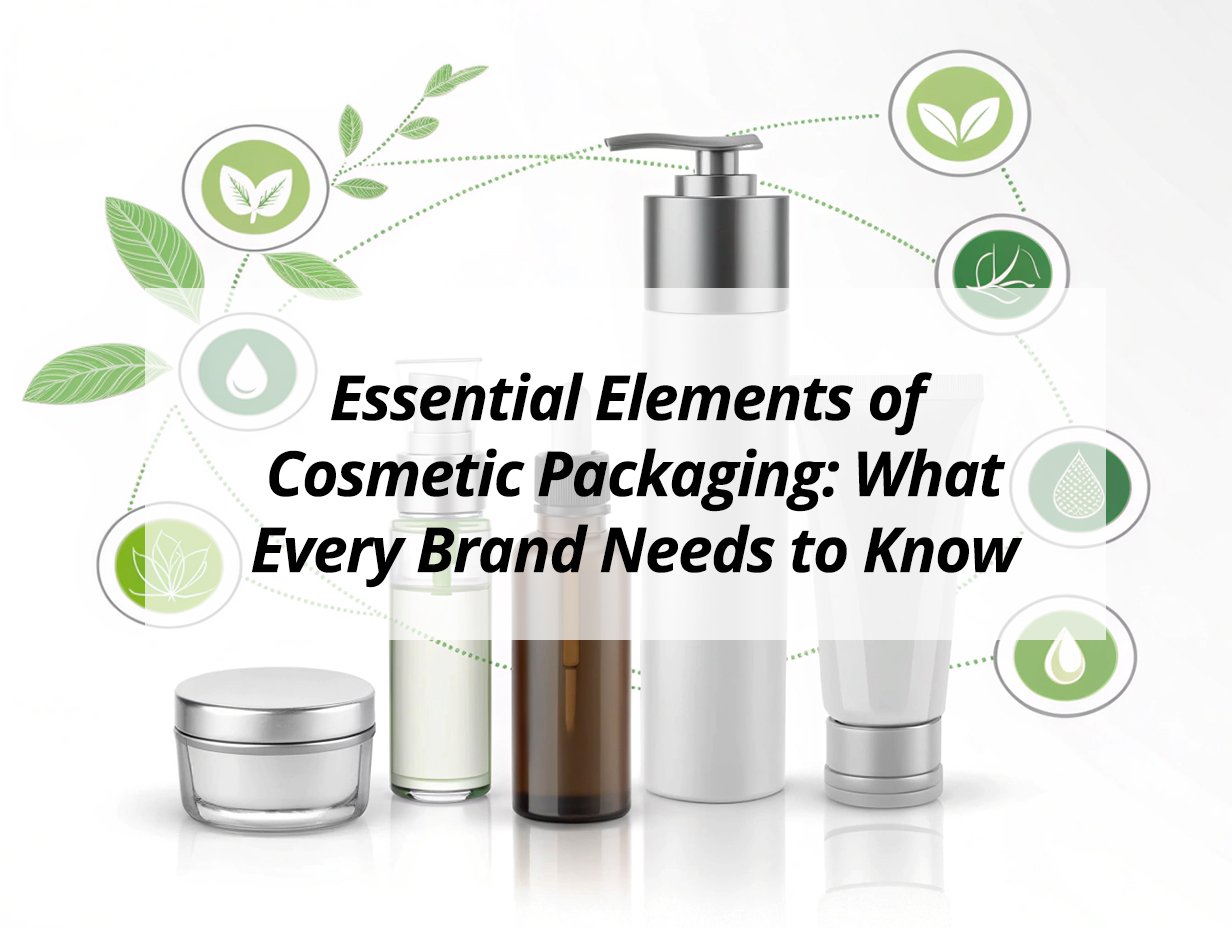
Cosmetic packaging must protect, inform, attract, and comply. Understanding these essentials ensures beauty and flawless market performance. This guide covers key packaging components.
Essential elements of cosmetic packaging include functional protection (preserving product integrity), regulatory compliance (meeting legal requirements), brand communication (conveying identity and values), user convenience (ensuring ease of use), aesthetic appeal (attracting target consumers), and sustainability considerations (addressing environmental impact). These elements work together to create packaging that succeeds in both practical performance and market performance.
Master these elements to create packaging that stands out while meeting all requirements.
What are the 5 P's of packaging?
The 5 P's provide a comprehensive framework to ensure packaging meets both functional and aesthetic demands. Understanding these elements enhances a product's market appeal.
The 5 P's include product, protection, preservation, presentation, and personality. Together, they ensure that packaging fulfills its purpose and resonates with consumers.
The 5 P's Breakdown
| Component | Description |
|---|---|
| Product | Choose materials that are chemically stable and suitable for the product type. |
| Protection | Use robust barrier properties to protect against contamination and environmental factors. |
| Preservation | Extend shelf life with tamper-evident and sealable packaging. Use materials that enhance preservation. |
| Presentation | Utilize unique shapes, colors, and typography for visual appeal. Reflect the brand's story. |
| Personality | Evoke emotions and create memorable experiences through design. |
These principles ensure packaging acts as a key component of your brand's narrative and strategy.
What are the 4 C's of packaging?
The 4 C's address consumer interaction and satisfaction. Aligning packaging with these principles enhances user experience1s.
The 4 C's encompass clarity, convenience, communication, and compatibility. They ensure packaging performs well and aligns with consumer expectations and values.
Exploring the 4 C's
- Clarity: Ensure labels are easy to read, displaying necessary product details.
- Convenience: Integrate user-friendly designs with ergonomic shapes and easy-open lids.
- Communication: Use packaging to convey brand stories and regulatory information.
- Compatibility: Select materials that maintain product quality and withstand environmental conditions.
Addressing these elements improves consumer satisfaction and increases the likelihood of repeat purchases.
What are the 5 considerations when making packaging?
Developing effective packaging involves considering multiple factors that influence satisfaction and brand reputation.
Packaging considerations include material choice2, sustainability, user experience, brand consistency3, and cost. These align the product with brand objectives and consumer needs.
| Consideration | Details |
|---|---|
| Material & Sustainability | Choose eco-friendly, recyclable options. Communicate sustainability to enhance brand image. |
| User Experience | Design for comfort and ease of use, integrating intuitive features. |
| Brand Consistency | Maintain a cohesive design language across all products. |
| Cost | Balance quality with cost-effectiveness. Optimize supply chain for efficiency. |
Incorporating these factors ensures packaging is a vital part of brand strategy and consumer delight.
Which element is crucial for branding in product packaging?
Branding is vital for packaging, influencing customer loyalty and market differentiation. Understanding its importance transforms packaging into a vital marketing tool.
Branding is crucial as it shapes identity and recognition, differentiating products and building consumer trust.
Branding’s Influence on Packaging
- Identity: Consistent use of logos, colors, and typography builds brand recognition.
- Recognition: Align design with brand values to resonate with target audiences.
- Differentiation: Use unique visuals to stand out from competitors, aligning with market segments.
Focusing on branding, packaging becomes a tool for deeper consumer engagement, driving trust and brand success.
My insights: Essential Elements of Cosmetic Packaging
Elevate your cosmetic brand with packaging that not only looks stunning but also meets industry standards and consumer expectations.
Key elements of cosmetic packaging include brand logo, comprehensive product information, eye-catching design, functional structure, compliance with regulations, sustainable materials, tamper-evident features, and cost-effective choices to enhance brand identity and consumer trust.
Core Components of Cosmetic Packaging
Branding and Information
- Logo and Visuals: Ensure consistency across packaging to reinforce brand identity.
- Product Details: Include ingredients and regulatory details using INCI names.
| Element | Importance |
|---|---|
| Logo & Visuals | Reinforces brand identity |
| Product Details | Provides transparency and complies with regulations |
Design and Functionality
- Unique Design: Use eye-catching elements to stand out on shelves.
- Protective Structure: Ensure packaging prevents leakage and contamination.
Material and Sustainability
- Material Choice: Opt for compatible materials like glass, plastic, or metal.
- Eco-Friendly Options: Use recyclable or reusable materials to appeal to conscious consumers.
Production and Security
- Cost-Effectiveness: Balance quality and cost in material choices.
- Tamper-Evidence: Incorporate features for consumer security.
Cosmetic packaging must merge aesthetics, functionality, and compliance to create a compelling product presence. Ensuring that packaging aligns with consumer values, such as sustainability, further enhances appeal and loyalty. Collaborate with manufacturers to refine designs that protect, promote, and preserve your products effectively.
Conclusion
Incorporating essential elements in cosmetic packaging, from brand identity to sustainability, creates a robust framework for success, ensuring a strong presence in the competitive market.
-
Focusing on user experience can lead to intuitive designs that enhance customer satisfaction and encourage repeat purchases. ↩
-
Material choice is crucial for sustainability and product integrity, impacting both brand image and consumer trust. ↩
-
Brand consistency ensures recognition and trust, making it essential for effective marketing and consumer loyalty. ↩