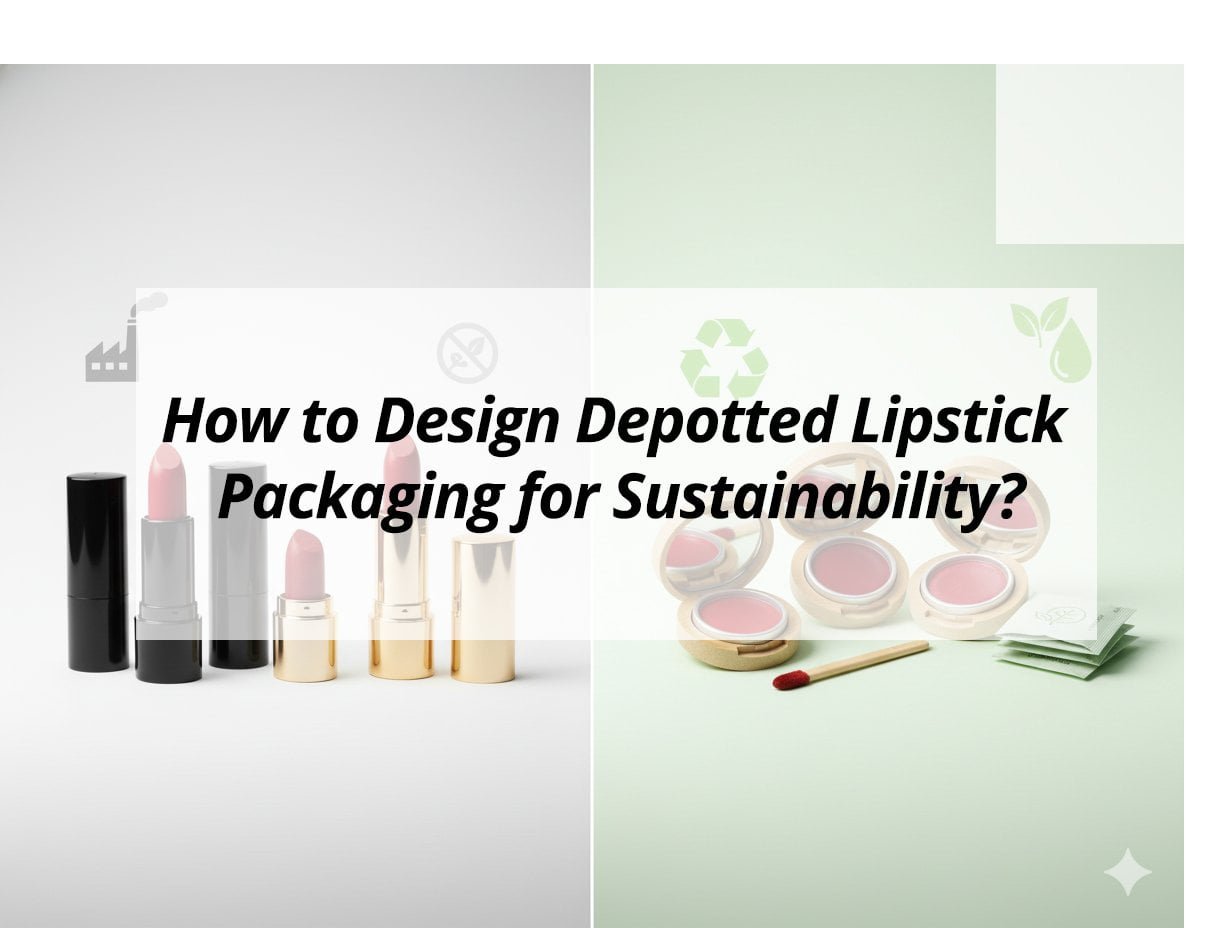
Designing packaging for depotted lipsticks presents unique sustainability challenges. Traditional lipstick tubes create waste. Sustainable design can make a real difference.
Designing depotted lipstick packaging for sustainability involves choosing eco-friendly materials and promoting reuse. Key strategies include using plastic-free, biodegradable cosmetic containers and working with eco-friendly cosmetic packaging manufacturers. The goal is to minimize waste, reduce environmental impact, and offer consumers sustainable choices for their beauty routines.
This approach requires careful thought about materials, product lifecycle, and consumer interaction. It moves beyond single-use items to embrace a more circular model in cosmetic packaging.
What are the 7 R's of sustainable packaging?
When talking about sustainable packaging, you often hear about the "R's." These principles guide designers and brands toward more environmentally friendly choices. Understanding them helps in making better decisions.
The 7 R's of sustainable packaging are a comprehensive framework. They guide efforts to minimize environmental impact. They include Remove, Reduce, Reuse, Recycle, Renew, Revenue, and Read. These principles encourage thoughtful design, efficient resource use, and responsible end-of-life management for packaging materials.
Applying these R's helps to create a more circular economy for packaging. They are important for any business aiming for greater sustainability.
Remove
The first R is about removing unnecessary packaging. Many products come with excess layers or components that serve little functional purpose. Eliminating these reduces material consumption and waste. For depotted lipstick, this means questioning if a secondary box is always needed or if a simpler closure can replace a complex one. Less material means less environmental impact and often lower costs.
Reduce
Reducing the amount of material used in necessary packaging is the next step. This can involve making containers thinner, lighter, or smaller. For example, using lighter glass or thinner plastic for depotted lipstick pans can significantly cut down on material use. This strategy maintains functionality while lessening the ecological footprint. It also helps in lowering transportation emissions due due to reduced weight.
Reuse
Designing packaging to be reusable encourages consumers to keep and refill containers. Depotted lipstick packaging is inherently designed for reuse through a palette system. This extends the life of the packaging and drastically cuts down on single-use waste. Brands can offer refill options or promote creative ways for consumers to repurpose the containers. This directly supports the circular economy model.
Recycle
Recyclability means designing packaging that can be easily collected and processed into new materials. This involves choosing materials that are widely accepted by recycling programs. For depotted lipstick, this could mean using single-material plastic or metal pans instead of mixed materials. Clear labeling also helps consumers understand how to properly recycle the components. Collaborating with eco-friendly cosmetic packaging manufacturers can ensure materials are compatible with existing recycling infrastructure.
Renew
Renew focuses on using materials from renewable sources. This includes plant-based plastics (bioplastics) or sustainably harvested paper. For depotted lipstick, exploring options like biodegradable cosmetic containers or bioplastics derived from corn starch can be part of this strategy. These materials can reduce reliance on fossil fuels. They also offer a more sustainable resource cycle.
Revenue
The concept of Revenue in this context highlights the economic benefits of sustainable packaging. Investing in sustainable design can attract eco-conscious consumers. It can also enhance brand image and comply with future regulations. This can lead to increased sales and market share. Sustainable practices can also create new business models, such as refill programs, which generate recurring revenue. This shows that sustainability is not just an expense.
Read (and Research)
This R emphasizes the importance of clear communication and continuous improvement. Packaging should be easy to "Read" in terms of its sustainability claims and recycling instructions. Brands should also "Research" new materials and technologies constantly. This ensures their packaging remains at the forefront of sustainability. Staying informed about materials like biodegradable skincare packaging and plastic free cosmetic packaging is vital.
The 7 R's in Action
| Principle | Action for Depotted Lipstick Packaging | Benefit |
|---|---|---|
| Remove | Eliminate unnecessary wrappers or secondary boxes | Reduces material consumption, lowers waste |
| Reduce | Use lighter, thinner materials for pans and palettes | Decreases material volume, lowers transport impact |
| Reuse | Design refillable pans and palettes | Extends product life, minimizes single-use waste |
| Recycle | Choose mono-materials for easier recycling | Enhances circularity, reduces landfill burden |
| Renew | Explore bioplastics or plant-based materials | Lowers fossil fuel reliance, supports bioeconomy |
| Revenue | Attracts eco-conscious consumers, boosts brand image | Increases sales, builds brand loyalty |
| Read/Research | Clear labeling, continuous material innovation | Educates consumers, ensures ongoing sustainability |
These principles provide a solid framework for creating truly sustainable packaging solutions.
What is the most eco-friendly packaging for cosmetics?
The search for the "most eco-friendly packaging" in cosmetics is ongoing. There is no single perfect answer. Instead, it involves a combination of material choices, design principles, and end-of-life considerations.
The most eco-friendly packaging for cosmetics typically involves a combination of factors. This includes using materials that are easily recyclable, made from recycled content (like PCR), or biodegradable. It also prioritizes refillable systems and minimal design. Materials like glass, aluminum, and certain bioplastics, alongside plastic free cosmetic packaging options, often lead the way due to their lower environmental impact when properly managed.
Ultimately, the best choice depends on the specific product and its entire lifecycle. It also depends on the available infrastructure for recycling and composting.
Refillable Systems
Refillable packaging is often considered highly eco-friendly. This approach minimizes waste by allowing consumers to repurchase only the product, not the container. For depotted lipsticks, the pan-and-palette system is inherently refillable. Consumers buy a palette once and then refill individual lipstick pans as needed. This significantly reduces the demand for new packaging materials over time. Many eco-friendly cosmetic packaging manufacturers now specialize in refillable designs.
Materials with High Recyclability
Choosing materials that are widely accepted in recycling streams is crucial.
- Glass: Glass is infinitely recyclable without losing quality. It is excellent for depotted lipstick palettes or outer casings if durability can be managed. Its inertness also protects product integrity.
- Aluminum: Aluminum is also highly recyclable and lightweight. It can be used for lipstick pan casings or compacts. Its recyclability rate is generally high.
- Mono-material plastics1: If plastic must be used, choosing a single type of plastic (e.g., PP or PET) for all components makes recycling easier. Complex multi-material components are harder to recycle. Working with manufacturers who understand these complexities is key.
Biodegradable and Compostable Materials
Biodegradable cosmetic containers offer another sustainable pathway. These materials break down naturally into organic matter. This reduces landfill waste. Examples include certain bioplastics derived from corn starch or bamboo fibers. However, it is important to ensure that these materials are truly compostable in industrial facilities, as home composting conditions often differ. Biodegradable skincare packaging is a growing area for innovation.
Post-Consumer Recycled (PCR)2 Content
Using packaging made from PCR materials, such as rPET or rPP, is a highly effective way to be eco-friendly. This diverts plastic waste from landfills and oceans. It also reduces the need for virgin plastic production. Many eco cosmetic packaging options now incorporate high percentages of PCR. This closes the loop in the plastic lifecycle.
Minimalist Design and Reduced Material Use
Simply using less material overall is a powerful sustainability strategy. This means avoiding unnecessary layers, heavy walls, or oversized packaging. Lightweight designs also reduce transportation emissions. Stripping down packaging to its essential components makes it inherently more eco-friendly.
Considerations for Eco-Friendly Packaging
| Material Type | Pros | Cons | Application for Depotted Lipsticks |
|---|---|---|---|
| Refillable Systems | Low waste, high reuse | Initial consumer buy-in needed | Palettes, individual pans |
| Glass | Infinitely recyclable, premium feel | Fragile, heavy, higher carbon footprint (transport) | Outer compacts, palettes |
| Aluminum | Highly recyclable, lightweight, durable | Can scratch, higher initial cost | Lipstick pan casings, compacts |
| Mono-Material Plastic | Lighter than glass, recyclable (if sorted) | Made from fossil fuels (if virgin), recycling often limited | Pans, palette trays |
| Bioplastics | Renewable resource, can be biodegradable | Requires industrial composting, performance varies | Pans, inner trays |
| PCR Plastics | Reduces virgin plastic demand, uses waste | Quality/clarity can vary, still plastic | Pans, palette trays |
The most eco-friendly approach often involves a combination of these strategies, tailored to the specific product.
What are the 5 R's for the creation of sustainable packaging?
While the 7 R's offer a broad framework, a more focused set, the 5 R's, often guides the specific creation of sustainable packaging. These principles help designers prioritize actions to reduce environmental impact from the start.
The 5 R's for the creation of sustainable packaging are a foundational design philosophy. They focus on practical steps to reduce environmental harm. These R's are Refuse, Reduce, Reuse, Recycle, and Rot. They encourage designers to avoid unnecessary materials. They also promote efficient use of resources. Furthermore, they support circularity and responsible end-of-life disposal for packaging materials.
These principles provide a clear roadmap for developing environmentally conscious packaging solutions. They are especially relevant for products like depotted lipsticks.
Refuse
The first R, Refuse, is about actively saying no to unnecessary packaging elements. This means challenging conventions and asking if a component is truly essential. For depotted lipstick packaging, it means refusing to use plastic shrink wrap, excessive inserts, or single-use applicators that consumers do not need. It is a proactive step to prevent waste before it even enters the supply chain. This helps create plastic free cosmetic packaging from the outset.
Reduce
Reduce focuses on minimizing the amount of material in packaging that cannot be refused. This involves optimizing designs for material efficiency. For instance, making lipstick pans or palette trays as thin and light as possible while maintaining structural integrity. It also means compacting product sizes to fit smaller packaging. This directly lessens resource consumption and the energy needed for production and transport.
Reuse
Designing for Reuse means creating packaging that consumers can use multiple times for the same purpose. Depotted lipstick packaging is a prime example of this principle. The palette acts as a permanent component. Individual lipstick pans are refills. This closed-loop system significantly extends the life of the packaging. It minimizes the need for new materials. Brands can encourage this by offering attractive refill programs and designing durable, appealing palettes.
Recycle
Recycle emphasizes choosing materials that are easily and widely recyclable. This requires understanding local recycling infrastructures. For depotted lipstick components, this means opting for mono-materials whenever possible. For example, making pans from a single type of metal or plastic. Clear labeling on eco cosmetic packaging helps consumers recycle correctly. Partnering with eco-friendly cosmetic packaging manufacturers who use recyclable materials is crucial.
Rot (Compost)
The final R, Rot, focuses on materials that can safely return to the earth as compost. This applies to biodegradable and compostable materials. For example, biodegradable cosmetic containers made from plant-based polymers could be used for lipstick pans. It is vital to ensure that these materials are certified compostable. This means they will break down effectively without leaving harmful residues, preferably in industrial composting facilities. This provides an end-of-life solution that diverts waste from landfills.
Applying the 5 R's to Depotted Lipstick Packaging
| Principle | Action for Depotted Lipstick Packaging | Impact on Sustainability |
|---|---|---|
| Refuse | Avoid plastic film wraps, unnecessary secondary boxes | Eliminates waste at the source, reduces material demand |
| Reduce | Optimize pan thickness, make palettes compact and lightweight | Lowers material usage, decreases transport emissions |
| Reuse | Implement refillable lipstick pans and durable palettes | Extends packaging lifespan, minimizes single-use items |
| Recycle | Select single-material pans (e.g., aluminum, PP) | Improves recycling rates, supports circularity |
| Rot | Use certified compostable materials for pans or inserts | Diverts waste from landfills, enriches soil |
These five principles offer a clear and actionable path for creating more sustainable packaging solutions within the beauty industry.
How to make your packaging more sustainable?
Making packaging more sustainable is a top priority for many beauty brands. It involves a holistic approach. This includes everything from material selection to supply chain management and consumer engagement.
To make packaging more sustainable, focus on reducing material use, choosing recycled or renewable materials, and designing for reuse or easy recycling. Strategies include using plastic free cosmetic packaging, partnering with eco friendly cosmetic packaging manufacturers, and creating biodegradable cosmetic containers. Clear communication with consumers about proper disposal also plays a vital role in achieving true sustainability.
This process is not a one-time fix. It needs continuous effort and innovation.
Choose Sustainable Materials
The first step is to carefully select materials. Prioritize those with a lower environmental impact.
- Recycled Content (PCR): Opt for packaging made from Post-Consumer Recycled plastics (rPET, rPP). This reduces reliance on virgin materials. Many eco-friendly cosmetic containers wholesale suppliers offer PCR options.
- Recyclable Materials: Select materials like glass, aluminum, and certain mono-material plastics that are widely accepted in recycling programs. Avoid complex multi-material structures.
- Renewable/Biodegradable Materials: Explore bioplastics, bamboo, or paper-based alternatives where appropriate. Ensure these biodegradable skincare packaging3 options are certified compostable.
- Plastic-Free: Whenever possible, choose plastic free cosmetic packaging4 solutions. This could mean using aluminum, glass, or paper for primary packaging.
Design for Circularity
Packaging should be designed with its end-of-life in mind.
- Refillable Systems: Implement refillable packaging, as seen with depotted lipsticks. This encourages reuse and significantly reduces waste.
- Minimalist Design: Reduce excess packaging. Avoid unnecessary layers, large boxes, or heavy components. Simpler designs often mean fewer materials are used.
- Lightweighting: Design packaging to be as light as possible while maintaining product protection. Lighter packaging reduces transportation emissions.
Optimize Manufacturing and Supply Chain
Sustainability extends beyond the material itself. It includes how packaging is made and transported.
- Eco-friendly Manufacturers: Partner with eco friendly cosmetic packaging manufacturers who prioritize sustainable production practices. This includes using renewable energy, minimizing waste, and conserving water in their facilities.
- Local Sourcing: Source packaging materials locally to reduce transportation distances and associated emissions.
- Efficient Logistics: Optimize shipping methods to reduce fuel consumption. This includes consolidating shipments and choosing more efficient transport modes.
Educate and Engage Consumers
Consumer action is essential for successful sustainable packaging.
- Clear Labeling: Provide clear, easy-to-understand instructions on how to dispose of or recycle each packaging component.
- Refill Incentives: Offer incentives or make refill options convenient to encourage consumers to participate in reuse programs.
- Transparency: Be transparent about your sustainability efforts and any challenges. This builds trust with consumers.
Continuous Innovation and Assessment
Sustainability is an evolving field.
- Research New Materials: Stay updated on new developments in biodegradable cosmetic containers, advanced PCR technologies, and plastic free cosmetic packaging solutions.
- Lifecycle Assessment: Regularly assess the environmental impact of your packaging throughout its entire lifecycle, from raw material extraction to disposal. This helps identify areas for improvement.
Steps to Enhance Packaging Sustainability
| Action | Strategy | Example for Depotted Lipstick Packaging |
|---|---|---|
| Material Selection | Choose PCR, glass, aluminum, or certified bioplastics | rPP pans, aluminum compacts, glass palettes |
| Design for Reuse | Create refillable and durable packaging | Permanent palettes, replaceable lipstick pans |
| Minimize Material Use | Lightweight, compact, single-material designs | Thin-walled pans, no secondary packaging |
| Source Responsibly | Work with eco-friendly suppliers, local sourcing | Partner with eco friendly cosmetic packaging manufacturers |
| Educate Consumers | Provide clear recycling and disposal instructions | Icons on packaging, website guides |
By implementing these strategies, brands can significantly enhance the sustainability of their packaging.
My Insights: Designing Sustainable Depotted Lipstick Packaging
Struggling to make your lipstick packaging eco-friendly? Discover sustainable design strategies that minimize waste and appeal to eco-conscious consumers.
To design sustainable depotted lipstick packaging, use biodegradable or recyclable materials and incorporate refillable systems. Opt for modular designs with minimalistic aesthetics to reduce waste and enhance brand image.
Strategies for Eco-Friendly Lipstick Packaging
Key Materials:
Choose biodegradable paper tubes, bamboo cases, or PCR plastics, all of which decompose naturally or are easily recyclable. Aluminum tins provide durability and infinite recyclability, perfect for lipstick bullets. Avoid non-recyclable plastics and prefer plant-based linings.
Design Principles:
- Modular Palettes: Use magnetic tins or slots for multiple lipstick bullets, allowing for easy refilling and reducing bulk.
- Airtight Seals: Implement compostable PLA linings to keep products from drying out.
- Minimalist Aesthetics: Customize kraft paper exteriors for a sleek look that aligns with sustainable branding.
Implementation Steps:
- Assess Impact: Review current packaging and source sustainable materials.
- Prototype Systems: Develop refillable models and test for stability and functionality.
- Launch Programs: Create return schemes to clean and reuse packaging, fostering a closed-loop system.
Aligning packaging design with sustainability not only reduces environmental impact but also attracts eco-savvy consumers, strengthening brand loyalty and market position.
Conclusion
Designing depotted lipstick packaging for sustainability is crucial. It requires using eco-friendly materials like plastic-free or biodegradable cosmetic containers. Partnering with eco-friendly cosmetic packaging manufacturers and embracing the 7 or 5 R's framework reduces waste and promotes circularity.
-
Mono-material plastics simplify recycling processes and enhance sustainability in packaging. ↩
-
Using PCR content diverts waste from landfills and reduces the need for virgin materials. ↩
-
Find out how to effectively implement biodegradable packaging solutions in skincare products. ↩
-
Find out why plastic-free options are essential for sustainable beauty brands and their benefits. ↩