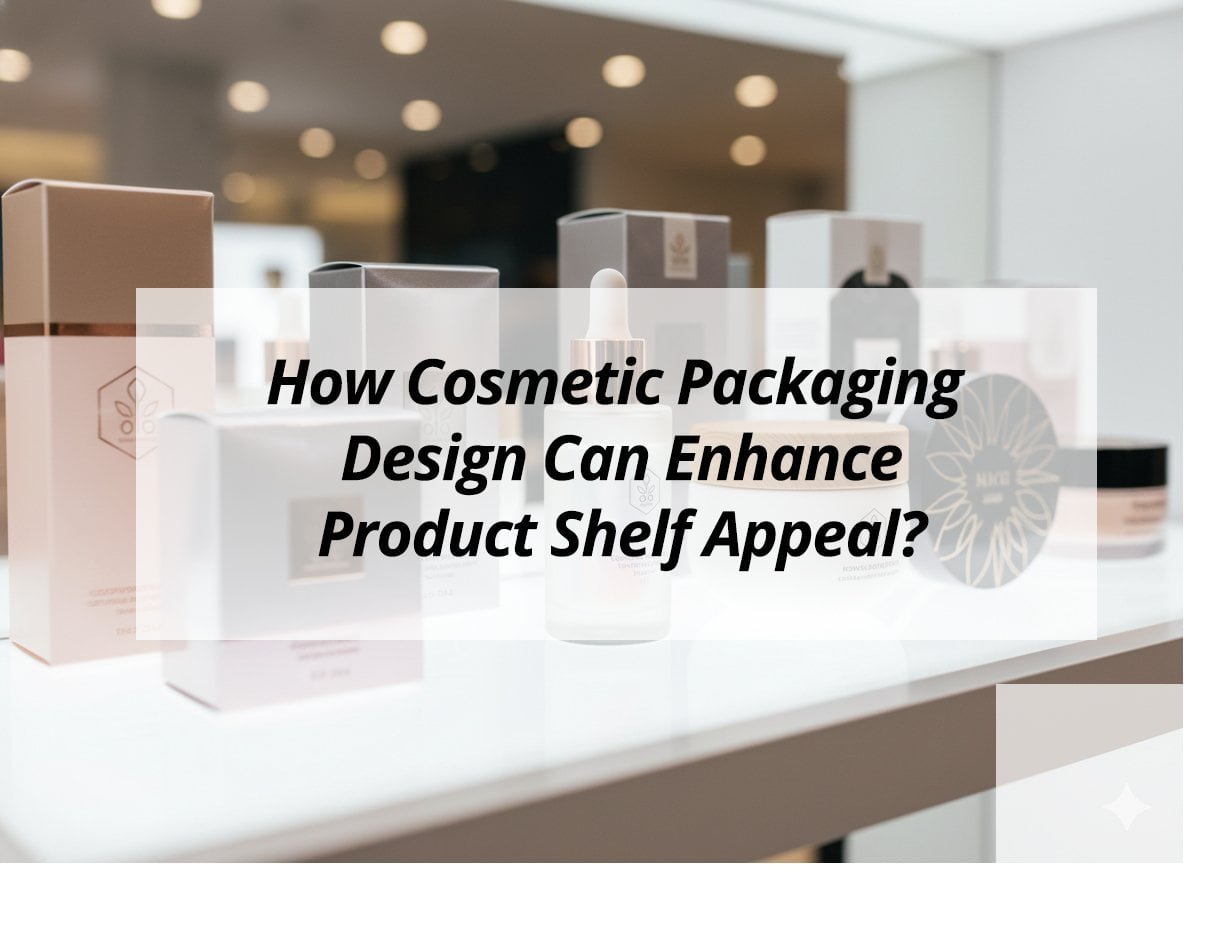
Cosmetic products often compete in crowded markets. Shelf appeal is very important. Good packaging design can make a product stand out.
Cosmetic packaging design can greatly enhance product shelf appeal. It uses visual elements, materials, and unique structures to attract consumers' attention. Effective design communicates brand identity, highlights product benefits, and creates an emotional connection, encouraging purchase in a competitive retail environment.
This focus on design goes beyond just holding the product. It is about telling a story and making an impression. It helps a product grab attention in a busy store or online.
How can you make a product packaging design more appealing?
Making a product packaging design1 appealing is essential for market success. It involves more than just aesthetics. It combines many elements to create a strong visual impact and communicate value.
To make product packaging design more appealing, focus on clear brand identity, use attractive colors and typography, choose premium materials, and ensure practical functionality. Incorporate unique shapes and finishes. Highlight key product benefits. Also, aim for designs that evoke emotion and stand out visually from competitors.
An appealing design catches the eye. It also makes a product seem more desirable. This is key in the fast-paced beauty industry.
Clear Brand Identity
A strong brand identity is the foundation of appealing packaging. The design must clearly represent the brand's values, style, and target audience. This includes consistent use of logos, colors, and fonts. When a brand's identity is clear, consumers can easily recognize and connect with the product. For example, a luxury brand will use elegant fonts and minimalist designs. A fun, youthful brand might use bright colors and playful graphics.
Visually Striking Elements
Using appealing visual elements directly impacts shelf appeal.
- Color Palette: Colors evoke emotions and attract attention. Bright, bold colors stand out. Muted, sophisticated tones suggest luxury.
- Typography: The font choice communicates style. Elegant scripts suggest prestige. Clean, modern fonts suggest innovation.
- Imagery and Graphics: High-quality images or unique illustrations can tell a product's story. They can also highlight key ingredients or benefits.
- Shapes and Structure: A unique bottle shape or an interesting jar lid can differentiate a product. It can create an immediate visual interest.
Premium Materials and Finishes
The choice of materials and finishes greatly influences perceived quality. Using high-quality glass, frosted finishes, metallic accents, or soft-touch plastics can elevate a product. A heavy glass jar feels more luxurious than a lightweight plastic one. Special finishes like matte, gloss, or iridescent coatings can add a tactile and visual appeal. These details communicate value to the consumer.
Functionality and User Experience
Appealing packaging is also functional. It should be easy to open, dispense, and use. A poorly designed pump or a difficult-to-open cap can frustrate consumers. This can negatively affect their perception of the product. Packaging that is convenient and intuitive enhances the user experience. This encourages repeat purchases.
Storytelling and Emotional Connection
Effective packaging tells a story. It can highlight key ingredients, ethical sourcing, or a product's unique benefits. This narrative can create an emotional connection with the consumer. For example, packaging that emphasizes natural ingredients might use earthy tones and botanical imagery. This helps consumers feel a bond with the brand's values.
Differentiation from Competitors
In a crowded market, packaging must stand out. This means researching competitor designs and finding ways to be unique. This could involve using an unexpected color, an innovative shape, or a novel material. The goal is to make consumers stop and look at your product over others.
Key Elements for Appealing Packaging
| Element | Description | Impact on Shelf Appeal |
|---|---|---|
| Brand Consistency | Clear logo, consistent colors, unified style | Easy recognition, builds trust |
| Color & Graphics | Engaging color schemes, high-quality images | Attracts attention, conveys mood |
| Material Quality | Premium feel, use of glass, metal, special plastics | Communicates luxury, perceived value |
| Unique Structure | Distinctive bottle shapes, innovative closures | Differentiation, visual interest |
| Functionality | Easy to open, dispense, and store | Enhances user experience, convenience |
| Storytelling | Highlights benefits, ingredients, brand values | Creates emotional connection, provides information |
By combining these elements, packaging can effectively capture consumer interest.
What are the 4 C's of packaging?
To understand effective packaging design, it helps to break it down into core principles. The "4 C's of Packaging" provide a useful framework. These C's cover the essential aspects that good packaging should address.
The 4 C's of packaging are a framework for effective design. They stand for Containment, Convenience, Communication, and Customization. These principles guide packaging development to ensure it safely holds the product. They also ensure it is easy for consumers to use. Furthermore, they ensure it conveys necessary information. Finally, they ensure it can be tailored to brand needs.
Using these C's helps create packaging that is both functional and appealing. It addresses both practical and marketing needs.
Containment
The most basic function of packaging is Containment. It must safely hold the product from production to consumption. For cosmetics, this means preventing leaks, spills, and contamination. The material must be compatible with the product formula. For example, a lotion bottle must be strong enough not to burst. A lipstick tube must protect the fragile stick inside. Good containment ensures product integrity and minimizes waste. It is the fundamental purpose of any package.
Convenience
Convenience refers to how easy the packaging is for consumers to use, store, and transport. This includes ease of opening and closing, dispensing the product, and fitting into daily routines. A user-friendly pump dispenser for a foundation or a travel-sized tube for a moisturizer shows good convenience. Packaging that is difficult to use can lead to frustration. This can negatively impact the product experience. Convenience also considers how easy the package is to dispose of or recycle.
Communication
Packaging serves as a key communication tool. It conveys vital information to the consumer. This includes brand name, product name, ingredients, usage instructions, safety warnings, and sustainability claims. Visual elements like colors, fonts, and graphics also communicate brand values and product benefits. For example, a minimalist design might communicate sophistication. A vibrant design might communicate energy. Clear and honest communication builds trust. It helps consumers make informed decisions.
Customization
Customization refers to the ability of packaging to be tailored to a specific brand, product, and target market. This involves unique shapes, colors, finishes, and decoration. Customization allows a brand to differentiate its product from competitors. It helps create a distinct identity. For instance, a bespoke bottle design for a perfume or a unique lid for a cream jar reflects customization. This helps enhance shelf appeal. It also reinforces brand image.
The 4 C's Applied to Cosmetic Packaging
| Principle | Description | Example in Cosmetic Packaging |
|---|---|---|
| Containment | Safely holds and protects the product | Sealed foundation bottle, airtight cream jar |
| Convenience | Easy to open, dispense, use, and store | Pump dispenser, travel-sized tube, twist-up lipstick |
| Communication | Conveys brand, product info, benefits, instructions | Product name, ingredient list, brand logo, benefits |
| Customization | Unique design tailored to brand and product | Distinctive bottle shape, special finish, custom color |
By addressing all four C's, packaging can perform its functions effectively. It can also stand out in the market.
What is the importance of packaging design in a product?
Packaging design holds immense importance for any product, especially in the competitive cosmetic market. It is often the first point of contact between a consumer and a brand. This initial interaction shapes perceptions and influences buying decisions.
Packaging design is crucial for a product's success. It serves as a silent salesperson, grabbing attention and communicating value on crowded shelves. Good design protects the product, reflects brand identity, provides essential information, and creates a memorable experience. It directly influences consumer perception, purchasing decisions, and overall market differentiation.
Without effective packaging design, even the best product might struggle to find its audience. It is a critical component of the marketing mix.
First Impression and Attention Grab
In a retail environment, packaging is the first thing consumers see. A well-designed package immediately grabs attention. It entices consumers to pick up the product. This initial visual appeal can be the deciding factor when many similar products are available. It creates a lasting first impression. This impression often influences whether a consumer explores the product further.
Brand Identity and Recognition
Packaging is a powerful tool for building and reinforcing brand identity. Consistent design elements like logos, colors, and typography help consumers recognize a brand quickly. It communicates what the brand stands for. For example, minimalist packaging often signals sophistication. Bright, bold packaging might suggest fun or youthfulness. Strong brand identity through packaging fosters trust and loyalty.
Communication of Product Information
Packaging provides essential information about the product. This includes ingredients, benefits, usage instructions, and safety warnings. For cosmetics, this is vital for informed purchasing and proper use. Clear, concise, and well-organized information on the packaging helps consumers understand what they are buying and how to use it safely and effectively. It acts as a direct line of communication from the brand to the consumer.
Protection and Preservation
The primary functional role of packaging is to protect the product. It shields it from physical damage, contamination, and environmental factors like light and air. For cosmetics, this is crucial for maintaining product efficacy and shelf life. Good protective packaging ensures the product reaches the consumer in perfect condition. This avoids spoilage and waste.
Differentiation from Competitors
In a crowded market, unique packaging design helps a product stand out. It differentiates it from competitors. Innovative shapes, distinct colors, or special finishes can create a unique visual identity. This helps consumers quickly distinguish one product from another. Differentiation is key to capturing market share and building a unique brand presence.
Influences Consumer Perception
Packaging heavily influences how consumers perceive the quality and value of a product. High-quality packaging suggests a high-quality product. Conversely, cheap-looking packaging can diminish perceived value. For example, a luxurious-looking cream jar can make a product seem more premium. This perception directly impacts willingness to purchase.
Aspects of Packaging Design Importance
| Aspect | Description | Role in Product Success |
|---|---|---|
| Attention & First Impression | Catches eye, creates immediate interest | Drives initial engagement, encourages product pickup |
| Brand Identity | Reflects brand values, uses consistent visuals | Builds recognition, fosters trust and loyalty |
| Information Delivery | Provides key facts, usage guide, safety warnings | Enables informed choices, ensures proper use |
| Product Protection | Guards against damage, contamination, spoilage | Maintains product quality, extends shelf life |
| Market Differentiation | Unique visuals, shapes, materials | Helps product stand out among competitors |
| Perception of Value | Communicates quality through aesthetics and materials | Influences consumer's perceived worth of the product |
The strategic importance of packaging design cannot be overstated. It acts as a powerful marketing and functional tool.
How does packaging help promote a product?
Packaging is far more than just a container. It is a powerful promotional tool. It acts as a direct advertisement on the shelf, influencing consumer choices at the point of purchase.
Packaging promotes a product by acting as a silent salesperson, attracting attention through visual appeal and communicating key benefits. It builds brand recognition, influences consumer perception of quality, and differentiates the product from competitors. Effective packaging tells a story, evokes emotion, and provides essential information, driving purchasing decisions in a competitive market.
This promotional role is constant. It works even when there are no sales staff present. It makes packaging a key part of any marketing strategy.
Visual Appeal and Attention Capture
The most immediate way packaging promotes a product is through its visual appeal. Bright colors, unique shapes, elegant finishes, or striking graphics draw the eye. In a crowded retail environment, packaging that stands out makes consumers pause. This initial attention is vital for a product to even be considered. This visual magnetism is a primary promotional function.
Brand Recognition and Recall
Packaging consistently displays the brand logo, colors, and typography. This builds strong brand recognition. Over time, consumers associate specific packaging designs with a particular brand. This makes it easier to recall the product later. Strong brand recall is a major promotional advantage. It helps cement the brand in the consumer's mind.
Communication of Benefits and Features
Packaging provides a prime space to highlight a product's key benefits and features. This could include claims like "hydrating," "anti-aging," "natural ingredients," or "long-lasting." Clear and compelling messaging on the package informs consumers why they should choose this product. It acts as a quick sales pitch directly on the shelf.
Differentiation from Competitors
In markets with many similar products, packaging is a crucial differentiator. A unique bottle shape, a distinctive color scheme, or an innovative closure can make a product memorable. This distinctiveness helps it stand out from competitors. Effective differentiation is a powerful promotional strategy, making the product easily identifiable and more desirable.
Creation of Perceived Value
Packaging quality strongly influences the perceived value of the product inside. Premium-looking packaging, using materials like heavy glass or sophisticated finishes, suggests a high-quality, luxurious product. This perception can justify a higher price point. Conversely, flimsy or generic packaging might lead consumers to perceive the product as lower quality. This directly promotes or detracts from its perceived worth.
Storytelling and Emotional Connection
Packaging can tell a brand's story. It can convey its ethos, heritage, or the inspiration behind the product. For example, packaging with botanical illustrations might suggest natural ingredients and purity. This storytelling creates an emotional connection with the consumer. This can foster loyalty and make the product more appealing on a deeper level.
Promotional Functions of Packaging
| Promotional Aspect | How Packaging Achieves It | Example for Cosmetic Packaging |
|---|---|---|
| Attracts Attention | Striking visuals, unique shapes, vibrant colors | A uniquely sculpted serum bottle, holographic finish |
| Builds Brand Recognition | Consistent logo, brand colors, distinctive design | Signature bottle shape, iconic brand symbol |
| Communicates Benefits | Clear claims, ingredient highlights, usage icons | "24-hour hydration" text, "vegan" symbol, SPF rating |
| Differentiates | Innovative structure, unique material, distinct aesthetic | A refillable compact, a ceramic jar, an unusual cap design |
| Creates Perceived Value | Premium materials, elegant finishes, sturdy construction | Frosted glass, metallic accents, soft-touch matte finish |
| Evokes Emotion | Storytelling graphics, specific color palettes | Earthy tones for natural products, bright colors for fun |
Effective packaging design is an investment in product promotion.
My Insights: Enhancing Product Shelf Appeal Through Cosmetic Packaging Design
Struggling to make your cosmetics stand out on crowded shelves? Discover design strategies that boost shelf appeal and captivate consumers.
Cosmetic packaging enhances shelf appeal through eye-catching colors, unique shapes, and high-quality materials. Tactile elements and strategic branding create memorable experiences, enticing consumers to engage and make impulse purchases.
Key Strategies for Shelf Appeal in Cosmetic Packaging
Visual Strategies:
Colors like high-contrast hues or pastels evoke key emotions and differentiate products. Unique shapes and translucent materials enhance visibility. Embossing and premium typography add sophistication without clutter.
Tactile and Material Choices:
Soft-touch coatings and luxurious materials invite consumers to hold products, signaling quality. These sensory experiences enhance perceived value and attractiveness.
Branding and Storytelling:
Consistent design fosters brand recognition, while QR codes and visible benefits like "SPF 50" facilitate decision-making. Limited edition designs add exclusivity.
Practical Enhancements:
Ergonomic shapes improve usability, and sustainable options2 appeal to eco-conscious consumers. These strategies not only boost shelf appeal but also reinforce brand identity and customer loyalty.
Brands Leading in Cosmetic Packaging Innovation:
| Brand | Strategy | Impact |
|---|---|---|
| Fenty | Bold colors and unique shapes | Distinctive presence on shelves |
| Chanel | High-quality materials and embossing | Conveys luxury and elegance |
| Lush | Sustainable, tactile materials | Appeals to eco-conscious consumers and enhances texture |
By combining visual, tactile, and innovative elements, cosmetic packaging3 not only captivates but also creates lasting brand impressions.
Conclusion
Cosmetic packaging design is vital for shelf appeal. It grabs attention, communicates brand identity, and enhances perceived value. By focusing on aesthetics, functionality, and clear messaging, packaging can effectively promote a product and drive consumer purchasing decisions.