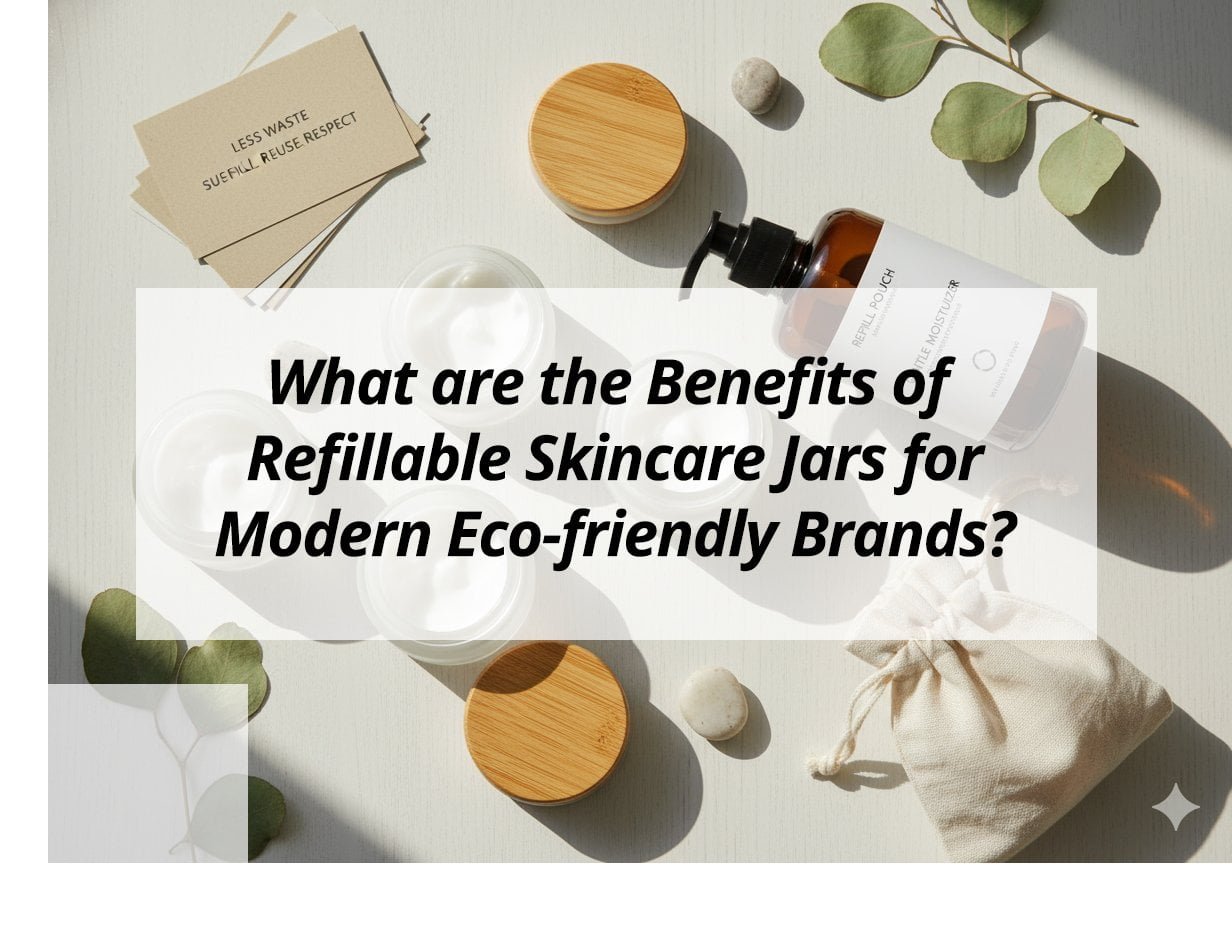
Eco-friendly brands often seek sustainable packaging. Refillable skincare jars present a strong option. They help brands align with environmental values. This guide explores their advantages.
Refillable skincare jars offer significant benefits for environmentally conscious brands. They minimize waste, reduce production costs, and attract consumers who prioritize sustainability. These jars enable brands to demonstrate their commitment to ecological responsibility, enhancing their market position and customer loyalty.
This article examines the various advantages of implementing refillable skincare jars. It provides a detailed understanding of their strategic value for contemporary brands.
What are the Benefits of Refillable Products?
Refillable products are gaining traction in various markets. They offer distinct advantages over single-use packaging. These benefits span environmental, economic, and marketing domains.
Refillable products substantially decrease packaging waste and the need for new container manufacturing. This conserves resources and energy. For businesses, this translates into reduced material expenses over time. It also appeals to an expanding segment of environmentally aware consumers.
Many brands are transitioning towards sustainable packaging solutions1. There is a frequent demand for waste reduction strategies. Refillable options can significantly contribute to environmental goals, offering a greener approach for product distribution.
How Do Refillable Products Contribute to Environmental Protection?
Refillable products have a notable positive influence on the environment.
- Waste Reduction: The primary benefit is the decrease in packaging waste. Reusing containers means fewer items are sent to landfills or incinerators.
- Reduced Carbon Footprint: Manufacturing new packaging is energy-intensive. Refillable systems lessen new production requirements, thereby lowering carbon emissions.
- Resource Conservation: The creation of new packaging consumes raw materials. Reusing containers saves these materials, reducing the demand for virgin resources like plastic, glass, or metal.
What are the Financial Advantages of Refillable Products?
Refillable product systems can also yield economic benefits for businesses.
| Benefit Type | Description | Business Impact |
|---|---|---|
| Operational Cost Savings | Reduced expenditure on primary packaging components per unit sold. | Lower long-term operational expenses for product delivery. |
| Enhanced Customer Loyalty | Consumers frequently return for refills, fostering repeat business. | Increased customer lifetime value and more predictable sales. |
| Improved Brand Image | Positions the brand as environmentally responsible and forward-thinking. | Attracts eco-conscious market segments, strengthening market presence. |
| New Marketing Angles | Creates unique selling propositions and sustainability narratives. | Differentiation from competitors, positive public relations. |
How Do Refillables Enhance Brand Appeal?
Refillable products can strengthen a brand's connection with specific consumer groups.
- Attraction of Eco-conscious Consumers: A significant number of consumers prefer brands demonstrating environmental commitment. Refillable options clearly signal this commitment.
- Modern and Innovative Perception: Adopting refillable systems portrays the brand as progressive and aligned with contemporary sustainability trends.
- Community Engagement: Such initiatives can cultivate a sense of community around shared environmental values, encouraging greater consumer involvement.
The implementation of refillable options offers both economic advantages and an improved brand reputation. This represents a beneficial strategy for businesses and the environment.
What is the Most Eco-friendly Packaging for Cosmetics?
Determining the most eco-friendly cosmetic packaging is a multifaceted challenge. Many materials are marketed as sustainable. A comprehensive assessment of the packaging's entire life cycle is crucial.
The most eco-friendly cosmetic packaging often involves durable, refillable systems. These systems allow consumers to reuse containers multiple times. Preferred materials include glass, aluminum, or recycled plastics (PCR). The core principle is to minimize single-use items and promote a circular economy model.
Many brands seek sustainable packaging solutions. There is often an inquiry into the comparative environmental benefits of different materials. For instance, while glass is heavier than plastic, its high reusability within a refill system can make it a more environmentally sound choice over its lifespan.
What Constitutes Eco-friendly Packaging?
Eco-friendliness in packaging is defined by a combination of factors, not just one characteristic.
- Reduction: Minimizing the total amount of material used. This includes lightweight designs or efficient sizing.
- Reuse: Designing packaging for multiple uses by consumers. Refillable jars exemplify this principle.
- Recycling: Utilizing materials that can be easily recycled and incorporating recycled content into new packaging.
- Renewable Sourcing: Selecting materials derived from naturally regenerating resources, such as plant-based polymers or bamboo.
- Biodegradability/Compostability: Employing materials that naturally decompose. This requires specific industrial conditions for effective breakdown.
What are Common Eco-friendly Packaging Materials?
Various materials are recognized for their eco-friendly properties, each with its own advantages and limitations.
| Material Type | Eco-friendly Characteristics | Associated Challenges |
|---|---|---|
| Glass | Infinitely recyclable, chemically inert, designed for reuse. | High weight (increased transport emissions), fragility, energy-intensive initial production. |
| Aluminum | Highly recyclable, lightweight, durable, excellent barrier protection. | Energy-intensive initial production, requires established recycling infrastructure. |
| PCR (Post-Consumer Recycled Plastic) | Reduces demand for virgin plastics, utilizes existing waste streams. | Variable clarity and quality, finite recyclability, dependent on recycling system efficiency. |
| Bamboo/Wood | Renewable resource, biodegradable, offers natural aesthetic. | Can be costly, may need internal coatings for product compatibility, variable durability. |
| Paper/Cardboard | Recyclable, renewable, lightweight. | Lacks water resistance, often requires non-recyclable linings for cosmetic use, susceptible to damage. |
How Do Refill Systems Enhance Eco-friendliness?
Refill systems are recognized as a highly effective approach to sustainable packaging.
- Reduced Overall Impact: Over multiple uses, a refillable container typically has a significantly lower environmental footprint compared to multiple single-use, even recyclable, alternatives.
- Consumer Participation: These systems engage consumers directly in sustainability efforts, fostering a stronger connection to the brand's values.
- Circular Economy Promotion: Refill systems contribute to a circular economy, maximizing resource utilization and minimizing waste.
The most eco-friendly packaging strategy integrates thoughtful material selection with a robust system for reuse. Refillable options are often a leading solution for achieving genuine sustainability in cosmetic packaging.
What are the Benefits of Reusable Packaging?
Reusable packaging is a foundational element of sustainable business strategies. It extends beyond simple recycling, emphasizing the prolonged use of packaging materials.
Reusable packaging provides substantial environmental advantages by curbing waste and resource consumption. It also generates economic benefits through long-term cost efficiencies and strengthened brand loyalty. For consumers, it offers a convenient and environmentally responsible method for product acquisition.
Many businesses recognize the value of reusable packaging2 options. These solutions are not merely transient trends. They represent a strategic business decision that appeals to consumers who prioritize environmental responsibility.
How Does Reusable Packaging Contribute to Environmental Sustainability?
The environmental gains from implementing reusable packaging are considerable.
- Waste Minimization: This is the most direct benefit. Fewer containers are discarded, which reduces landfill volume.
- Decreased Production Impact: Manufacturing new packaging requires raw materials, water, and energy. Reusing packaging significantly curtails these demands.
- Reduced Pollution: Lower manufacturing activity leads to less industrial pollution. Reduced waste also lessens environmental contamination in natural ecosystems.
What are the Economic Advantages of Reusable Packaging?
Businesses can achieve financial benefits by adopting models that incorporate reusable packaging.
- Lower Unit Packaging Costs: Although the initial investment in durable packaging might be higher, the cost per use decreases substantially over the packaging's lifespan.
- Enhanced Customer Retention: Consumers often favor brands with demonstrable sustainable practices. Offering reusable options can cultivate strong, lasting customer loyalty.
- Market Differentiation: A clear commitment to reusability helps a brand distinguish itself in a competitive market, positioning it as a leader in sustainability.
- New Revenue Models: Reusable packaging facilitates the development of subscription services and return-and-refill programs, opening diverse revenue streams.
What Challenges are Associated with Reusable Packaging?
Despite its benefits, reusable packaging also presents certain operational challenges.
- Logistical Complexity: Establishing efficient collection, cleaning, and redistribution systems for reusable packaging can be intricate, requiring meticulous planning.
- Consumer Engagement: The success of reusable systems depends on consumer willingness to participate in returning or refilling packaging. Effective education and incentives are crucial.
- Initial Investment: The design and production of durable, reusable packaging may incur higher upfront costs compared to conventional single-use alternatives.
Nonetheless, the long-term advantages of reusable packaging often surpass these initial hurdles. It represents a strategic investment in environmental stewardship and a resilient business framework.
Are Jars Eco-friendly?
The eco-friendliness of jars is contingent upon their material composition and intended use. Jars, particularly those made of glass, can be highly eco-friendly when integrated into a reusable system.
**Jars can be environmentally beneficial, especially when manufactured from recyclable materials like glass or aluminum. Their environmental impact significantly improves when they are designed for refilling and extended reuse. This approach prolongs their life cycle, substantially reducing waste generation and the demand for new production.
There are frequent inquiries regarding the sustainability of various container types. For example, brands often inquire about the environmental profile of cosmetic cream jars. The eco-friendliness of a jar is determined not solely by its material but also by its role within a consumption model. A single-use plastic jar is less sustainable than a glass jar designed for multiple refills.**
What Materials Contribute to Eco-friendly Jars?
The selection of material for jars plays a crucial role in defining their environmental footprint.
- Glass Jars: Glass is highly recyclable and can be processed repeatedly without degradation. It is also chemically inert, preventing interaction with product formulations. When glass jars are refilled, their environmental benefits are greatly magnified.
- Aluminum Jars: Aluminum is another material known for its high recyclability, lightness, and durability, offering effective product protection. Similar to glass, its sustainability is enhanced through reuse.
- PCR Plastic Jars: Jars made from post-consumer recycled plastic decrease the reliance on virgin plastics. This diverts waste from landfills and reduces energy consumption in manufacturing. While not infinitely recyclable, it represents a move towards circularity.
- Bamboo/Wood Jars: These natural materials are renewable and biodegradable, providing a distinct, organic aesthetic. Their environmental impact is dependent on responsible sourcing and appropriate end-of-life management.
How Does Reuse Enhance the Eco-friendliness of Jars?
The primary environmental advantage of jars stems from their capacity for reuse.
- Extended Product Life: Each refill and reuse of a jar prevents the manufacture and disposal of a new container. This substantially lowers its environmental footprint over time.
- Reduced Resource Consumption: A system based on reusable jars translates into lower overall consumption of raw materials, preserving natural resources.
- Waste Diversion: Reusable jars keep materials out of landfills and incinerators, mitigating pollution and environmental damage.
What Factors Can Reduce the Eco-friendliness of Jars?
Certain aspects can diminish the environmental advantages of jars.
- Weight: Glass jars are inherently heavy, leading to increased shipping costs and higher carbon emissions during transportation.
- Fragility: Glass jars can break, contributing to waste and potential safety concerns.
- Ancillary Components: Lids and internal liners, often made of plastic or metal, might not share the same recyclability profile as the main jar body.
- Consumer Participation: The environmental benefits are diminished if consumers do not actively participate in reusing or properly recycling the jars.
Jars can serve as an excellent eco-friendly packaging choice, particularly when designed for reuse and constructed from highly recyclable materials. This approach contributes to a more sustainable future for cosmetic brands.
My Insights: Benefits of Refillable Skincare Jars for Eco-friendly Brands
Struggling to align your brand with eco-friendly practices? Discover how refillable skincare jars can reduce waste and enhance consumer loyalty.
Refillable skincare jars3 significantly minimize packaging waste and lower costs for consumers, promoting brand loyalty and sustainability. They support an eco-friendly image, enabling easier recycling and repeated purchases, while encouraging environmental responsibility and reducing the impact on inventory management.
The Advantages of Refillable Skincare Jars
Environmental Benefits:
Refill systems effectively reduce single-use packaging and plastic consumption, supporting a circular packaging model. By reusing outer jars, brands can significantly decrease landfill waste and promote sustainability.
Economic Benefits:
Refillable jars offer financial advantages by selling low-material refills, improving margins. Consumers benefit from lower prices per unit, with cost savings driving adoption.
Brand Perception:
Offering refillable options strengthens brand image and attracts eco-conscious consumers. The emphasis on environmental impact enhances brand loyalty, as many shoppers are motivated by refillability.
Design and Marketing Advantages:
Durable outer jars enable premium materials and finishes, combining luxury with sustainability. Refillable formats offer storytelling opportunities around low-waste routines, differentiating brands in the competitive skincare market.
Operational Alignment:
Reducing virgin plastic use helps brands comply with global packaging and waste regulations. Standardized refill formats simplify inventory management and support more effective recycling.
Refillable Jar Benefits Table:
| Benefit Type | Specific Advantages |
|---|---|
| Environmental | Reduce single-use packaging, waste |
| Economic | Lower costs, improve margins |
| Brand Perception | Boost eco-friendly image, attract shoppers |
| Design & Marketing | Enable premium materials, unique storytelling |
Refillable skincare jars provide comprehensive benefits that align with modern eco-friendly branding, enhancing both consumer experience and operational efficiency.
Conclusion
Refillable skincare jars provide substantial benefits for modern eco-friendly brands. They reduce waste, offer cost savings, and strengthen brand appeal. Utilizing reusable, recyclable materials like glass or PCR plastic supports a sustainable business model effectively.