In a world of endless options, choosing the right packaging can make or break a product's appeal.
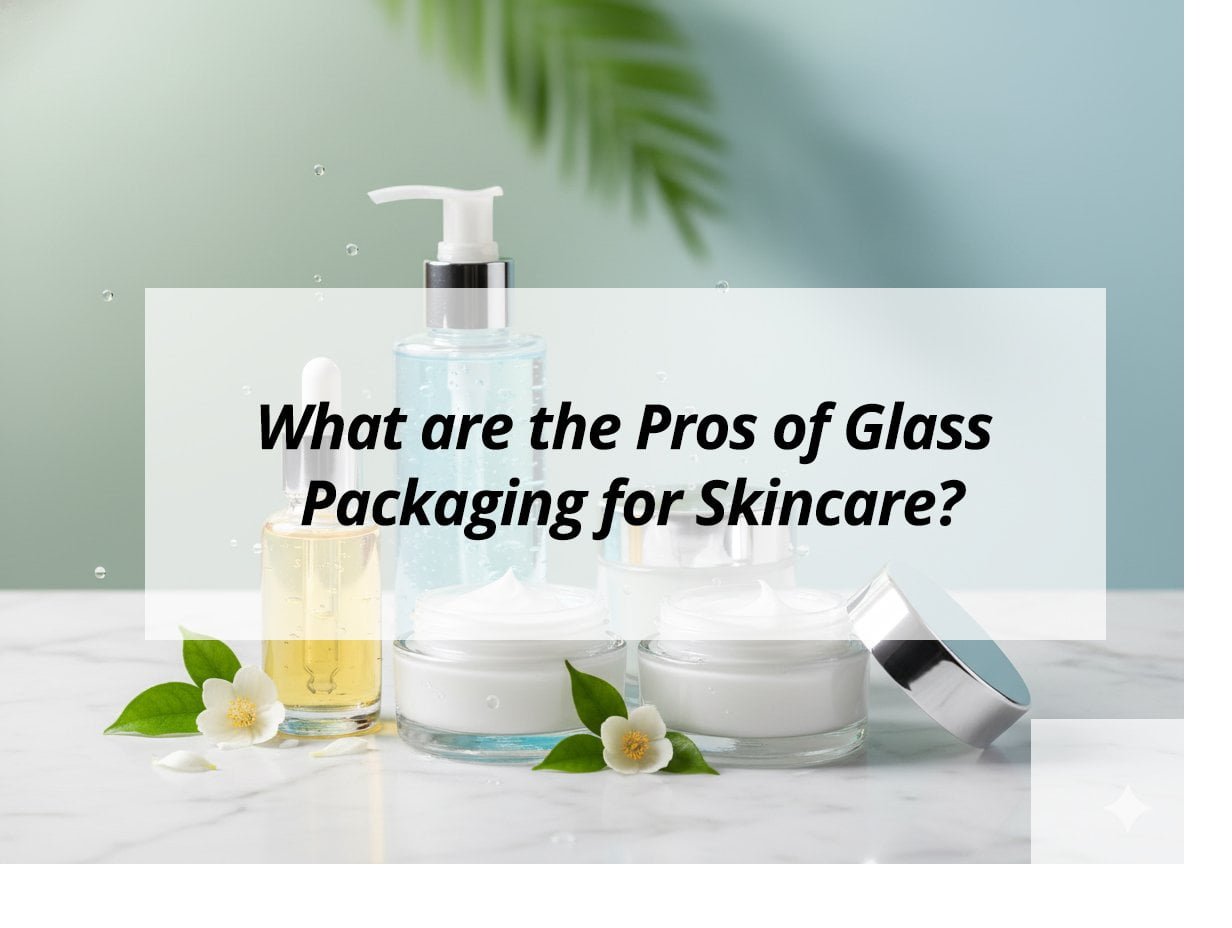
Glass packaging offers a premium feel, sustainability, and protective qualities, making it a top choice for skincare. It prevents harmful interactions between products and containers, ensuring product integrity and safety. Ideal for quality-focused brands, glass aligns with eco-friendly goals and elevates the overall consumer experience.
When you're selecting packaging, glass often stands out for its ability to preserve the integrity of its contents, ensuring a safer and more luxurious experience for users.
What are the advantages of glass packaging?
Imagine opening a beautifully designed glass container – it speaks volumes about the product's quality and your brand's commitment to excellence.
Glass packaging offers several advantages: it's non-reactive, preventing contamination; it's environmentally friendly1, being recyclable; it provides a luxurious aesthetic that enhances brand perception. These benefits make it a popular choice among premium skincare brands.
Key Advantages:
- Non-Reactive: Prevents chemical interactions with skincare products.
- Environmentally Friendly: 100% recyclable, supporting sustainability goals.
- Aesthetic Appeal: Provides a premium look and feel, enhancing brand image.
Why is glass packaging better than plastic?
Think about the feeling of holding a sturdy glass bottle versus a flimsy plastic one; the difference is palpable and significant.
Glass packaging surpasses plastic in areas like stability and durability. It's less prone to leaching chemicals into products, making it safer for sensitive skincare formulations. Glass also withstands temperature changes better, maintaining product consistency over time.
Benefits Over Plastic:
- Chemical Stability: No harmful leaching into products.
- Temperature Resistance: Maintains formulation stability.
- Luxury Perception: Conveys high value to consumers.
What is the disadvantage of glass packaging?
Though elegant, glass comes with its own set of challenges that can't be ignored.
Despite its benefits, glass packaging has drawbacks, such as fragility and higher costs. It can break easily if mishandled, posing risks during shipping and handling. The production and transportation costs of glass are also generally higher compared to alternatives like plastic.
Drawbacks:
- Fragility: Requires careful handling, risk of breakage.
- Cost: Higher production and shipping expenses.
- Weight: Increases logistics challenges.
What are the advantages and disadvantages of glass?
Balancing the scales between positives and negatives is vital when considering packaging options.
Glass packaging boasts durability, recyclability, and a premium aesthetic, making it ideal for luxury skincare products. However, its weight and fragility can increase shipping costs and logistical issues, making it less suitable for cost-sensitive markets.
![Image Placeholder]
| Aspect | Advantages | Disadvantages |
|---|---|---|
| Durability | Long-lasting, maintains product integrity | Fragile, can break easily |
| Environmental | Recyclable, sustainable choice | High production energy cost, heavy |
| Aesthetic | Premium feel and look | More expensive to produce |
Choosing glass means committing to quality and aesthetics, but also managing the associated logistical challenges. This decision should align with a brand's identity and customer expectations, ensuring the benefits outweigh the costs. It's about finding the right balance between cost, sustainability, and appealing to your customer base.
My insights: Advantages of Glass Packaging for Skincare
Concerned about preserving the quality and appeal of your skincare products? Discover why glass packaging offers unparalleled benefits for premium skincare brands.
Glass packaging provides non-reactive, sustainable protection for skincare products, enhancing product integrity and freshness. It offers a luxurious aesthetic, is fully recyclable, and preserves sensitive formulations, making it ideal for natural and organic products.
Benefits of Using Glass for Skincare Products
Sustainability and Environmental Benefits:
Glass is infinitely recyclable, maintaining quality through cycles, which makes it an eco-friendly choice over degrading plastics. Its reusability reduces waste, aligning with the growing demand for sustainable packaging.
Product Preservation and Integrity:
Glass's non-porous nature ensures no chemical reaction with skincare products, preserving potent ingredients like antioxidants. It blocks air, moisture, and UV light—especially in tinted varieties—thereby enhancing shelf life and preventing contamination.
Premium Appeal and Brand Perception:
Glass exudes luxury and sophistication with its elegant weight and clarity. It allows visibility of product texture and color, enhancing customer trust and supporting brand customization. This allure attracts premium consumers, enhancing perceived value.
Comparison Table
| Benefit | Description |
|---|---|
| Sustainability | Infinitely recyclable, reduces waste |
| Product Preservation | Non-reactive, preserves potency, blocks UV and moisture |
| Premium Appeal | Elegance, enhances brand perception, shows product clarity |
Glass packaging is a strategic choice for skincare brands focused on sustainability, product preservation2, and elevating brand image, meeting both ecological and consumer demands.
Conclusion
Glass packaging offers a luxurious and sustainable option for skincare, balancing premium appeal with environmental benefits. While challenges exist, the advantages often make it an excellent choice for quality-driven brands.