The cosmetic industry is dynamic. It consistently evolves. Understanding packaging is essential for product integrity. This discussion focuses on primary packaging. It is a critical component for cosmetic products.
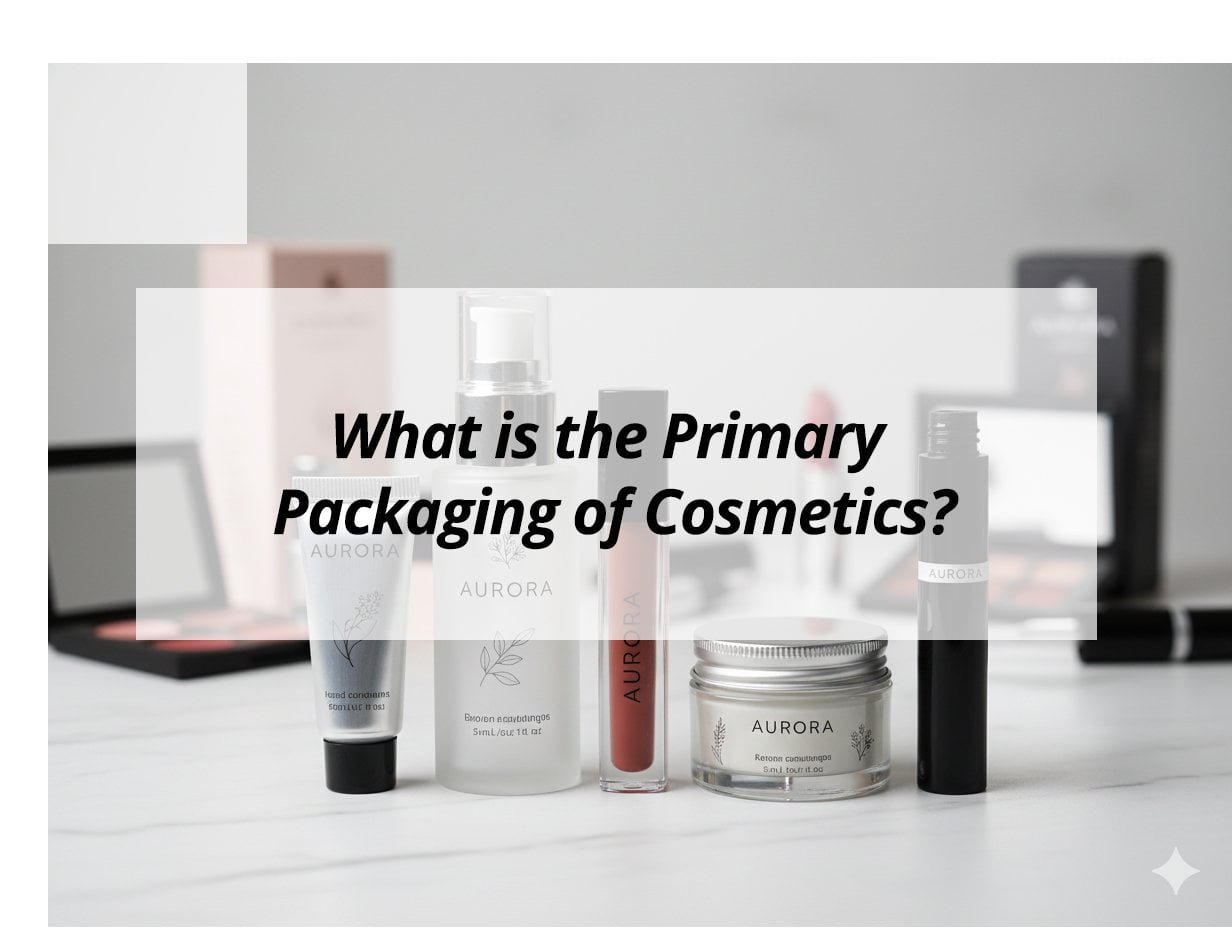
Primary packaging directly contains the cosmetic product. It represents the initial protective layer. This packaging is designed to safeguard the product. It ensures the product maintains its quality and effectiveness. Examples include bottles, jars, and tubes. These materials are in direct contact with the cosmetic formulation.
Packaging choices directly impact product safety. They also influence consumer perception. Selecting the right primary packaging is a strategic decision for any cosmetic brand.
What is considered primary packaging?
Many inquiries concern the definition of primary packaging1. It is the immediate container. This container holds the actual cosmetic product. Therefore, it has direct contact with the product formulation.
Primary packaging encompasses items like lipstick tubes2, lip gloss tubes, and cream jars3. It also includes air cushion cases4 and vacuum bottles5. These containers are vital for protecting the cosmetic product. They prevent contamination and degradation. This protection is fundamental for product quality and consumer safety.
A deeper look reveals the specific functions of primary packaging. Its main purpose is to maintain the product's integrity. This involves both physical and chemical protection. The materials chosen must be appropriate for the cosmetic formulation.
Direct Product Contact
Primary packaging always touches the product.
- Safety: It shields the product from external contaminants. This includes dust, microorganisms, and ambient air.
- Containment: It prevents the product from leaking, spilling, or evaporating.
- Integrity: It helps preserve the product's intended characteristics. These include fragrance, color, and texture.
Common Examples
Typical examples of primary packaging include:
| Product Type | Primary Packaging Example |
|---|---|
| Lipstick | Lipstick Tube |
| Lip Gloss | Lip Gloss Tube |
| Eyeliner | Eyeliner Tube |
| Eyeshadow | Eyeshadow Case |
| Foundation | Air Cushion Case |
| Serums | Vacuum Bottle |
| Lotions | Lotion Bottle |
| Creams | Cream Jar |
These examples highlight the diversity of primary packaging forms. Each form is designed for specific product types. It ensures proper dispensing and use. It also provides adequate protection against damage.
Material Selection Factors
Selecting the correct material is crucial.
- Plastic: This material is lightweight and cost-effective. It must be chemically compatible with the cosmetic product.
- Glass: This option offers a premium aesthetic. It is suitable for sensitive formulations. However, it is fragile.
- Metal: This material provides robust protection. It is often used for high-end cosmetic products.
The choice of material affects the product's shelf life. It also impacts the overall user experience. Compatibility with the cosmetic formulation is a primary consideration.
What is primary packaging FDA?
Regulatory compliance is a significant concern for cosmetic companies. What does primary packaging FDA signify? The FDA (Food and Drug Administration) in the United States sets regulations for various products. This includes cosmetics and their packaging.
The FDA establishes guidelines for cosmetic packaging. Primary packaging must be safe for its intended use. It must not react adversely with the product. It must also avoid leaching harmful substances into the cosmetic. Approved materials are required. This ensures the cosmetic product remains safe for consumer application.
Adherence to FDA guidelines is important for products sold in the U.S. market. These regulations aim to protect consumer health and safety. Packaging material approval is a critical step in this process.
FDA Regulatory Focus
The FDA's primary objective is public health protection.
- Non-reactivity: Packaging should not alter the cosmetic product's composition. No chemical migration into the product is permissible.
- Safe Materials: Materials used must be generally recognized as safe (GRAS). They should not pose a health risk to users.
- Sanitation: Packaging must be manufactured under sanitary conditions. This prevents contamination of the cosmetic product.
Unsafe packaging directly compromises product safety. Ensuring the integrity of packaging materials is therefore essential for compliance.
Labeling Requirements
The FDA also mandates specific labeling information.
- Ingredients: All ingredients must be clearly listed.
- Warnings: Any necessary warnings or precautions must be present.
- Manufacturer Information: The name and address of the manufacturer or distributor are required.
While these are labeling requirements, they are often displayed on primary packaging. This information helps consumers make informed choices.
Good Manufacturing Practices (GMP)
These practices are fundamental to FDA compliance.
- Controlled Environment: Production facilities must maintain cleanliness and control.
- Quality Control: Products undergo regular quality checks throughout manufacturing.
- Traceability: Materials and products should be traceable throughout the supply chain.
GMP ensures consistent product quality and safety. Following these practices is vital for all cosmetic packaging manufacturers.
What is primary and secondary packaging in pharmaceuticals?
The distinctions between packaging layers are important. What constitutes primary and secondary packaging in pharmaceuticals? This classification system is relevant to cosmetics but has stricter implications for medicines.
In pharmaceuticals, primary packaging is the direct container for the medicine. Examples include blister packs, vials, or bottles. Secondary packaging is the outer layer. It encloses multiple primary packages. It provides additional protection and critical information. A common example is the cardboard box holding a blister pack. This multi-layered approach guarantees drug safety and dosage accuracy.
Pharmaceutical packaging regulations are typically more stringent than those for cosmetics. However, the fundamental principles of protection and information dissemination are similar.
Packaging Layer Characteristics
A comparison of the layers reveals their specific roles.
- Primary Packaging (Pharma): Directly contacts the drug. Ensures sterility and stability. Protects from environmental factors like light, oxygen, and moisture. Examples: tablet blisters, syringe barrels.
- Secondary Packaging (Pharma): Contains primary packages. Provides extra physical protection. Displays essential information such as dosage, expiration dates, and batch numbers. Examples: unit cartons, patient inserts.
In cosmetics, primary packaging directly interacts with the product. Secondary packaging, such as a retail box, does not directly touch the cosmetic. It mainly serves for branding and additional protection during transport or display.
Importance of Layered Packaging for Pharma
Layered packaging is crucial for drug integrity.
- Drug Stability: Protects pharmaceutical ingredients from degradation.
- Tamper Evidence: Indicates if the package has been opened or altered.
- Accurate Dosing: Ensures the medicine is dispensed and administered correctly.
This systematic layering maintains drug efficacy and safety. While cosmetic packaging has different requirements, the emphasis on robust primary protection remains.
What is the primary packaging system?
It is beneficial to consider packaging as an integrated whole. What defines a primary packaging system? It encompasses more than just a single container.
A primary packaging system is the entire assembly of components. These components are in direct contact with the cosmetic product. It includes the main container, the closure mechanism, and any integral applicators. For instance, a lotion bottle, its pump dispenser, and the cap collectively form the primary packaging system. This system functions to preserve the product's stability and integrity.
The effective operation of all components within the system is critical. A malfunctioning part, such as a faulty pump, can render the entire package unusable. Therefore, thorough testing and compatibility checks are essential.
System Components
Each part plays a specific role in the system.
- Container: The vessel that holds the product. This can be a bottle, jar, tube, or compact.
- Closure: The mechanism that seals the container. Examples include screw caps, snap-on caps, pumps, and sprayers.
- Applicator: Components designed for product application. This might include brushes, wands, or roll-on balls.
All these components must be compatible. They must function together seamlessly. They must also maintain the product's protection from external elements.
Advantages of a System Approach
Viewing packaging as a system offers several benefits.
- Functionality: Ensures all parts work cohesively for proper product dispensing.
- Product Protection: The complete system provides comprehensive safeguarding for the product.
- User Experience: Impacts the ease of use and aesthetic appeal for the consumer.
Consider a lipstick tube. It comprises the base, the swivel mechanism, and the cap. These individual pieces form a complete system. Their precise fit and smooth operation are vital for product quality. Rigorous design and manufacturing standards are applied to ensure system integrity.
My Insights: Understanding the Primary Packaging of Cosmetics
Curious about what holds your favorite cosmetics directly? Primary packaging ensures product protection, user convenience, and brand identity, crucial for maintaining quality and consumer satisfaction.
Primary packaging in cosmetics consists of containers such as jars, bottles, and tubes that directly hold the product. These containers protect from contamination, facilitate dispensing, and support branding, playing a vital role in both product preservation and differentiation.
Exploring the Essentials of Primary Cosmetic Packaging
Basic Definition and Functions:
- Direct Contact: Primary packaging is the first layer, directly housing creams, serums, or powders.
- Protection Role: Shields products from air, light, moisture, and contamination, ensuring stability and effectiveness.
User Interface and Examples:
- Dispensing Features: Incorporates pumps, droppers, and compacts for ease of use.
- Typical Containers: Includes bottles for liquids, jars for creams, and tubes for balms, among others.
Materials and Consumer Impact:
| Material Type | Role & Benefits |
|---|---|
| Plastics (PET, PP, PE) | Non-reactive and safe for diverse formulations |
| Glass and Metals | Durable and often used for high-end products |
Consumer Appeal:
- Aesthetic design balancing functionality influences purchasing decisions, while thorough compatibility testing ensures safety and reliability. Primary packaging reflects brand image, playing a key role in attracting and retaining consumers, making it an essential aspect of cosmetic product development.
Conclusion
Primary packaging is the immediate container for cosmetics. It is vital for product protection and integrity. Understanding FDA guidelines and the components of a primary packaging system is essential. This ensures cosmetic products are safe and effective.
-
Understanding primary packaging is crucial for ensuring product safety and quality in cosmetics. ↩
-
Learn how lipstick tubes protect and enhance the user experience for cosmetic products. ↩
-
Discover why cream jars are popular for cosmetic packaging and their benefits. ↩
-
Find out how air cushion cases provide unique benefits for cosmetic products. ↩
-
Explore the benefits of vacuum bottles in preserving cosmetic formulations. ↩