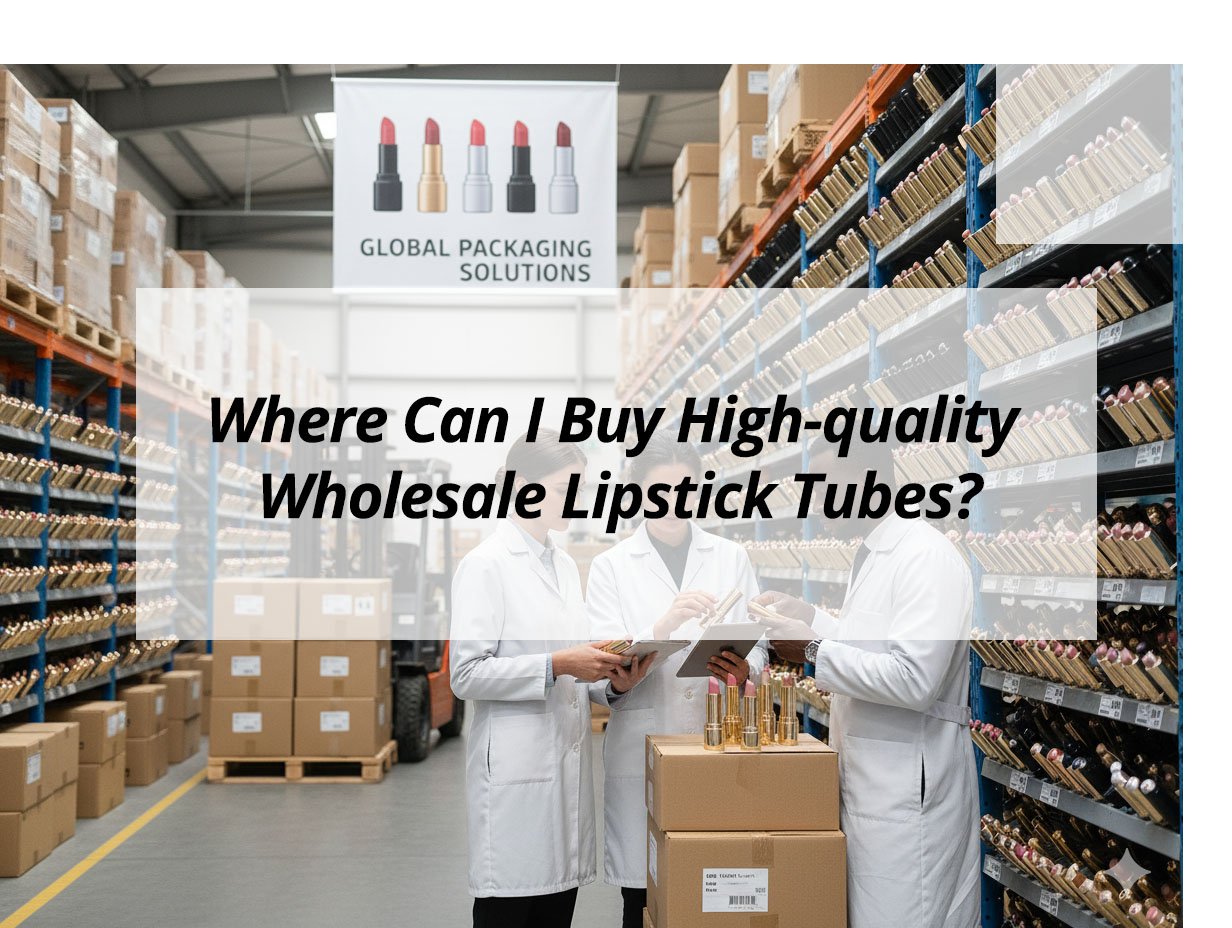
Are you struggling to find reliable suppliers for your lipstick tube needs? Many cosmetic businesses face issues with inconsistent quality and production delays. Securing superior packaging is crucial for brand success.
High-quality wholesale lipstick tubes can be sourced by partnering with reputable B2B manufacturers, particularly those in established production regions like Asia, who demonstrate robust quality control, offer diverse customization options, and have proven expertise in cosmetic packaging solutions.
The search for excellent cosmetic packaging is a common challenge for brand owners and buyers. The market demands both competitive pricing and consistent quality. This guide aims to clarify the best strategies for sourcing lipstick tubes and related packaging.
Do I need FDA approval to sell lip gloss?
Are you navigating the regulatory landscape for cosmetic products? Many companies are unclear about the specific requirements for lip gloss, and misunderstanding these rules can lead to significant compliance issues.
FDA pre-market approval is not typically required for lip gloss, as it is classified as a cosmetic, but all ingredients and labeling must comply with FDA regulations for safety and accurate representation, ensuring the product is safe for consumer use and adheres to all statutory provisions.
The regulation of cosmetic products, including lip gloss, falls under specific guidelines. Unlike drugs, cosmetics do not generally require pre-market approval from the FDA. This means a company does not need to submit its lip gloss formula or product for FDA review before selling it. However, this does not mean there are no rules. All cosmetic products must be safe for their intended use. The ingredients used must be safe. Product labels must be truthful and not misleading. Claims made about the product should not suggest it has medicinal properties, as this could reclassify it as a drug, triggering stricter regulatory oversight and approval processes.
Understanding FDA Guidelines for Cosmetics
The FDA establishes clear guidelines to ensure consumer safety and fair trade practices within the cosmetic industry. These guidelines focus on several key areas.
- Ingredients: All components used in a cosmetic product must be safe for consumer use. Color additives, if used, must be approved by the FDA for cosmetic application.
- Labeling: Labels must accurately list all ingredients in descending order of predominance. The label must also include the net quantity of contents and the name and place of business of the manufacturer, packer, or distributor. Any necessary warnings or caution statements must be prominently displayed.
- Good Manufacturing Practices (GMP): Manufacturers are expected to produce cosmetics under conditions that prevent contamination and ensure product consistency. While not explicitly mandated by regulation, GMP helps ensure product quality and safety.
Why Compliance Matters for Cosmetic Businesses
Adhering to FDA regulations is essential for operational legality and market reputation.
| Aspect | Importance | Impact on Business |
|---|---|---|
| Consumer Safety | Protects users from adverse reactions | Builds trust, reduces liabilities, fosters brand loyalty |
| Brand Reputation | Demonstrates commitment to quality and ethical practices | Enhances market perception, supports premium positioning |
| Legal Compliance | Avoids penalties, product recalls, and lawsuits | Ensures operational continuity, safeguards financial health |
| Market Access | Necessary for distribution through major retail channels | Expands sales opportunities, facilitates market penetration |
Suppliers of lip gloss tubes wholesale often highlight their commitment to quality standards that support their clients' regulatory needs. Ensuring the packaging itself meets quality benchmarks is part of a comprehensive compliance strategy for the final product.
How much does it cost to make a tube of lipstick?
Are you evaluating the production costs for a lipstick product? Many businesses struggle to accurately estimate the total expense, which can impact pricing strategies and overall profitability.
The cost to produce a tube of lipstick varies significantly based on raw material quality, packaging complexity, manufacturing volume, and formulation specifics, typically ranging from a few cents for bulk private label to several dollars for high-end, custom-designed products, making a detailed cost analysis essential for effective budgeting.
Determining the cost of a lipstick tube involves more than just the formula. It encompasses a multitude of factors, from the raw materials that form the lipstick itself to the packaging that houses it, and the logistics involved in delivery. Each element contributes to the final unit cost. For businesses sourcing lip gloss tubes wholesale, understanding these cost breakdowns is vital for strategic pricing and budgeting. A clear view of expenses helps in negotiating with suppliers and setting competitive market prices. Packaging, such as unique lip balm containers or standard lip balm tubes, significantly influences the overall unit cost.
Key Cost Components for Lipstick Production
The overall cost structure for lipstick production can be broken down into several primary categories, each with distinct financial implications.
- Raw Materials: This includes all ingredients like waxes, oils, pigments, and active compounds. The quality and source of these materials directly influence the cost. Specialty ingredients or those with specific certifications can increase expenses.
- Packaging: This is often a substantial portion of the cost. It covers the primary packaging (lipstick tube, lip balm tubes), secondary packaging (boxes, inserts), and labeling. Custom molds, premium materials, and intricate designs will add to the unit cost.
- Manufacturing and Labor: This includes the cost of processing, filling, assembly, and quality control. Production volume plays a critical role here; economies of scale typically lead to lower per-unit manufacturing costs for larger batches.
- Overhead: Indirect costs such as factory rent, utilities, equipment maintenance, and administrative salaries are allocated to each unit.
- Testing and Compliance: Expenses for product stability testing, safety assessments, microbiological testing, and any required certifications contribute to the overall cost.
- Logistics and Shipping: The cost of transporting raw materials to the factory and finished products to the buyer's distribution center or final destination is a significant factor, especially for international sourcing.
Factors Influencing Unit Cost in Production
Several variables can lead to fluctuations in the per-unit cost of lipstick production. Strategic choices in these areas can optimize expenditures.
| Factor | Impact on Cost | Strategic Consideration |
|---|---|---|
| Material Quality | Higher-grade or specialized ingredients increase cost | Balance between desired product performance and budget constraints |
| Packaging Design | Bespoke molds, complex finishes, and premium materials elevate expense | Evaluate market positioning to justify custom unique lip balm containers |
| Order Volume | Larger production runs typically yield lower per-unit costs | Plan inventory strategically to leverage economies of scale |
| Supplier Location | Regional differences in labor, materials, and logistics costs | Consider global sourcing for competitive pricing while ensuring quality |
| Customization Needs | Specific color matching, unique branding, or special finishes add to the price | Assess the value added by unique branding on lip balm tubes against its cost |
Suppliers specializing in cosmetic packaging often consult with clients on these cost factors. They offer options for lip gloss tubes wholesale that balance aesthetic appeal with budgetary requirements, helping clients make informed decisions about their unique lip balm containers and lip balm tubes.
Is selling lip gloss profitable?
Are you considering entering the lip gloss market and questioning its financial viability? Many entrepreneurs worry about profitability in a competitive beauty industry.
Selling lip gloss can be highly profitable due to its broad consumer appeal, relatively low production costs compared to other cosmetics, and potential for high markup, especially when supported by effective branding, targeted marketing, and efficient supply chain management.
The profitability of selling lip gloss is a key consideration for any business. The cosmetics market, particularly for lip products, remains robust. Lip gloss appeals to a wide demographic, from teenagers to adults, and often represents an accessible entry point into makeup routines or brand loyalty. Its consistent demand and relatively low cost of entry, compared to more complex cosmetic formulations, contribute to its strong profit potential. Businesses sourcing lip gloss tubes wholesale can achieve favorable unit costs, which allows for healthy profit margins when combined with effective retail strategies.
The Profit Potential of Lip Gloss Products
Lip gloss products often exhibit characteristics that contribute to strong profitability.
- High Markup Potential: The manufacturing cost for lip gloss, especially when sourcing ingredients and packaging in bulk, is generally low relative to its retail selling price. This allows for significant profit margins.
- Broad Market Appeal: Lip gloss is a widely used cosmetic product. Its versatility and availability in various shades and finishes ensure a large and consistent customer base.
- Adaptability to Trends: While specific formulations or finishes may trend, lip gloss as a product category remains enduring. It can easily adapt to new market demands, such as clean beauty or hydrating formulas.
- Lower Barrier to Entry: Compared to other cosmetic segments like skincare or complex makeup, starting a lip gloss brand can involve less initial investment in formulation development and regulatory hurdles.
Strategies for Maximizing Profitability in Lip Gloss Sales
To ensure a lip gloss venture is highly profitable, businesses must implement strategic approaches across several operational areas.
| Strategy | Description | Benefit |
|---|---|---|
| Niche Market Targeting | Focus on a specific consumer segment (e.g., eco-friendly, luxury, specific age group) | Reduces direct competition, allows for premium pricing, builds brand loyalty |
| Efficient Cost Management | Negotiate favorable terms with suppliers for raw materials and packaging (e.g., lip gloss tubes wholesale) | Increases gross profit margins, supports competitive pricing |
| Strong Brand Development | Create a unique brand identity, story, and visual aesthetic that resonates with the target audience | Attracts and retains customers, justifies higher price points |
| Strategic Marketing & Sales | Utilize digital marketing, social media influencers, and targeted advertising to reach potential buyers effectively | Drives sales volume, enhances brand visibility and recognition |
| Consistent Quality Assurance | Ensure every product batch meets high standards for formulation, packaging, and safety | Minimizes returns, generates positive reviews, strengthens consumer trust |
Sourcing unique lip balm containers and lip balm tubes that align with a brand's aesthetic and quality standards is crucial for market success. Packaging plays a significant role in perceived value and can directly influence a product's profitability.
How much does it cost to make a lipstick at the lip lab?
Are you considering a custom lipstick creation experience and wondering about its expense? Many consumers are interested in personalized beauty products but need clarity on the pricing structure.
Creating a lipstick at a lip lab typically incurs a higher cost, often ranging from $25 to $100 or more per tube, because it involves a personalized, hands-on service, custom color blending, and on-demand formulation by an expert technician, differing significantly from mass production pricing.
The experience of creating a custom lipstick at a "lip lab" offers a distinct value proposition compared to purchasing a mass-produced item. These labs specialize in personalization, allowing individuals to design their unique shade, finish, and even scent. The cost associated with this service reflects the bespoke nature of the product and the experiential aspect. It is important to distinguish this from the wholesale cost of lip gloss tubes wholesale or lip balm tubes, which are manufactured in large quantities for broader distribution. A lip lab's pricing encompasses not only the ingredients but also the dedicated time and expertise of the technician, as well as the unique, one-off production process.
The Value Proposition of a Lip Lab Experience
Lip labs differentiate themselves by offering a highly individualized service, catering to specific consumer desires that mass-market products cannot always fulfill.
- Personalized Consultation: Customers receive one-on-one guidance from an expert who assists in selecting and blending colors, textures, and fragrances.
- Custom Formulation: Lipsticks are often created from scratch on-site, allowing for precise control over the final shade and finish, tailored exactly to the customer's preference.
- Unique Product Creation: The ability to craft a truly one-of-a-kind lipstick shade is a significant draw, appealing to those who desire exclusivity.
- Experiential Retail: The process itself is part of the product. It offers an engaging and memorable retail experience that goes beyond a simple transaction.
- Premium Ingredients: Many lip labs use high-quality, sometimes specialized, ingredients to ensure both performance and a luxurious feel.
Comparing Lip Lab Costs to Wholesale Production
The financial models for a lip lab and a wholesale cosmetic packaging supplier are fundamentally different, driven by their respective scales and service offerings.
| Aspect | Lip Lab (Custom Creation) | Wholesale Manufacturing (Mass Production) |
|---|---|---|
| Unit Cost | High (e.g., $25 - $100+ per tube) | Low (e.g., $0.50 - $5 per tube for packaging) |
| Production Volume | Very low (typically 1-5 tubes per customer session) | Very high (thousands to millions of units) |
| Service Model | Experiential, bespoke, direct-to-consumer | B2B, bulk supply of packaging components, efficiency-driven |
| Customization Type | Individual product formulation and color blending | Custom packaging design (e.g., for unique lip balm containers) and branding on bulk orders |
| Target Market | Individual consumers seeking unique, personalized items | Cosmetic brands, product manufacturers, packaging distributors |
Wholesale suppliers of lip gloss tubes wholesale focus on cost-efficiency and consistent quality for large orders. They offer a range of standard and custom lip balm tubes designed for mass production, supporting businesses that require substantial quantities for their product lines.
My Insights: Where Can I Buy High-Quality Wholesale Lipstick Tubes?
Struggling to find reliable suppliers for lipstick tubes that look premium and last longer? Wholesale providers offer durable, customizable packaging solutions to suit your unique branding and cost preferences.
Top suppliers for wholesale lipstick tubes include Alibaba, Berlin Packaging, Cosmopak, and APC Packaging. These providers offer customizable, high-quality lipstick tubes in eco-friendly, luxury, or OEM designs with bulk pricing options.
Essential Factors to Consider When Choosing a Wholesale Lipstick Tube Supplier
1. High-Quality Materials
Durable and visually appealing lipstick tubes are typically made from acrylic, aluminum, PET, or PP. Eco-conscious brands can also opt for recyclable or biodegradable options offered by suppliers like Berlín Packaging and Jascopack.
2. Customization Options
Suppliers such as Cosmopak and Rayuen Beauty excel at custom packaging designs, including logo printing, color matching, luxury finishes, and varied cap styles. This ensures alignment with your branding aesthetics.
3. MOQ and Bulk Pricing
Low-MOQ options are available from platforms like Aliexpress for smaller production runs. For larger quantities, Alibaba and Ningbo Huihe offer competitive bulk pricing, helping brands reduce costs while maintaining quality.
4. Sustainable and Premium Tubes
APC Packaging specializes in sustainable solutions, while HCP Packaging offers luxury metal finishes for high-end lipstick branding. Consider blending eco-friendliness or a premium aesthetic based on target customers.
5. Sample and Compliance Testing
Always request samples to test closure strength, durability, and compatibility with products. Confirm FDA or cosmetic-grade compliance, especially for international suppliers like Taizhou YiCai Plastic.
| Supplier | Key Features | Best Fit For | Extra Benefits |
|---|---|---|---|
| Berlin Packaging | Durable, bulk pricing, recyclable tubes | Large-volume procurement | Range of eco-friendly options |
| Cosmopak | High-quality, custom designs | Premium branding | Custom color, logo, & finishes |
| APC Packaging | Sustainable and innovative designs | Eco-conscious brands | Creative sustainable material options |
| Rayuen Beauty | Luxury customized lipstick tubes | Premium and branded cosmetics | OEM services and design flexibility |
| Ningbo Huihe | Affordable bulk quantities | Large-scale production | Export-oriented packaging solutions |
Finding the right supplier for wholesale lipstick tubes depends on your brand goals, budget, and design preferences. For eco-friendly tubes, APC Packaging offers innovative options, while Cosmopak and Rayuen Beauty excel in premium customizable designs. Platforms like Alibaba and Berlin Packaging provide cost-effective solutions for large-scale orders combining quality and affordability.
Conclusion
Sourcing high-quality wholesale lipstick tubes demands careful consideration of suppliers. Understand FDA regulations, precisely calculate production costs, and strategize for profitability, including packaging like lip balm tubes and unique lip balm containers.