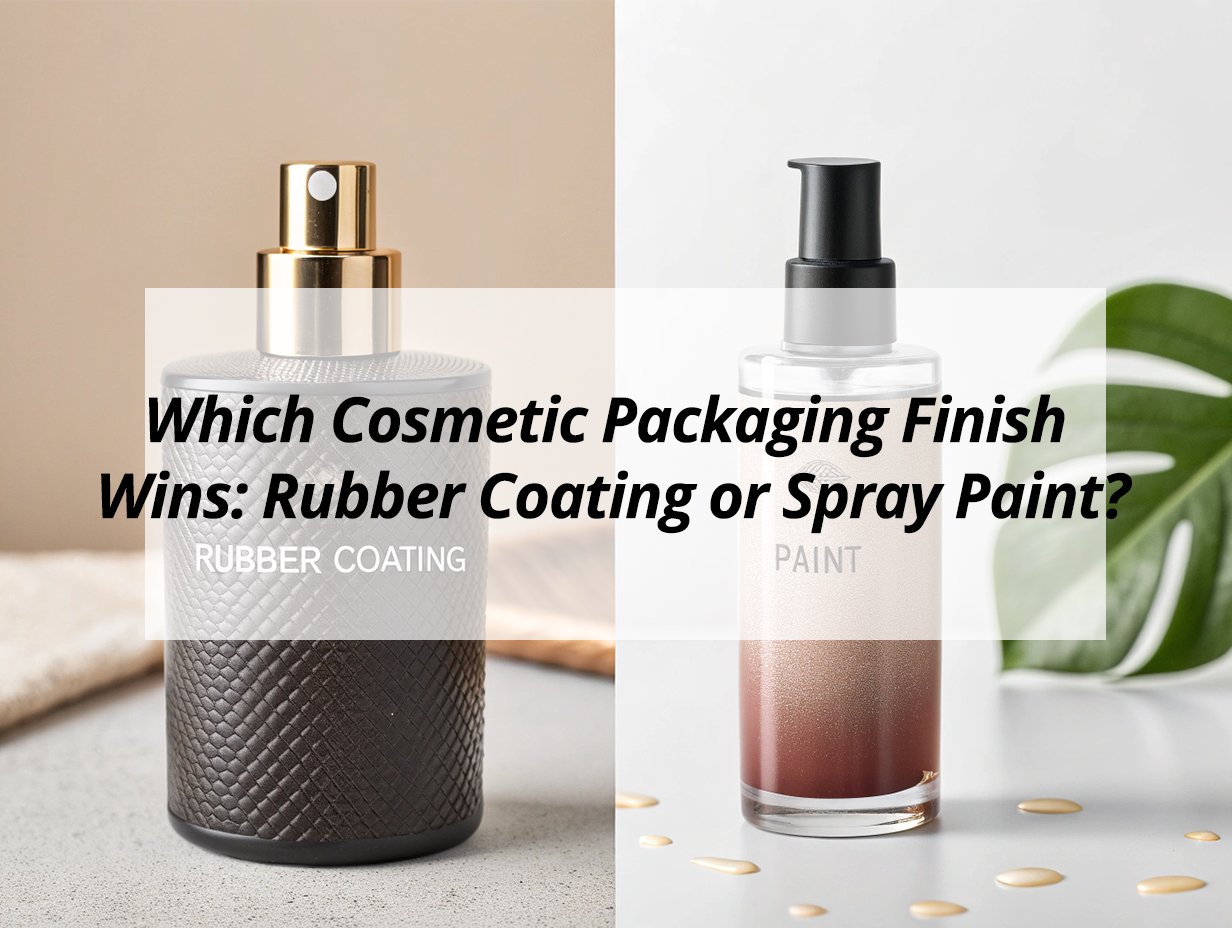
Rubber coating and spray paint are popular choices in cosmetic packaging. Which one truly enhances appearance and durability?
Rubber coating offers a tactile, durable finish, enhancing user experience and longevity, while spray paint provides versatile, vibrant colors suitable for diverse designs. Choosing the right finish depends on balancing aesthetics with product protection needs, ensuring packaging aligns with both brand image and practical requirements.
Packaging finish impacts brand perception and consumer attraction. Understanding these options aids decision-making for ideal presentation.
Is there a rubberized spray paint?
Curious about rubberized spray paint1 for cosmetics? Could this blend offer the best solution?
Yes, rubberized spray paint exists, combining the grip of rubber with the versatility of spray application. It enhances durability and offers a unique texture, ideal for dynamic packaging designs.
This blend is perfect for brands seeking innovative finishes. With texture and grip, it can redefine how consumers interact with products. The tactile feel of rubberized spray paint adds a layer of sophistication, creating memorable user experiences.
Rubberized Spray Paint
Rubberized spray paint combines functionality with aesthetics, offering unique advantages. It stands out in the market and appeals to brands that wish to differentiate their products through innovative packaging solutions.
Key Features
- Texture and Grip: The tactile nature of rubberized finishes attracts consumers, offering a luxurious feel reminiscent of high-end products.
- Durability: It withstands wear and tear from handling and environmental factors, making it ideal for products frequently used.
Rubberized spray paint caters to brands desiring distinct and practical packaging. Selecting this finish involves considerations of texture, durability, and visual impact.
Brand Benefits:
- Differentiation: Unique finishes can set products apart from standard offerings.
- Enhanced Perception: High-quality tactile experiences enhance brand perception.
Brands can leverage this innovative solution to improve their packaging appeal and consumer engagement, making it a robust option for diverse needs.
Which skincare brand has the best packaging?
Perfect packaging elevates skincare products. Which brand truly shines in packaging design?
Determining the best skincare packaging involves subjective preferences, but brands like Estée Lauder and Glossier frequently earn acclaim for innovative designs and sustainable solutions2.
Packaging speaks volumes. A brand's dedication to quality and design influences consumer choices. Leading brands understand the importance of harmonizing aesthetics with functionality to captivate and retain customers.
Leading Skincare Packaging
Exploring top skincare packaging involves distinct elements, including design creativity and sustainable practice. Successful brands balance visual appeal with practicality, resonating with eco-conscious consumers3.
| Brand | Description |
|---|---|
| Estée Lauder | Elegant, functional designs using luxurious and eco-friendly materials. |
| Glossier | Minimalist packaging using recyclable materials that align with sustainability. |
A brand's packaging reflects its values and consumer priorities. Choosing effective design strategies involves considering aesthetics and sustainability, crucial for standing out in the crowded skincare market.
Does spray paint adhere to rubber?
Does spray paint effectively stick to rubber? This concern affects many packaging choices.
Spray paint can adhere to rubber with proper preparation, using primers and top coats. This approach ensures longevity and enhances aesthetic appearance.
Adhering paint to rubber requires specific steps. Knowing these ensures durability and quality finishes. A smooth, even application makes a significant difference in the outcome.
Spray Paint Adherence
Successful spray paint application on rubber involves preparation and technique. Each step plays a crucial role in ensuring that the paint remains intact under usage conditions.
Preparation Steps
- Surface Cleaning: Ensure all dirt and residue are removed for better paint adhesion. A clean surface is critical for avoiding peeling and chipping.
- Primer Use: Applying a suitable primer is essential for enhanced paint bonding, especially when dealing with flexible surfaces like rubber.
Application Techniques
- Layering: Multiple thin layers of spray paint offer better coverage and durability than one thick layer. This method helps avoid drips and runs.
- Sealing: Using a topcoat or sealer ensures that the paint withstands environmental exposure, protecting it from fading and damage.
Adhering paint to rubber needs precision. Proper preparation and methods assure effective application, maintaining finish quality. This meticulous approach guarantees that packaging maintains its desired look over time.
What kind of paint will stay on rubber?
Selecting the right paint is crucial for durable rubber finishes. Which type performs best?
Acrylic-based paints are renowned for adhering well to rubber, offering flexibility and resistance to cracking, making them ideal for durable cosmetic packaging4 finishes.
Choosing the right paint ensures lasting quality. It's vital to understand material compatibility and durability. Acrylic paints provide the flexibility necessary for forgiving surfaces subject to changes.
Paint Selection for Rubber
Picking the right paint involves understanding performance and compatibility. Each type of paint offers unique benefits that can influence the final appearance and longevity of packaging.
Paint Types
-
Acrylic Paint: Known for its ability to flex without cracking, this paint type is ideal for packaging subject to movement and handling.
-
Specialty Paint: Designed for adhesion to unique surfaces, these paints can be optimized for particular applications, offering enhanced durability.
Advantages
| Paint Type | Advantages |
|---|---|
| Acrylic | Flexibility, wide color range, resists cracking. |
| Specialty | Tailored formulations, ensures firm adherence on challenging surfaces. |
Selecting paint integrates functionality and durability. Acrylic options provide superior adhesion, ensuring long-lasting packaging finishes that withstand usage. This thoughtful selection process is key to achieving both aesthetic and pragmatic goals in packaging design.
My insights: Rubber Coating or Spray Paint
Choosing the perfect finish for cosmetic packaging can elevate your brand—explore whether rubber coating or spray paint provides the ultimate edge in style and functionality.
Rubber coating offers a premium soft-touch feel and durability, while spray paint provides versatile design options and cost-effective application. The choice depends on tactile preference, visual appeal, and production needs.
Comparing Rubber Coating and Spray Paint
Tactile Experience and Durability
- Rubber Coating: Provides a soft, matte texture, enhancing luxury feel and grip. Offers medium durability but excels in tactile engagement.
- Spray Paint: Offers smooth finishes with varied textures, including gloss and pearlescent. Known for high durability against environmental factors.
Visual Appeal and Production
- Rubber Coating: Creates sophisticated matte visuals, aiding in premium product branding.
- Spray Paint: Supports diverse colors and effects, enabling creative designs for large-scale production.
| Feature | Rubber Coating (Soft Touch) | Spray Paint (Spray Coating) |
|---|---|---|
| Touch & Feel | Soft, velvety matte sensation | Smooth, various textures (matte, glossy, etc.) |
| Visual Variety | Matte appearance | Wide range of colors and finishes |
| Durability | Medium; vulnerable to scratches | High; resists moisture, chemicals, light |
| Production Speed | Moderate | Fast, suitable for mass production |
Eco-Friendliness and Application
- Rubber Coating: Less common eco-options but offers shock absorption and reduces fingerprint marks.
- Spray Paint: Includes water-based, eco-friendly coatings5; adaptable to various materials, enabling quick design changes.
Ultimately, the decision hinges on brand priorities: tactile luxury versus versatile design and durability. Some brands integrate both for enhanced cosmetic packaging effects.
Conclusion
Rubber coating and spray paint both enhance cosmetic packaging. Choose based on texture, durability, and aesthetic needs for optimal brand expression.
-
Explore the unique advantages of rubberized spray paint, including durability and texture, for innovative packaging solutions. ↩
-
Find out how skincare brands are adopting sustainable practices in their packaging designs. ↩
-
Explore effective packaging strategies that resonate with environmentally aware consumers. ↩
-
Stay updated on the latest trends in cosmetic packaging that enhance brand appeal. ↩
-
Discover eco-friendly spray paint options that align with sustainable packaging practices. ↩