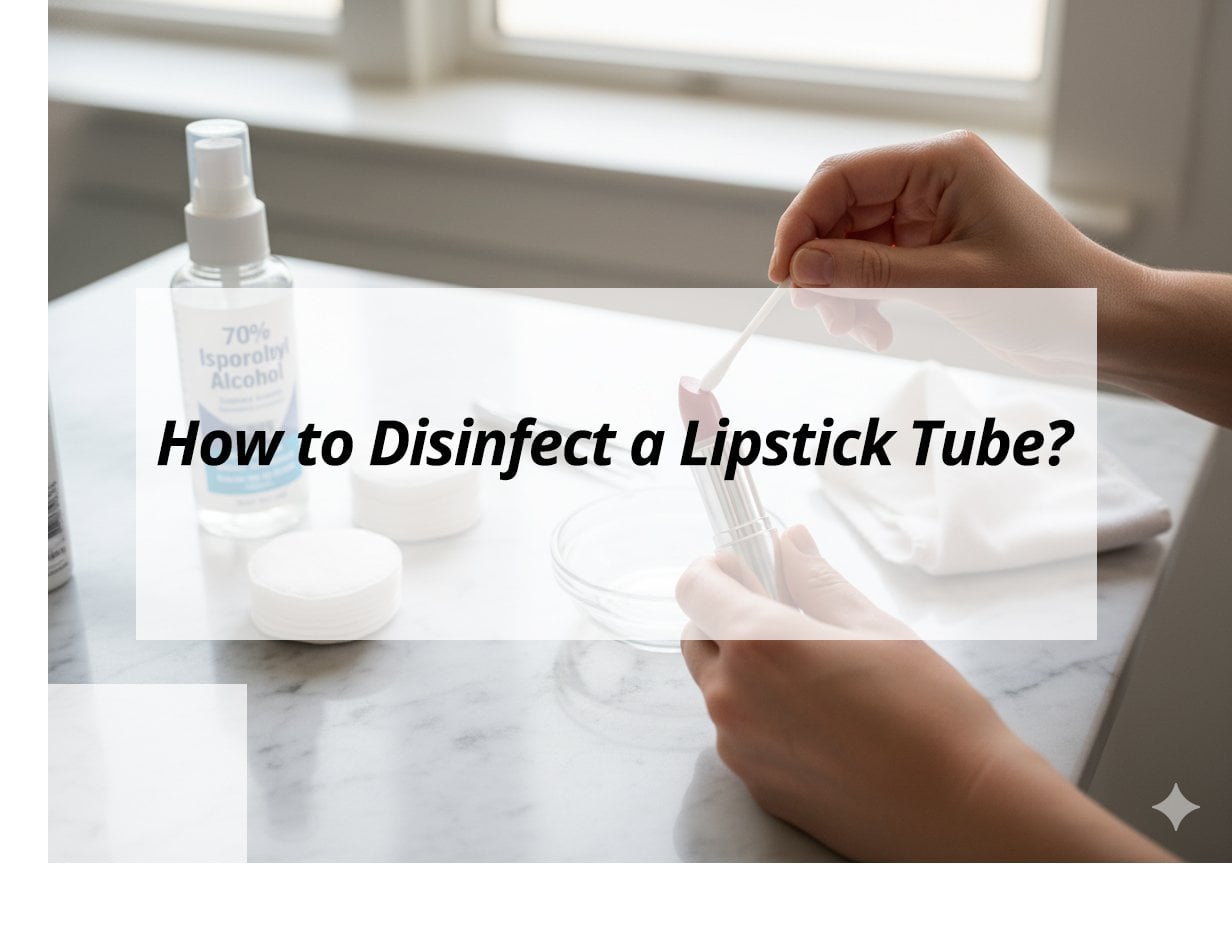
Keeping cosmetic products sanitary is very important. This article explains how to disinfect a lipstick tube. This process helps prevent germ spread and maintains product hygiene.
Disinfecting a lipstick tube involves simple, practical steps. Using 70% isopropyl alcohol on the outer packaging and exposed product helps reduce bacteria. This ensures sanitary conditions. It is especially useful for products used by multiple people or after personal illness.
Maintaining hygiene for cosmetic packaging is a key factor. This practice protects product integrity and user safety.
How Can You Disinfect a Tube of Lipstick?
Many people ask about disinfecting lipstick tubes. This process is essential for hygiene. It helps remove germs from the product.
To disinfect a lipstick tube, first wipe the exterior with an alcohol-soaked cloth. Then, lightly spray or wipe the exposed lipstick bullet with 70% isopropyl alcohol. Allow it to air dry completely before replacing the cap. This method effectively kills many types of bacteria and viruses.
Understanding the disinfection process is straightforward. It requires basic materials and correct application.
The Importance of Disinfection for Cosmetics
Disinfection is crucial in cosmetic handling. It ensures product safety and user health.
- Consumer Safety: Proper hygiene safeguards consumers from potential infections.
- Product Quality: It helps maintain the quality and shelf life of the cosmetic product.
- Prevent Contamination: Disinfection stops the transfer of microbes between surfaces and products.
Here is a simple list of required items.
| Item | Purpose |
|---|---|
| 70% Isopropyl Alcohol | Primary disinfectant agent |
| Clean Cloth or Tissue | For wiping surfaces |
| Cotton Swabs | For cleaning small or intricate areas |
| Air-Drying Surface | To allow thorough drying after application |
Ensuring clean practices is a fundamental aspect of product care.
Steps for Disinfecting a Lipstick Tube
Follow these steps for optimal disinfection.
- Prepare Materials: Gather alcohol, cloths, and swabs.
- Clean Exterior: Wipe the outside of the lipstick tube. Apply alcohol to the cloth for this step.
- Sanitize Product Surface: Twist the lipstick up. Lightly spray the exposed product surface with alcohol. A gentle wipe can also be used. Avoid pressing hard on the product.
- Air Dry: Let the lipstick dry completely. Do not cap it while wet. Alcohol evaporates quickly.
These steps are applicable for various lipstick tube materials.
Best Practices for Product Handling
Beyond individual disinfection, general handling practices are important.
- Use Gloves: Always use gloves when handling cosmetic products to prevent contamination.
- Proper Storage: Store tubes in a clean, dry environment. This prevents new contamination.
- Routine Checks: Periodically check products for cleanliness. This helps maintain hygiene standards.
Adhering to these practices improves overall product sanitation.
How to Disinfect Lipstick After Being Sick?
Concerns about re-infection after illness are valid. How should lipstick be treated in such cases?
After an illness, it is advisable to thoroughly disinfect your lipstick. This can be done by gently removing the top layer of the lipstick bullet. Subsequently, spray the remaining product with 70% isopropyl alcohol. This action eliminates germs and makes the lipstick safe for continued use. This process provides added assurance.
Taking these precautions helps prevent the spread of illness.
Reasons for Post-Illness Disinfection
During illness, germs can transfer to lipstick. Re-using uncleaned lipstick can lead to re-infection. This is particularly relevant for common colds or flu.
- Prevent Illness Recurrence: Breaks the cycle of re-infection from personal items.
- Maintain Hygiene: Keeps cosmetic products consistently clean.
- Reduce Risk: Minimizes the chance of transferring pathogens.
Understanding the transfer of germs emphasizes the need for this practice.
Steps for Post-Illness Disinfection
Here are detailed steps for disinfecting lipstick after illness.
- Remove Top Layer: Use a clean tissue or a sanitized knife. Carefully slice off the uppermost layer of the lipstick. Discard this layer.
- Apply Alcohol Spray: Extend the lipstick. Spray the exposed product surface with 70% isopropyl alcohol.
- Wipe Tube Exterior: Clean the outside of the tube. Use a cloth dampened with alcohol.
- Allow Air Drying: Ensure the lipstick dries completely before replacing the cap.
This method is effective for personal cosmetic items.
Disinfection for Other Lip Products
This approach is also suitable for other lip products. For lip gloss, wipe the applicator wand with alcohol. Then, reinsert it into the tube. The alcohol helps disinfect the inner product.
| Product Type | Disinfection Method |
|---|---|
| Lipstick Tube | Remove top layer, alcohol spray, wipe exterior |
| Lip Gloss Tube | Wipe wand with alcohol, reinsert, wipe exterior |
| Lip Liner Pencil | Sharpen, then wipe the tip with alcohol |
Applying these methods ensures broader lip product hygiene.
What Bacteria Grows on Old Lipstick?
The presence of bacteria on old lipstick is a relevant concern. Identifying these microbes helps highlight the importance of disinfection.
Old lipstick can harbor various microorganisms, including bacteria and fungi. Commonly found species include Staphylococcus epidermidis, Streptococcus species, and occasionally E. coli. These microbes can cause skin irritation or infections if they transfer to the lips. Proper storage and regular disinfection significantly lower these risks.
Understanding potential contaminants underscores the need for effective hygiene practices.
Microbial Growth in Cosmetics
Lipstick provides a suitable environment for microbial growth due to its moisture content. Each use can introduce new microbes.
- Skin Microflora: Bacteria from skin surfaces can transfer to the product.
- Environmental Contaminants: Airborne particles and dust can deposit microbes.
- Salivary Transfer: Saliva can introduce various microorganisms.
Microbial proliferation in cosmetics is a known phenomenon.
Identified Microorganism Types
Here are some types of microbes that may be present.
- Staphylococcus epidermidis: A common skin bacterium, usually harmless, but can cause issues in compromised skin.
- Streptococcus species: Various species that can cause infections.
- Pseudomonas aeruginosa: A less common but potentially serious pathogen.
- Fungi and Yeasts: Can also grow, leading to mold and product degradation.
Regular hygiene checks are important for product safety. Cosmetic packaging materials are chosen for their stability and resistance to microbial proliferation.
Strategies for Preventing Microbial Growth
Preventative measures are key to controlling microbial growth.
- Optimal Storage: Store lipstick in a cool, dry place. Avoid direct sunlight and extreme temperatures.
- Monitor Expiration Dates: Adhere to product shelf life guidelines.
- Avoid Sharing: Sharing lipstick is a primary route for germ transmission.
- Consistent Cleaning: Regularly wipe tubes and product surfaces as described.
These practices contribute to maintaining product integrity and user safety.
How to Sterilize Lip Balm Tubes?
Lip balm tubes require similar attention to hygiene. How can they be effectively sterilized?
To sterilize lip balm tubes, especially new ones before product filling, use methods involving heat or chemical disinfection. For existing lip balms, clean the outer tube and exposed balm with 70% isopropyl alcohol. This ensures hygienic use and prevents bacterial contamination. Always allow complete air drying.
Sterilization is a critical step in cosmetic manufacturing and personal use.
Rationale for Lip Balm Tube Sterilization
Lip balm tubes frequently contact the lips. This makes them potential vectors for germ transfer. Sterilization helps maintain safety.
- Prevent Lip Infections: Protects against microbial infections on the lips.
- Enhance Product Stability: Clean tubes contribute to a longer and safer product shelf life.
- Preserve Product Quality: Ensures the product remains free from microbial spoilage.
Proper sterilization is vital for both product efficacy and consumer health.
Sterilization Methods for New Tubes (B2B Context)
For cosmetic manufacturers, sterilizing new tubes is essential. Here are common methods.
- UV Sterilization: Utilizes ultraviolet light to eliminate microbes.
- Advantages: Chemical-free, rapid process.
- Disadvantages: Primarily surface sterilization, may not reach all internal areas.
- Alcohol Immersion or Spray: Tubes are submerged in or sprayed with 70% isopropyl alcohol.
- Advantages: Effective against a broad spectrum of microbes.
- Disadvantages: Requires thorough drying, potential for residue if not pure alcohol.
- Autoclaving (High-Heat Sterilization): Applicable for heat-resistant materials.
- Advantages: Highly effective in achieving sterilization.
- Disadvantages: Not suitable for all plastic types, requires specialized equipment.
Packaging materials are selected for their stability and suitability for these processes.
| Method | Primary Application | Advantages | Disadvantages |
|---|---|---|---|
| UV Light | New tubes | Chemical-free, quick | Surface-level only, equipment costs |
| Alcohol Wipe/Spray | Existing and new tubes | Effective, easily accessible | Requires drying, potential for residue |
| Autoclave | New, heat-resistant | High-level sterilization | Material compatibility issues |
Often, a combination of these methods is employed in manufacturing.
Steps for Disinfecting Existing Lip Balm
For lip balm already in use, follow these steps.
- Wipe Exterior: Use an alcohol-dampened wipe on the outer surface of the tube.
- Clean Balm Surface: If feasible, gently wipe the top layer of the balm. Alternatively, lightly spray with alcohol.
- Air Dry: Allow the product to dry completely.
These steps help maintain personal lip balm hygiene.
My Insights: How to Disinfect a Lipstick Tube Safely and Effectively
Worried about germs on your favorite lipstick? Learn how to disinfect it without compromising quality.
To disinfect a lipstick tube, use 70–80% isopropyl alcohol. Wipe the exterior, scrape off the top layer of the bullet, dip or spray it with alcohol, and let it air dry completely.
Effective Steps for Lipstick Sanitization
Preparation and Exterior Cleaning
- Inspection: Ensure the lipstick isn’t expired or has a strange smell—replace if necessary.
- Cleaning Tools: Use 70–80% isopropyl alcohol, cotton pads, and Q-tips.
Disinfecting Steps
| Task | Steps | Benefits |
|---|---|---|
| Exterior Clean | Wipe with alcohol-soaked cotton pad. | Removes surface bacteria. |
| Interior Cap/Rim | Use alcohol-soaked Q-tip for inside cleaning. | Prevents germ buildup. |
| Bullet Disinfection | Scrape thin layer, dip in alcohol, air-dry. | Ensures deep clean. |
When to Discard
- If used during an outbreak (e.g., cold sore), or if mold/rancid smell develops, replace the lipstick.
Properly disinfecting your lipstick ensures safety and extends its usability, especially if contamination concerns arise.
Conclusion
Effective disinfection of lipstick and lip balm tubes is very important. It prevents germ transmission. Using 70% isopropyl alcohol for regular cleaning is effective. This ensures product safety and extends usability.