Many facial care products lose trust before the customer touches the formula. The issue is not always the cream or serum. It is often the wrong packaging.
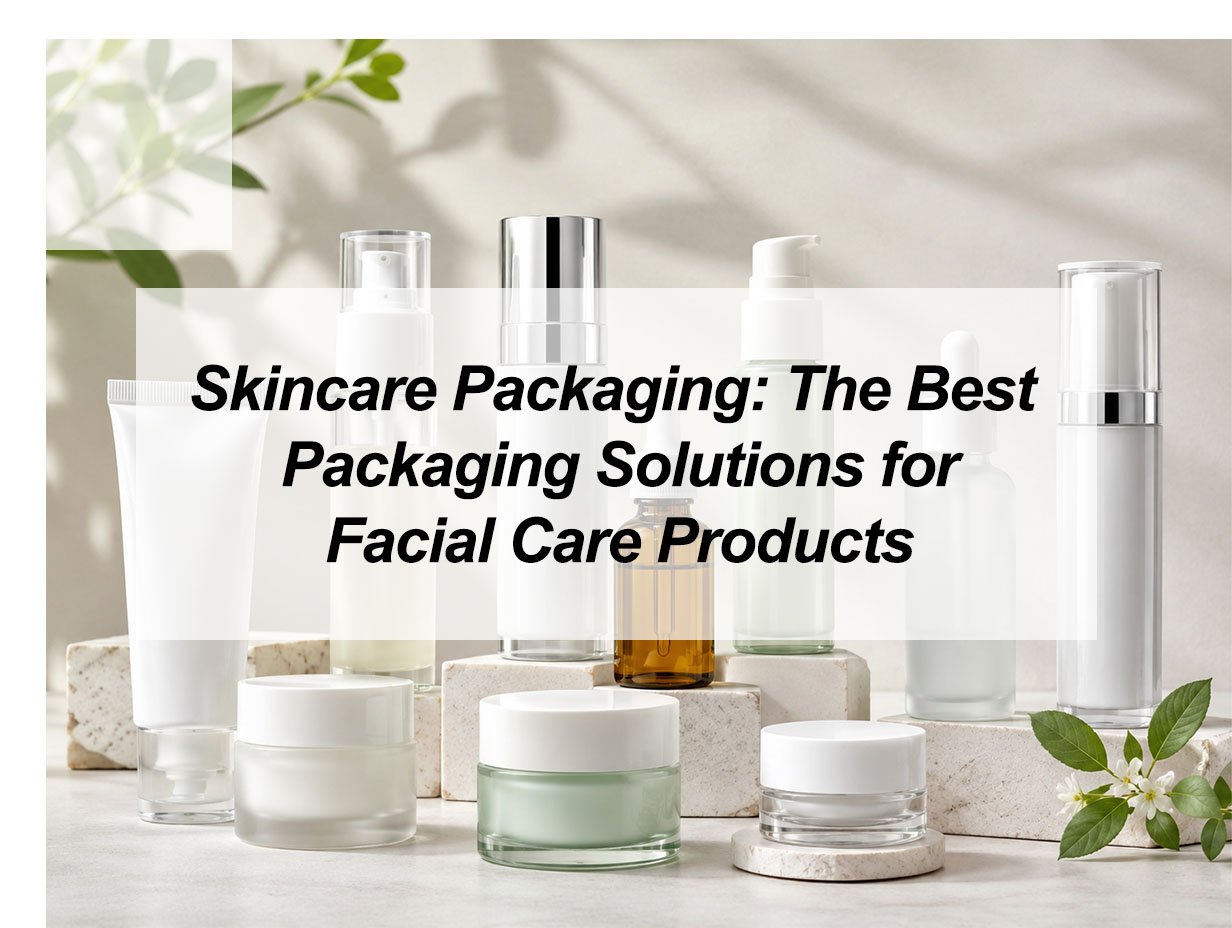
The best skincare packaging solutions for facial care products include airless bottles, pump bottles, cream jars, dropper bottles, tubes, refillable packs, mono-material packaging, and protective secondary cartons. The right choice depends on formula type, product texture, hygiene needs, brand positioning, filling process, shipping safety, and target market requirements.
I see skincare packaging as part of the product itself. It protects the formula. It controls how the customer uses the product. It also tells the buyer whether the brand feels clean, safe, premium, simple, clinical, natural, or affordable. When I choose packaging for facial care products, I do not only look at appearance. I look at function, material, dispensing, sealing, decoration, and long-term supply stability.
Why Does Skincare Packaging Matter for Facial Care Products?
A skincare formula can be well developed, but weak packaging can make it feel cheap, unsafe, or hard to use. That can damage the whole product image.
Skincare packaging matters because facial care products often contain sensitive formulas, daily-use textures, and strong customer expectations. Good packaging protects the formula, improves hygiene, reduces leakage, supports clear labeling, and creates a better user experience. It also helps brands build trust in retail, e-commerce, and wholesale channels.
Packaging Protects More Than the Formula
Facial care products usually stay close to the customer’s eyes, lips, and skin barrier. This makes packaging more sensitive than many other beauty categories. A facial serum may need protection from air. A moisturizer may need a clean seal. A toner bottle may need controlled pouring. A facial cleanser tube may need a stable cap and strong body. A sunscreen bottle may need good compatibility and clear labeling.
I always look at skincare packaging through three basic questions:
| Question | Why It Matters |
|---|---|
| Can it protect the formula? | It helps reduce leakage, oxidation, drying, and contamination. |
| Can it improve daily use? | It helps the customer apply the right amount with less mess. |
| Can it support the brand image? | It helps the product look trustworthy and easy to understand. |
Facial Care Packaging Must Match Texture
Skincare is not one single product type. A gel cleanser does not need the same packaging as a thick night cream. A light essence does not behave like a balm. A sunscreen does not flow like toner. The packaging must match the product texture.
| Facial Care Product | Common Packaging Solution | Main Benefit |
|---|---|---|
| Serum | Airless bottle or dropper bottle | Controlled dosage and premium feel |
| Moisturizer | Cream jar or airless jar | Good for thicker textures |
| Toner | PET bottle or pump bottle | Easy pouring or pressing |
| Cleanser | Tube or pump bottle | Simple use and stable storage |
| Eye cream | Small airless bottle or tube | Better hygiene and control |
| Sunscreen | Tube, airless bottle, or pump bottle | Portable and clean dispensing |
I do not like choosing packaging only because it looks trendy. A beautiful bottle can still fail if the pump cannot handle the formula. A premium jar can still fail if the inner seal is weak. A light bottle can still create problems if it dents during shipping. Good skincare packaging must pass the daily-use test and the supply-chain test.
What Are the Best Packaging Types for Skincare Products?
Every skincare product needs a packaging type that fits its formula, price, usage habit, and sales channel. One format cannot solve every problem.
The best packaging types for skincare products include airless bottles for serums and lotions, cream jars for rich textures, tubes for cleansers and sunscreen, pump bottles for toners and lotions, dropper bottles for facial oils, and refillable packaging for repeat-purchase products. Each type has a clear role.
Airless Bottles for Serums, Lotions, and Sensitive Formulas
I often see airless bottles as one of the strongest packaging solutions for facial care products. They are useful for serums, light creams, eye creams, and lotions. The customer can press the pump and get a controlled amount. The formula is not exposed in the same way as an open jar. This makes the product feel cleaner and more modern.
Airless packaging also gives a more professional skincare image. It works well for products that focus on active ingredients, anti-aging, brightening, barrier repair, or sensitive skin. It can help the brand communicate care, precision, and hygiene.
But airless bottles are not perfect for every product. They usually cost more than simple bottles or jars. They also need stronger testing because the pump and piston must work with the formula texture. If the formula is too thick, the pump may fail. If the formula is too thin, dispensing may feel too fast.
Cream Jars for Rich Moisturizers and Masks
Cream jars are still useful for rich moisturizers, sleeping masks, balms, and thicker facial care products. A jar gives the customer easy access to the product. It also creates a classic skincare feeling. A double-wall jar can look premium. A clear jar can show texture. A refillable jar can support a more sustainable story when the refill design is practical.
The challenge is hygiene. Customers may dip fingers into the product. Brands can reduce this issue with inner lids, spatulas, smaller openings, or airless jar structures. The jar must also seal well. Rich creams can leak if the cap thread, gasket, or liner is weak.
Tubes for Cleansers, Sunscreen, and Travel Products
Tubes are practical for facial cleansers, sunscreen, exfoliating gels, masks, and travel-size skincare. They are light, easy to squeeze, and efficient for shipping. A tube can stand on a bathroom shelf. It can also fit in a handbag. This makes it useful for mass skincare, pharmacy skincare, and daily-use facial care lines.
The tube material and cap design matter a lot. A weak flip cap can break. A tube wall can crease too easily. A poor seal can leak during transport. For higher-end skincare, the tube can use a matte finish, soft-touch surface, precise printing, or a more refined cap to improve the product image.
How Should Brands Choose Materials for Skincare Packaging?
Material choice affects formula safety, product image, shipping cost, sustainability, and decoration. It should never be a random design decision.
Brands should choose skincare packaging materials by checking formula compatibility, barrier needs, recyclability, decoration method, cost, weight, and brand positioning. Common options include PET, PP, PE, acrylic, glass, aluminum, PCR plastic, and paper cartons. The best material protects the formula and supports the product story.
Plastic, Glass, Aluminum, and PCR Materials
Plastic is still common in skincare packaging because it is light, flexible, and cost-effective. PET bottles are often used for toners and cleansers. PP is common for caps, jars, and some mono-material designs. PE works well for tubes and flexible packaging. Acrylic can create a premium look, but it may not be the best choice when recyclability is the main goal.
Glass gives a premium and clean feel. It works well for facial oils, essences, and luxury skincare. It is also heavier and easier to break during shipping. For e-commerce and export orders, this matters. A beautiful glass bottle can become a problem if the carton, insert, or outer packaging is weak.
Aluminum is becoming more visible in beauty packaging. It can feel modern and premium. It also gives a different sustainability message. But it still needs the right liner, closure, and formula compatibility check. No material is automatically perfect.
PCR plastic can support a more responsible packaging story. It can reduce the use of virgin plastic. But brands must check color stability, surface finish, odor, material strength, and supply consistency. PCR material can look slightly different from virgin plastic, so sample approval is very important.
Material Selection Table
| Material | Best For | Strength | Watch Point |
|---|---|---|---|
| PET | Toners, cleansers, light lotions | Clear, light, common | Compatibility and decoration |
| PP | Jars, caps, mono-material packs | Durable and widely used | Premium look may need better finishing |
| PE | Tubes, soft bottles | Flexible and squeezable | Shape control and printing quality |
| Glass | Oils, serums, luxury skincare | Premium and stable feel | Weight and breakage risk |
| Aluminum | Modern skincare lines | Strong visual difference | Liner and formula compatibility |
| PCR plastic | Sustainable skincare lines | Lower virgin plastic use | Color and supply consistency |
Decoration Should Fit the Material
A skincare package is not only about the bottle. Decoration decides how the package speaks. Silk screen printing gives a clean look. Hot stamping adds shine. Labeling gives flexibility. Frosting creates a soft feel. Matte coating can make a simple bottle feel more expensive. Gradient color can help a serum look more active and modern.
I prefer simple and clear decoration for facial care products. Customers want to know what the product does. They want to see the product name, function, skin type, volume, and key use direction. Too much design can make skincare packaging look noisy. Clean design often works better, especially for facial care products that want to feel safe and professional.
How Can Sustainable Skincare Packaging Be Practical?
Sustainable skincare packaging should not only look green. It should reduce waste, support recycling, or improve reuse in a clear and honest way.
Practical sustainable skincare packaging uses refillable systems, mono-material structures, PCR plastic, lightweight bottles, recyclable cartons, reduced empty space, and clear disposal information. It should avoid vague claims and focus on real material choices, simple structures, and packaging designs that customers can understand and use.
Refillable Packaging Works Best for Repeat Products
Refillable skincare packaging can be powerful when the product has strong repeat demand. A daily moisturizer, cleanser, toner, or hero serum may work well in a refill system. Customers already know they will buy it again. The refill makes sense when it is easier, lighter, or cheaper than buying a full new package.
Refillable packaging does not work well when the product is new, untested, or used only once in a while. If customers do not repurchase the product, the refill system becomes extra inventory. The brand may end up creating more packaging, not less. This is why I prefer refillable packaging for stable products with clear sales data.
A refillable cream jar can feel premium. A refill pouch can reduce material use. A refill cartridge can support a clean design. But each system must be tested for sealing, hygiene, filling, and customer ease.
Mono-Material Packaging Reduces Confusion
Mono-material packaging means the package is made mostly from one material type. This can help recycling because the package is easier to sort and process. For skincare, mono-PP jars, mono-PE tubes, or simplified PET bottles can be useful directions.
The challenge is performance. Some skincare formulas need barrier protection. Some decoration methods add mixed materials. Some pumps use several components. A mono-material skincare package may look simple, but it still needs engineering work.
| Sustainable Direction | Best Use | Practical Check |
|---|---|---|
| Refillable jar | Premium moisturizer | Does the refill fit tightly? |
| PCR bottle | Toner or cleanser | Is the color stable? |
| Mono-material jar | Cream or mask | Is the decoration compatible? |
| Lightweight bottle | Lotion or cleanser | Is it still strong enough? |
| Paper carton | Secondary packaging | Is the size reduced and protective? |
Avoid Greenwashing in Skincare Packaging
Customers are more careful about sustainability claims now. A brand should not write “eco-friendly” without a clear reason. It is better to say what the packaging actually uses or reduces. For example, a brand can say “made with PCR plastic,” “refillable inner cup,” “reduced carton size,” or “mono-material PP jar.”
Clear claims protect trust. They also help buyers, retailers, and importers understand the packaging value. In skincare, trust is everything. If the packaging looks sustainable but the claim is vague, the customer may feel unsure. A simple and honest statement is often stronger than a big green promise.
How Can Packaging Design Make Facial Care Products Stand Out?
A skincare package must be attractive, but it should not feel confusing. The best design makes the product easy to notice and easy to trust.
Packaging design makes facial care products stand out through clear structure, strong color logic, tactile finishes, readable labels, custom caps, controlled decoration, and a consistent product line system. Good design does not only look beautiful. It helps customers understand the product faster and remember the brand.
Use Shape and Color With a Clear Purpose
Color is one of the fastest signals in skincare packaging. White can feel clinical and clean. Green can feel natural. Blue can feel hydrating. Amber can feel active and protective. Pink can feel soft and gentle. Black can feel premium or professional. But color must match the product promise.
Shape also matters. A slim bottle feels light and modern. A wide jar feels rich and stable. A soft tube feels practical. A square bottle feels structured. A rounded bottle feels gentle. Custom shape can help a brand stand out, but it can also increase mold cost and production risk.
I prefer a design system instead of one isolated package. A facial care line may include cleanser, toner, serum, moisturizer, eye cream, and mask. These products should look like one family. The customer should be able to understand the product range quickly.
| Design Element | What It Communicates |
|---|---|
| Matte surface | Soft, premium, calm |
| Glossy surface | Clean, fresh, bright |
| Clear bottle | Transparent and simple |
| Heavy cap | Premium and stable |
| Minimal label | Clinical and modern |
| Warm neutral color | Gentle and skin-friendly |
User Experience Builds Brand Memory
A customer remembers more than the look. They remember the sound of the cap, the smoothness of the pump, the amount of product dispensed, and the way the bottle feels in the hand. A pump that sticks can ruin a premium serum. A cap that closes tightly can make a simple cleanser feel reliable.
For facial care products, I focus on small user experience details:
- The pump should press smoothly.
- The cap should close with confidence.
- The bottle should not slip easily.
- The label should remain readable after use.
- The opening should match the product texture.
- The package should stand well on a wet bathroom surface.
These details look small in production, but they feel big in daily use. Skincare is often part of a morning and night routine. When the package works smoothly every day, the customer feels more connected to the brand.
My Insights: How Should Buyers Evaluate a Skincare Packaging Supplier
A good skincare packaging supplier should provide more than a catalog. The supplier should help reduce quality risk, timing risk, and communication risk.
Buyers should evaluate a skincare packaging supplier by checking product range, material knowledge, sample quality, mold capacity, decoration options, MOQ, lead time, testing process, certificate reliability, export experience, and communication clarity. A strong supplier helps brands launch faster and reorder with fewer problems.
Price Is Only One Part of the Decision
A low unit price can look attractive, but skincare packaging mistakes can become expensive. A leaking toner bottle can damage cartons. A weak pump can create customer complaints. A delayed shipment can miss a launch window. A color difference can break the product line image.
I always suggest checking the full buying risk:
| Supplier Check | Why It Matters |
|---|---|
| Sample quality | Shows real production ability |
| MOQ | Affects launch budget |
| Lead time | Affects selling season |
| Decoration options | Affects brand image |
| Testing process | Reduces leakage and defects |
| Export packing | Protects goods in transport |
| Communication | Reduces mistakes and delays |
A supplier should answer technical questions clearly. They should explain the difference between PET, PP, PE, acrylic, glass, and PCR materials. They should explain decoration limits. They should also tell the buyer when an idea may not work. A supplier who only says “yes” to every request may create problems later.
Ask Questions Before Placing the Order
Before ordering skincare packaging, I would ask practical questions. What is the material of each component? Can the supplier provide samples? Can the packaging pass leakage testing? Can the pump work with the formula? Can the color be repeated in the next order? What is the realistic lead time? What is the carton packing method? What documents can the supplier provide?
For facial care products, I would also check compatibility with the filling factory. The bottle neck, cap, pump, jar opening, and carton size must fit the filling process. A beautiful package can still delay production if the filling factory cannot handle it smoothly.
Plan for Reorders From the Beginning
Many brands only focus on the first launch. I think this is risky. Skincare products need repeat sales. The packaging must also support repeat orders. The same bottle, cap, pump, jar, color, and decoration must remain stable over time.
A good supplier keeps production records. They can match color again. They can repeat logo position. They can help with spare parts. They can warn the buyer if a component may be discontinued. This is very important for skincare brands that want long-term product lines.
Conclusion
The best skincare packaging protects the formula, improves daily use, supports honest branding, and helps facial care products look reliable, clear, and worth buying.