Many cosmetic products fail before customers try the formula. The problem is not always the product. It is often weak packaging that looks forgettable.
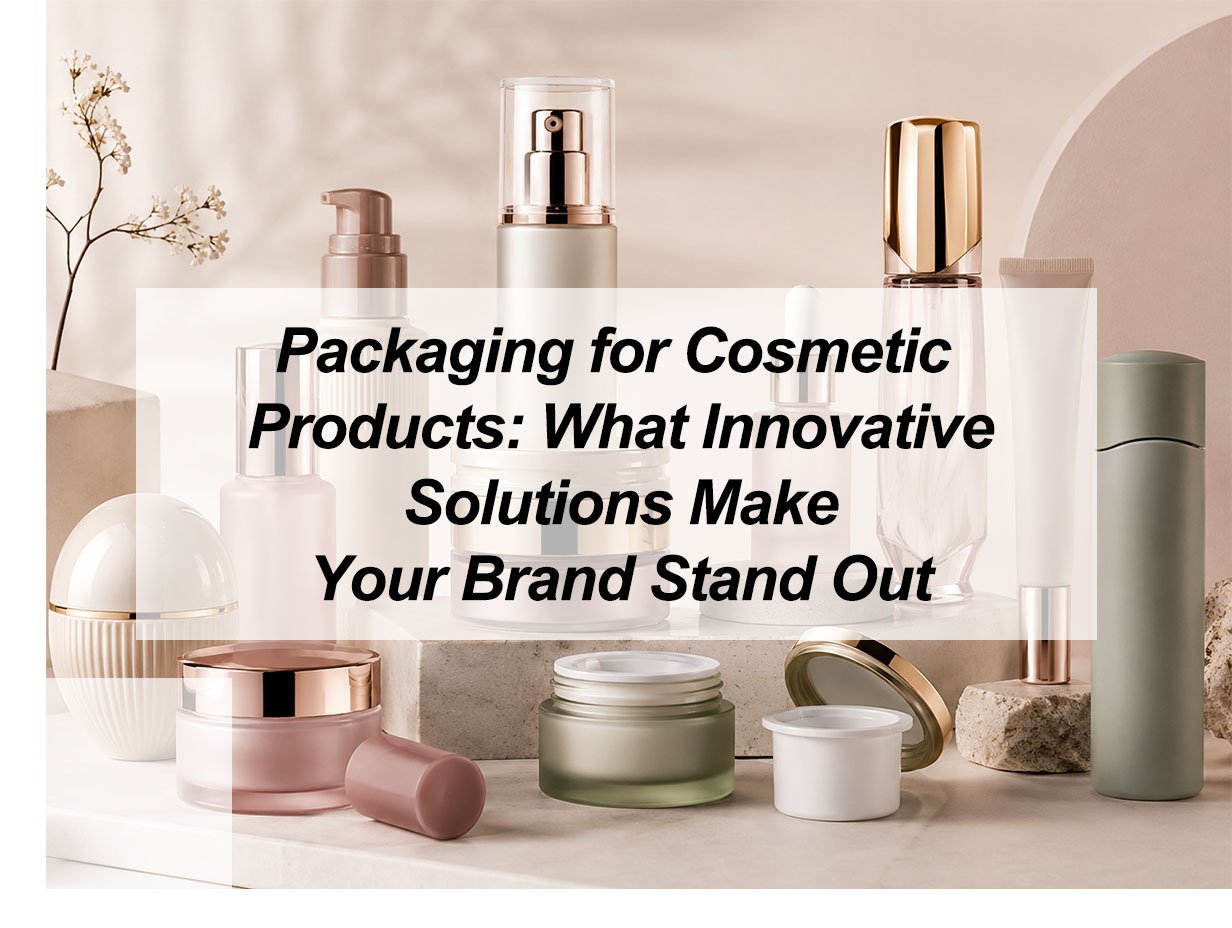
Innovative packaging for cosmetic products helps a brand stand out by combining strong visual identity, practical function, reliable protection, and clear sustainability. The best solutions include airless bottles, refillable systems, mono-material packs, premium finishes, smart labels, and custom shapes that match the product, channel, and target buyer.
I always treat cosmetic packaging as a silent sales person. It must attract attention, explain value, protect the formula, and make the buyer feel safe. A beautiful package can create interest. A functional package can build trust. A reliable package can support repeat orders, smoother logistics, and better brand growth.
Why Is Cosmetic Packaging So Important for Brand Success?
A beauty product may have a strong formula, but customers usually see the packaging first. That first contact shapes trust before the cap is opened.
Cosmetic packaging is important because it protects the formula, communicates brand positioning, improves shelf appeal, and supports the user experience. It also affects logistics, labeling, compliance, and repeat purchase. For beauty brands, packaging is not an afterthought. It is part of the product value.
Packaging Creates the First Brand Signal
I see packaging as the first promise a cosmetic brand makes. A heavy cream jar suggests richness. A slim lip gloss tube suggests fashion and portability. A soft-touch lotion bottle suggests comfort. A clear airless pump suggests hygiene and control. Customers read these signals fast, often without thinking.
Good cosmetic packaging design should answer three simple questions:
| Packaging Question | What the Customer Feels |
|---|---|
| Does it look trustworthy? | The product feels safe and well made. |
| Does it match the price? | The product feels worth buying. |
| Is it easy to use? | The brand feels thoughtful and professional. |
Packaging also helps buyers compare products in a crowded market. A skincare bottle, lipstick tube, mascara tube, eyeshadow case, or cream jar must be easy to recognize. It must also be easy to remember. If every brand uses the same shape, the same beige color, and the same basic label, the product becomes invisible.
Protection Is Part of Brand Value
Cosmetic packaging must also protect the formula. A serum may need an airless bottle to reduce contact with air. A cream may need a strong jar with a good inner seal. A lip gloss tube needs a clean wiper and tight closure. An eyeliner tube needs smooth application control. These details are not small. They decide whether customers enjoy the product or complain about leakage, drying, or mess.
For B2B buyers, packaging is even more important. A package must survive filling, transport, storage, display, and daily use. If the bottle leaks during shipping, the brand loses money. If the cap scratches too easily, the product looks cheap. If the pump fails, the formula cannot perform. That is why smart brands review structure, material, decoration, and quality control before placing a wholesale cosmetic packaging order.
What Innovative Packaging Materials and Formats Are Changing Cosmetics?
Innovation does not always mean a strange shape or expensive mold. Real innovation often means better materials, better user experience, and better production logic.
The most useful cosmetic packaging innovations include airless systems, refillable formats, mono-material structures, aluminum components, PCR plastic, glass, smart QR labels, tactile finishes, and lightweight luxury designs. These solutions help brands balance beauty, function, sustainability, and cost.
Airless Packaging Supports Hygiene and Formula Protection
Airless bottles are popular in skincare because they reduce unnecessary contact between the formula and outside air. I prefer them for serums, lotions, eye creams, and higher-value products that need controlled dispensing. They also give the customer a cleaner experience. One press gives a more measured amount. The bottle looks neat on a bathroom counter. The user does not need to dip fingers into the formula.
Airless packaging is not always the cheapest choice. It has more parts than a simple jar or tube. It may need better testing. But when the formula is sensitive or the price point is higher, the extra value can be clear.
Refillable Packaging Needs the Right Product
Refillable cosmetic packaging can look smart and responsible. It can also fail when brands use it without a real plan. A refill system works best when customers love the product enough to buy it again. This is why refillable packaging is stronger for hero creams, popular cleansers, signature fragrances, and daily-use products.
| Format | Best Use | Key Risk |
|---|---|---|
| Refillable jar | Premium cream | Refill may feel less luxurious |
| Refillable stick | Lipstick, balm, deodorant | Mechanism must feel smooth |
| Refill pouch | Cleanser, body lotion | Material compatibility matters |
| Refillable compact | Cushion, powder, eyeshadow | Insert fit must be precise |
I do not suggest using refillable packaging only as a marketing claim. The refill must be lighter, easy to buy, easy to replace, and clearly cheaper or more valuable for the customer. If the refill is almost the same size, same material, and same price as the original pack, customers may not trust the sustainability story.
Smart Packaging Adds a Digital Layer
QR codes, NFC tags, and digital labels can help brands explain product use, ingredients, authentication, recycling instructions, and brand stories. This is useful for beauty brands that sell across countries. A small package may not have enough label space, but a smart label can connect customers to more information.
Smart packaging should still look clean. I would not cover a luxury bottle with too many marks. A small QR code on the carton, base label, or side panel is usually enough. The goal is to add trust, not visual noise.
How Can Sustainable Cosmetic Packaging Look Premium Without Greenwashing?
Many brands want sustainable packaging, but customers are more careful now. They want clear actions, not vague claims.
Sustainable cosmetic packaging can look premium when brands use specific material choices, simple structures, lighter components, refillable systems, recyclable mono-materials, and honest labeling. It should not rely on broad words like “eco-friendly” unless the package design, material, and recycling path support the claim.
Premium Does Not Always Mean Heavy
In the past, many brands used heavy packaging to show luxury. A thick glass jar, metalized cap, and large carton could make a product feel expensive. But the meaning of premium packaging is changing. Today, premium can also mean smart, minimal, easy to recycle, and well engineered.
I often look at premium packaging through four layers:
| Layer | Premium Detail |
|---|---|
| Shape | Balanced proportion, stable base, comfortable grip |
| Surface | Matte finish, soft touch, clean gloss, controlled texture |
| Decoration | Hot stamping, silk screen printing, gradient color, logo precision |
| Use | Smooth pump, tight cap, clean dispensing, no leakage |
A simple lotion bottle can feel premium if the color is right, the pump is stable, the logo is sharp, and the surface has a soft feel. A cream jar can feel modern if it uses a clear refill insert, strong sealing, and clean typography. A lipstick tube can feel high-end if the opening sound, rotation feel, and cap fit are controlled.
Sustainability Should Be Specific
A brand should explain what is sustainable about the packaging. Is it made with PCR plastic? Is it refillable? Is it lighter than the old version? Is it recyclable in the target market? Is it mono-material? Is the carton FSC-certified? Is the decoration easy to separate?
Vague sustainability claims create risk. Buyers may ask for proof. Retailers may ask for documents. Some markets may require more accurate labeling. This is why I prefer clear statements such as:
- “Made with PCR PET.”
- “Designed with a removable refill cup.”
- “Mono-material PP structure.”
- “Reduced bottle weight compared with previous packaging.”
- “Carton made with responsibly sourced paper.”
These statements are easier to support than broad claims. They also help customers understand the value. Good sustainable cosmetic packaging should make the buyer feel confident, not confused.
Material Choice Must Match the Formula
A sustainable material is not useful if it damages the formula. Some formulas need stronger barriers. Some active ingredients are sensitive to light. Some oils may react with weak materials. Some refill pouches may not work with aggressive ingredients. This is why packaging compatibility testing is important.
I would never choose packaging only because it looks good in a trend report. I would first check the formula, filling process, storage condition, shipping route, and target market. Then I would choose the material and structure. This approach protects both the product and the brand promise.
My Insights: How Do You Choose the Right Cosmetic Packaging Supplier for Scale
A good supplier can help a brand move faster. A poor supplier can cause delays, quality problems, and lost selling seasons.
To choose the right cosmetic packaging supplier, brands should review product range, mold capability, quality control, decoration options, MOQ, sample process, lead time, certificate reliability, communication speed, and export experience. The best supplier supports both first orders and repeat production.
Look Beyond the Unit Price
Unit price matters. But it should not be the only decision point. A cheap lipstick tube becomes expensive if the cap falls off. A low-cost cream jar becomes risky if the inner seal leaks. A low quote becomes useless if the supplier cannot deliver on time.
When I compare cosmetic packaging suppliers, I look at the full cost:
| Cost Area | What to Check |
|---|---|
| Product cost | Unit price, mold fee, decoration fee |
| Quality cost | Defect rate, inspection method, tolerance control |
| Time cost | Sample time, mass production time, shipping time |
| Communication cost | Response speed, technical clarity, problem solving |
| Risk cost | Certificate accuracy, material consistency, packaging damage |
A reliable supplier should give clear answers. The supplier should explain material options, decoration limits, MOQ, lead time, and testing needs. If the supplier only says “yes” to every request, I become careful. Good packaging production has real limits. A professional supplier should explain those limits early.
Match Packaging to the Brand Stage
A new beauty brand may not need a fully custom mold at the beginning. Stock packaging with custom color, logo, label, and carton can still look strong. This helps control MOQ and test the market. After the product sells well, the brand can upgrade to a custom bottle, custom cap, refill system, or exclusive component.
A growing brand may need more stable production, faster reorders, and better decoration consistency. At this stage, the supplier should support color matching, sample approval, production records, pre-shipment inspection, and backup component planning.
A mature brand may need exclusive molds, regional compliance support, more sustainable material options, and stronger supply chain planning. At this level, the packaging supplier becomes a long-term partner, not only a seller.
Ask the Right Questions Before Ordering
Before confirming a wholesale cosmetic packaging order, I would ask these questions:
- What material is used for each component?
- Can the supplier provide samples before mass production?
- What decoration methods are available?
- What is the MOQ for stock color, custom color, and custom logo?
- What tests are done for leakage, cap fit, pump function, and surface scratches?
- What is the realistic production lead time?
- Can the supplier support repeat orders with stable color and quality?
- What certificates or documents can be provided?
- How will the products be packed for export shipping?
These questions reduce misunderstandings. They also help buyers compare suppliers in a fair way. A supplier with a slightly higher price may be the better choice if it reduces defects, delays, and communication problems.
Packaging Should Be Designed for Reorder
Many brands focus only on the launch order. I think this is risky. The first order is only the beginning. The real test is the second and third order. Can the supplier make the same color again? Can the same pump be available? Can the same carton fit the same bottle? Can the same logo position be repeated?
Good packaging for cosmetic products should be designed for scale. It should be attractive for customers, practical for filling factories, safe for logistics, and stable for reorders. That is how packaging becomes a real brand asset.
Conclusion
Innovative cosmetic packaging stands out when beauty, function, sustainability, quality, and supply reliability work together. The package must sell, protect, and scale.