In the world of beauty, have you ever wondered what makes up the packaging that defines your favorite products?
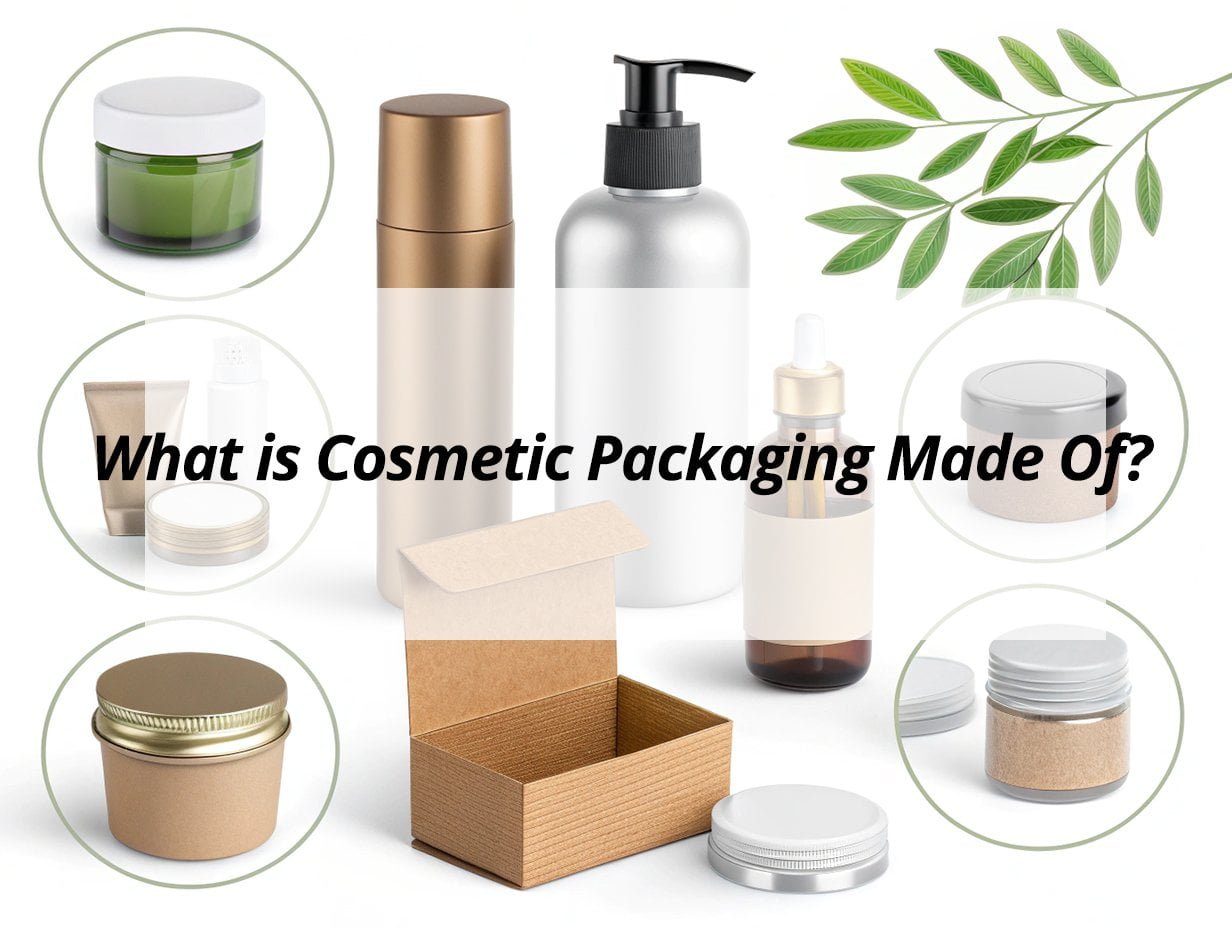
Cosmetic packaging is typically made from materials such as glass, plastic, and paper to protect and present beauty products effectively. These materials serve essential purposes, ensuring durability, safety, and aesthetic appeal, while also considering environmental impact.
Understanding the ingredients of cosmetic packaging can help brands make informed choices that align with sustainability and consumer desires.
What is makeup packaging made of?
Ever picked up your favorite lipstick and wondered about its packaging composition?
Makeup packaging is primarily constructed from materials like acrylics, polycarbonates, and metals. These materials provide strength, visual appeal, and protection, essential for maintaining the product's integrity and quality amidst handling and usage.
Exploring makeup packaging materials reveals the importance of choosing durable and attractive options to ensure satisfied customers.
Makeup Packaging
When it comes to understanding makeup packaging, breaking down its components can offer deep insights.
Common Materials Used
-
Acrylics and Polycarbonates1: Known for clarity and strength, these materials are commonly used for transparent containers. They offer a modern and chic look that appeals to a broad demographic.
-
Metals: Used often for premium products, providing a tactile and visual experience that resonates with luxury consumers.
Functional and Aesthetic Balance
Makeup packaging must serve various roles—from protection to enhancing brand image. Key considerations include:
- Durability: Protects the product from environmental factors.
- Aesthetic Appeal2: Aligns with brand identity and attracts consumers.
- Cost-Efficiency: Balances quality with production costs.
| Material Type | Characteristics |
|---|---|
| Acrylics | Clarity, rigidity |
| Polycarbonates | Strength, versatility |
| Metals | Premium finish, sturdiness |
Understanding these components, beauty packaging effectively attracts customers and protects the product.
Does FDA regulate cosmetic packaging?
Curious about the safety and standards behind cosmetic packaging regulations?
The FDA does regulate aspects related to the materials used in cosmetic packaging, ensuring they are safe and do not contaminate the product. However, detailed packaging design and aesthetic aspects fall outside direct FDA regulation.
Knowing how the FDA regulates packaging can guide brands like cosmetic bottles packaging suppliers toward compliance and ensure consumer safety.
FDA Regulation on Packaging
Unpacking the FDA's role in packaging regulation helps brands navigate safely and responsibly.
FDA's Focus Areas
-
Material Safety: Ensures that packaging materials do not leach harmful chemicals into products, safeguarding consumer health.
-
Labeling Standards: Requires truthful and clear labels so consumers understand what they are purchasing and using.
Beyond FDA's Scope
-
Design Principles: While the FDA ensures safety, aesthetic choices like color, shape, and branding are left to the companies, allowing creative freedom.
-
Innovation Freedom: Brands enjoy the liberty to introduce innovative packaging designs as long as safety guidelines are met.
| Regulation Aspect | FDA's Role |
|---|---|
| Material Composition | Monitors safety |
| Labeling Requirements | Enforces clarity and honesty |
Aligning with FDA regulations ensures both product safety and maintains consumer trust in cosmetic offerings.
What material is commonly used for packaging?
Considering the materials in cosmetic packaging, which ones stand out most often?
Plastic remains the most common material used for cosmetic packaging due to its cost-effectiveness, versatility, and ease of production. It ensures durability and design flexibility, appealing to varied consumer needs.
Recognizing the rationale behind plastic's prevalence can guide brands in aligning packaging choices with consumer expectations.
Common Packaging Materials
Exploring the commonality of materials used in cosmetic packaging offers insight into practical decisions for brands.
Reasons for Plastic Dominance
-
Cost Efficiency: Plastic is economical to produce and offers a high degree of design flexibility, making it attractive for mass-market products.
-
Versatility: Provides endless possibilities in terms of shapes, colors, and sizes, meeting the demands of diverse markets.
Emerging Alternatives
Brands are increasingly considering alternatives as environmental awareness grows:
-
Glass and Metal3: Preferred for high-end products, offering a sense of luxury and perceived value.
-
Biodegradable Options4: As eco-conscious consumers rise, materials like bioplastics are gaining attention for their reduced environmental impact.
| Material Choice | Reason for Selection |
|---|---|
| Plastic | Economic, versatile |
| Glass | Premium, ecological appeal |
| Metal | Luxury aura, durability |
Brands must weigh practicality and consumer preferences against emerging sustainability trends in packaging materials.
What percentage of plastic waste is from packaging?
Have you considered how much packaging contributes to global plastic waste?
Packaging constitutes a substantial portion of plastic waste, accounting for about 40% of global plastic consumption. This highlights the urgent need for innovative solutions and sustainable practices within the industry.
Understanding the impact of packaging waste aids efforts to develop more sustainable practices and reduce environmental footprints.
Plastic Waste from Packaging
Examining the waste produced by packaging materials provides insight into sustainability priorities.
Impact and Challenges
-
Global Contribution: Packaging waste is a significant contributor to plastic pollution, sparking environmental concerns worldwide.
-
Environmental Toll: Waste from packaging leads to landfill overuse and ocean pollution, affecting wildlife and ecosystems.
Paths to Improvement
To address these challenges, the industry and consumers must focus on:
-
Recycling Initiatives5: Encourage recycling to reduce the environmental footprint by turning waste back into usable products.
-
Material Innovation6: Advancing technologies to develop more sustainable alternatives such as compostable materials and bioplastics.
-
Policy Development7: Governments and industries must collaborate on creating and promoting sustainable packaging policies.
| Waste Factor | Implications |
|---|---|
| High Percentage | Calls for urgent remedy |
| Environmental Strain | Long-lasting ecological impact |
By understanding the scale of waste, businesses can implement effective measures toward sustainability.
My insights: Decoding the Materials of Cosmetic Packaging
Curious about what's in your cosmetic packaging? Discover the diverse materials shaping eco-friendly and durable beauty solutions.
Cosmetic packaging is crafted from materials like plastics, glass, metals, and sustainable options such as bioplastics and paperboard. These materials are chosen for durability, aesthetics, and eco-friendly purposes.
Exploring Material Choices in Sustainable Cosmetic Packaging
Cosmetic packaging evolves with diverse materials catering to sustainability, functionality, and design:
Plastics:
Widely used for affordability and versatility, plastics like PE, PP, and PET offer flexibility, chemical resistance, and recyclability. Bio-based options (e.g., PLA) introduce eco-friendly alternatives.
Glass:
Preferred for its premium feel and chemical inertness, glass is ideal for products requiring high protection, despite its fragility and cost.
Metals:
Aluminum is favored for lightweight, recyclable qualities, seen in lipstick tubes and compacts, offering durability and eco-friendliness.
Sustainable Materials:
Innovative materials like bamboo, cork, and bioplastics appeal to eco-conscious consumers, providing biodegradability and natural aesthetics.
| Material Type | Characteristics | Applications |
|---|---|---|
| Plastics | Versatile, recyclable, durable | Bottles, tubes, jars |
| Glass | Premium, inert, recyclable | Luxury items, chemical-sensitive products |
| Metals | Lightweight, sturdy, recyclable | Lipsticks, tubes, compacts |
| Sustainable Options | Biodegradable, natural aesthetics | Eco-friendly branding |
Embracing diverse materials in beauty packaging meets consumer demands for sustainability, functionality, and innovative design, ensuring both product integrity and environmental consciousness.
Conclusion
Cosmetic packaging is made from diverse materials balancing safety, aesthetics, and sustainability. Brands like cosmetic bottles packaging suppliers are encouraged to innovate toward more eco-friendly solutions.
-
Explore how these materials enhance clarity and strength in makeup packaging, appealing to modern consumers. ↩
-
Understand how visual design influences consumer attraction and brand identity. ↩
-
Learn about the premium feel and ecological benefits of glass and metal packaging. ↩
-
Discover how eco-friendly materials like bioplastics are shaping sustainable beauty solutions. ↩
-
Explore how recycling can reduce environmental footprints and promote sustainability in the beauty industry. ↩
-
Learn about advancements in packaging technology that prioritize sustainability and eco-friendliness. ↩
-
Discover the role of government and industry collaboration in promoting sustainable packaging practices. ↩