In the evolving cosmetic industry, sustainability is taking center stage. Have you noticed the shift towards eco-friendly practices?
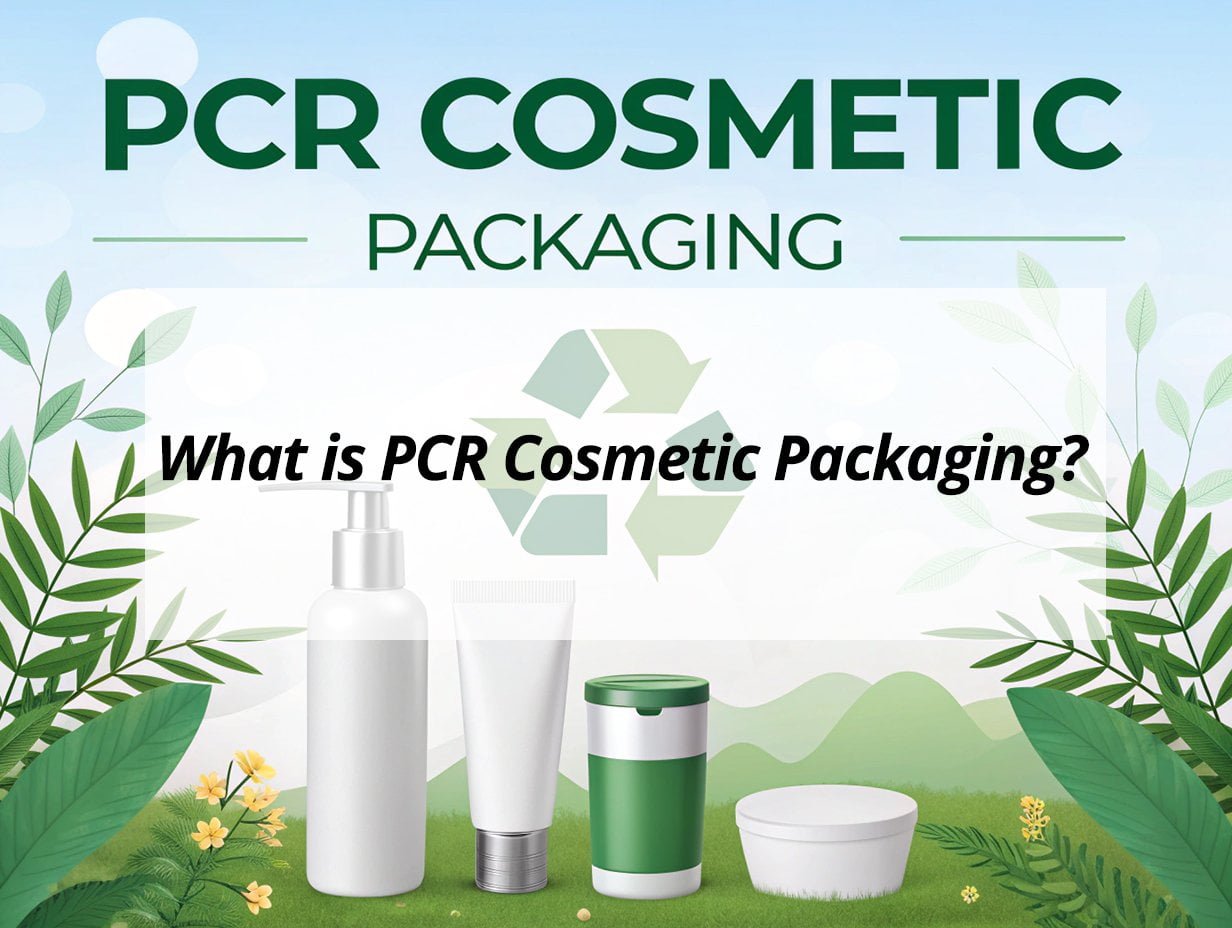
PCR stands for Post-Consumer Recycled material used in cosmetic packaging, transforming waste into new products. It reduces plastic pollution, conserves resources, and supports sustainability, benefitting environmentally conscious brands and consumers committed to green practices.
Understanding PCR provides insights into how brands are innovating their packaging solutions. Dive in to learn how PCR is transforming the beauty sector.
What is PCR in cosmetics?
The cosmetic industry is embracing green practices at an accelerating pace. What role does PCR play in this change?
PCR in cosmetics is about using recycled materials for packaging1, minimizing environmental impact. It decreases waste, reduces reliance on virgin materials, and contributes to a circular economy2, making brands more sustainable.
This shift towards PCR is not just beneficial for the planet but also enhances consumer trust3 and engagement with environmentally responsible brands4.
PCR in Cosmetics
The implications of PCR in cosmetics go beyond surface-level benefits. Let’s explore its broader impacts.
Environmental Benefits
-
Reduced Waste: By utilizing materials that have been recycled, PCR limits the accumulation of waste in landfills.
-
Resource Conservation: Encourages the use of existing materials, lessening the demand for new raw plastic production.
-
Lifecycle Approach: Prioritizes reuse and recycling over disposal, fostering lasting environmental benefits.
-
Energy Efficiency: Recycling saves significant energy compared to creating new plastics.
| Impact | How It Contributes |
|---|---|
| Lesser Landfill Use | Reprocesses consumer waste |
| Conservation of Energy | Lowers energy usage in production |
Economic and Brand Impact
- Cost-Effectiveness: While initial costs may be higher, long-term savings are achieved through reduced material expenses and energy use.
- Consumer Appeal: As more consumers demand environmentally conscious brands, PCR helps meet these expectations.
Brands incorporating PCR are poised to lead in sustainability efforts, benefiting both the planet and their market position.
What is PCR plastic packaging?
The prevalence of plastic waste is undeniable. How can PCR plastic packaging mitigate this issue?
PCR plastic packaging repurposes post-consumer waste into new products, minimizing environmental damage. It represents a step towards sustainable practices that reduce resource use and waste.
Exploring how PCR plastic packaging functions can reveal its profound role in reducing plastic waste throughout various industries.
PCR Plastic Packaging
Understanding the workings behind PCR plastic enhances its value proposition for sustainability.
Process of Creating PCR Plastic
- Collection and Sorting: Post-consumer plastics are collected and sorted for recycling.
- Cleaning and Processing: Plastics are cleaned, shredded, and melted to form new packaging materials.
- Reshaping and Refining: The recycled plastic is molded into fresh packaging forms.
Comparisons and Advantages
- Sustainability: PCR reduces the need for extracting new resources and contributes to lowering carbon emissions.
- Strength and Reliability: Maintains comparable durability and design flexibility to traditional plastics.
| Feature | PCR Plastic | Traditional Plastic |
|---|---|---|
| Environmental Impact | Lower due to recycling | High due to new material usage |
| Cost Implications | Potential savings over time | Generally higher manufacturing costs |
Using PCR5 in packaging not only delivers environmental benefits but also aligns businesses with modern regulatory and consumer demands.
What does PCR stand for in packaging?
With sustainable practices on the rise, familiarity with terms like PCR is crucial. What does PCR specifically denote in packaging?
In the realm of packaging, PCR signifies Post-Consumer Recycled materials. It involves using recycled consumer products to create new packaging, thereby conserving resources and enhancing environmental stewardship.
Knowing what PCR encompasses allows consumers and brands to make informed choices that support broader ecological goals.
PCR in Packaging
Delving into PCR's role within packaging unveils its vital contributions to sustainable practices.
Core Elements and Processes
- Sourcing of Materials: Focuses on capturing and reusing materials at the end of their lifecycle.
- Industry Regulations: Must align with standards ensuring safety and quality, particularly in cosmetics.
Market Benefits and Consumer Influence
-
Distinct Branding: Companies using PCR materials benefit from differentiated marketing opportunities.
-
Eco-Conscious Engagement: Engagement with environmentally savvy consumers builds stronger brand loyalty.
-
Innovation Drive: Encourages the adoption of new technologies and strategies in sustainability.
| Element | Advantage |
|---|---|
| Resource Use | Promotes recycled materials |
| Consumer Confidence | Enhances trust in brand values |
The effective use of PCR in packaging strengthens connections between companies and their environmentally motivated customer base.
Is PCR plastic safe to use?
Ensuring the safety of packaging materials is essential. Is PCR plastic a secure choice for consumers?
Indeed, PCR plastic is deemed safe for consumer use after rigorous quality and safety tests. It meets necessary regulatory standards, making it suitable for packaging even in sensitive sectors like cosmetics.
Assessing the safety protocols behind PCR plastic ensures it’s a trustworthy alternative for brand adoption.
Safety of PCR Plastic
Exploring safety considerations surrounding PCR plastic reassures its viability and consumer safety.
Safety Standards and Testing
- Compliance with Regulations: Aligns with food-grade and cosmetic standards to ensure no harmful residues.
- Quality Assurance Processes: Regular testing ensures consistent quality and safety of recycled materials.
Consumer Assurance and Transparency
- Detailed Labeling: Brands inform consumers about the materials and processes used in their packaging.
- Commitment to Improvement: Ongoing development in recycling technology enhances PCR safety and appeal.
| Assurance Methodology | Description |
|---|---|
| Regulatory Standards | Ensures compliance with safety |
| Quality Testing | Maintains product integrity |
With these safeguards, consumers can confidently choose PCR-packaged products knowing they adhere to stringent safety standards.
My insights: Understanding PCR Cosmetic Packaging
Concerned about plastic waste in cosmetics? Discover how PCR packaging transforms waste into sustainable beauty solutions.
PCR cosmetic packaging utilizes Post-Consumer Recycled materials to create new products, reducing plastic waste and environmental impact. It aligns with eco-friendly consumer preferences and enhances brand reputation through sustainable practices.
The Role of PCR Packaging in Cosmetic Industry Sustainability
PCR (Post-Consumer Recycled) packaging offers numerous benefits for the cosmetic industry:
Environmental Impact:
PCR materials divert waste from landfills, decreasing the need for new plastic production and supporting a circular economy.
Consumer Demand and Brand Perception:
Eco-friendly packaging appeals to environmentally conscious consumers, enhancing brand loyalty and perception.
Material Integrity and Versatility:
PCR packaging maintains durability and structural integrity similar to virgin plastics, suitable for diverse cosmetic packaging applications like bottles and jars.
Quality Control and Sustainability:
Stringent quality controls ensure PCR materials meet high industry standards, promoting reliable and sustainable packaging solutions.
| Attribute | Benefit | Application |
|---|---|---|
| Environmental Impact | Reduces plastic waste | Supports circular economy |
| Consumer Demand and Loyalty | Appeals to eco-conscious consumers | Builds brand trust |
| Material Integrity | Ensures durability | Suitable for various packaging types |
| Quality Control | Maintains high standards | Reliable sustainability |
By embracing PCR packaging, cosmetic brands advance sustainability, meet consumer desires, and contribute positively to the environment.
Conclusion
PCR cosmetic packaging represents a pivotal move towards sustainability in the beauty industry, providing environmental and economic benefits.
-
Discover the environmental advantages of using recycled materials in cosmetic packaging. ↩
-
Explore how a circular economy can transform the cosmetic industry and promote sustainability. ↩
-
Understand the connection between sustainability practices and consumer trust in brands. ↩
-
Find out what defines environmentally responsible brands and why they matter to consumers. ↩
-
Understanding PCR is essential for grasping how cosmetics can be more sustainable and eco-friendly. ↩